

ABOUT AiARTHRITIS DISEASES
Systemic Lupus Erythematosus (SLE)
How to pronounce it: Lupus - loo·puhs, Erythematosus - ery-the-mato-sus
Reviewed by Leila P.L Valet, CHES
Lupus is a disease where the immune system attacks healthy parts of your body, like joints, skin, and organs. It can be unpredictable, with periods where it gets worse (flares) and times when it gets better.
Want something to keep on hand? The one-page fact sheet covers the basics of lupus on a single page you can hand to someone

KEY TAKEAWAYS
- Share what you're living with lupus and AiArthritis turns it into real evidence for change
- Lupus is known as "the great intimidator" . It's symptoms mimic so many other diseases that diagnosing often takes years.
- Point Three
WHERE ARE YOU WITH THIS DISEASE?
This is paragraph text. Click it or hit the Manage Text button to change the font, color, size, format, and more. To set up site-wide paragraph and title styles, go to Site Theme.
What are the distinctive symptoms of Lupus?
- Sensitivity to sunlight or fluorescent light causing rash or lesions
- Hair loss or thinning
- Depression and anxiety
- Raynaud’s phenomenon: Fingers and toes that turn white or blue when exposed to cold or during stressful periods
- Butterfly-shaped rash over the cheeks: referred to as malar rash
- Mouth sores
- Lung or heart inflammation
- Kidney problems: Nephritis
- Neurologic problems: seizures, strokes or psychosis (a mental health problem), confusion
Think you might have lupus? These are important symptoms to keep track of and bring up to your doctor.
What are the common symptoms of AiArthritis diseases?
These symptoms often present in all autoimmune and autoinflammatory arthritis diseases.

Fatigue

Brain Fog

Joint Pain
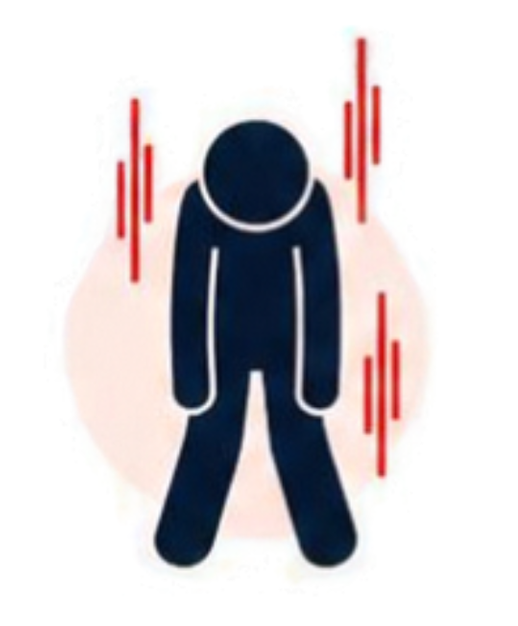
Joint Stiffness

Lowgrade Fevers

Flu-like
How is Lupus diagnosed?
There’s no single test that can confirm a Systemic Lupus Erythematosus (SLE) diagnosis, so rheumatologists rely on a combination of physical exams, blood tests, and sometimes biopsies (skin or kidney), along with a family history of autoimmune disease.
They check for arthritis in multiple joints lasting over 6 weeks and may look for swelling or redness, though these aren’t required for diagnosis. They also consider common AiArthritis symptoms to rule out other conditions.
Blood tests are crucial for diagnosing lupus. Typical markers include
- low blood cell counts (anemia, low white blood cells, or platelets)
- a positive ANA
- specific antibodies like anti-dsDNA, anti-Sm, or antiphospholipid
These abnormal blood results are often required for lupus diagnosis.
Doctors may also use a points system from the American College of Rheumatology (ACR) and European Alliance of Associations for Rheumatology (EULAR) to support their diagnosis.
Lupus Treatment Options

Treatments are tailored to each individual's disease, but visit our Treatment Options page to learn more about the different types of treatments that are used for Lupus.