Cannabis and AiArthritis Diseases: What We Heard in a Medical Debate at EULAR 2025
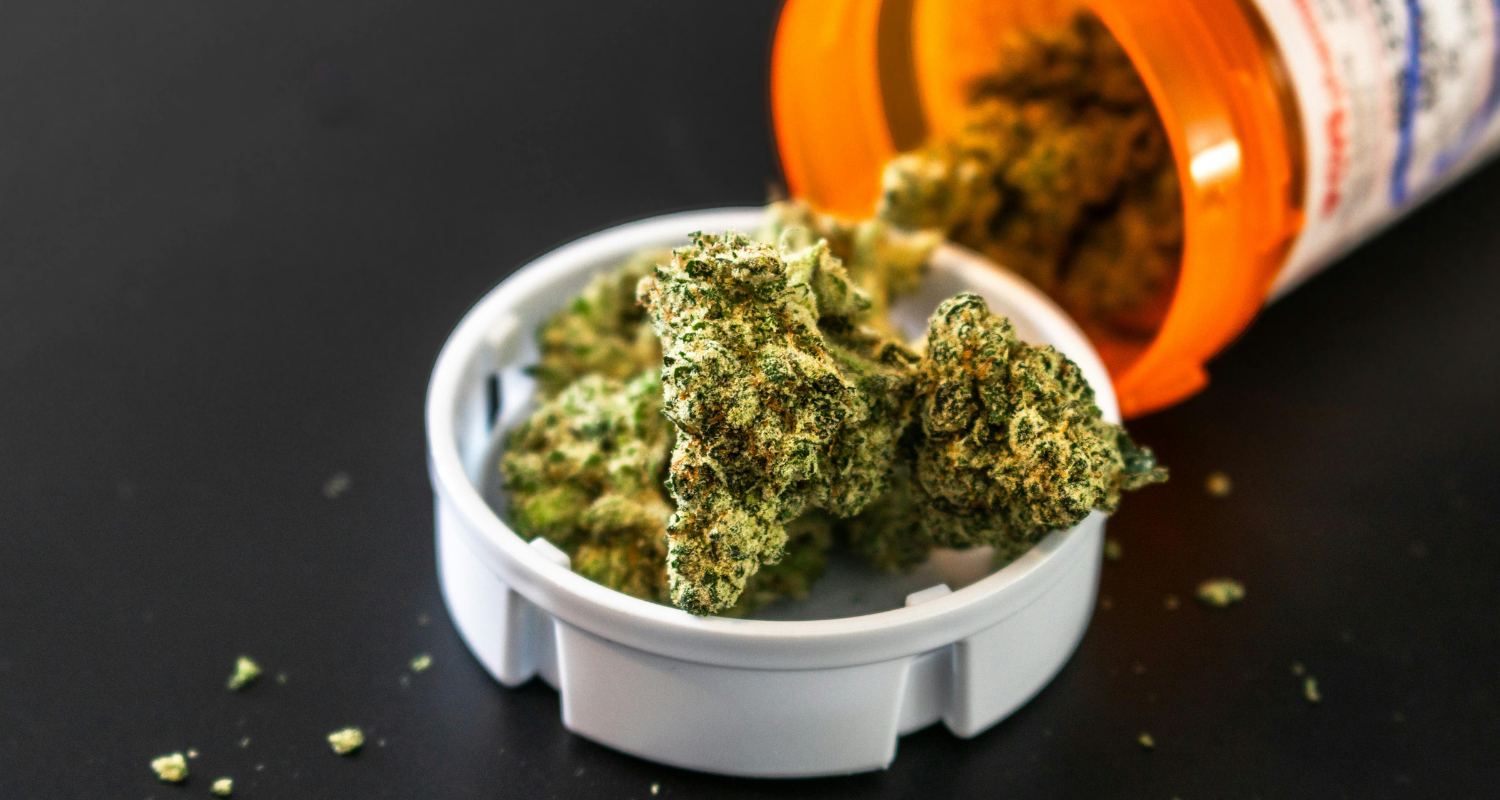
Cannabis comes up a lot in chronic illness conversations, especially when pain, sleep, and stress are part of everyday life. At EULAR 2025 in Barcelona, Eileen attended a debate session where two physicians debated, “Should Doctors Prescribe Cannabis for Autoimmune Diseases?”. One presented the “No” case and one presented the “Yes” case. Their job was not to share personal opinions, but to review the evidence and argue their assigned position.
The audience was made up of healthcare providers, and they voted before and after the debate on two questions:
- Do you recommend or prescribe cannabis for patients?
- Do you think cannabis should be legalized?
Before the debate, about 35.4% said they recommend cannabis and 64.86% said they do not. On legalization, about 68.97% supported keeping it legal and 31.03% did not. After the debate, support for prescribing rose to about 40%, while support for legalization dipped slightly to about 66.7%, with “no” rising to about 33.3%.
So even in a room of clinicians, the conversation was still complicated.
In this Go With Us! video from EULAR 2025, Eileen Davidson breaks down one of the most talked-about sessions of the conference—a debate on whether cannabis should be prescribed for rheumatic and autoimmune diseases like RA, fibromyalgia, and scleroderma.
The “No” side: concerns about harm, dosing, and long-term risks
The physician presenting the “No” argument started with a point many people agree on: cannabis has been used historically for a long time. The concern is what happens when use becomes more widespread, especially with modern high-THC products and earlier exposure.
A few major themes came up:
1) Adolescents and brain development
The presenter emphasized that early cannabis use in adolescence can affect brain development, particularly the frontal lobe. He linked this to concerns about thinking, decision-making, and potential negative impacts on IQ.
2) Mixed evidence for chronic pain relief
He highlighted systematic review data suggesting that cannabis does not significantly reduce pain when added to opioids. He argued that evidence is limited or inconsistent for chronic pain overall, and raised the possibility that long-term use might actually increase pain sensitivity for some people.
3) “CBD” products may contain more THC than expected
A practical point that many patients can relate to: some over-the-counter CBD products may contain higher levels of THC than people realize. That matters for anyone trying to avoid feeling intoxicated, anyone who is sensitive to THC, or anyone who must avoid THC for work or legal reasons.
4) Pregnancy risks
The “No” side also raised concerns about cannabis use during pregnancy, including risks like preeclampsia, maternal anemia, and neonatal complications.
5) Mental health risks
This was one of the strongest parts of the “No” argument. The speaker pointed to correlations between cannabis use and mental health conditions like bipolar disorder and schizophrenia, and noted that high-THC products may increase the risk of psychosis in vulnerable individuals. He also mentioned increased ER visits and concerns about heavy use in young adults.
6) Other health concerns
He referenced possible cardiovascular risks (including blood pressure effects and myocardial infarction risk) and raised questions about long-term cancer risk in frequent, long-term users. A consistent message was that we still lack strong long-term data.
In short, the “No” side focused on uncertainty, safety, and the reality that legalization has changed patterns of use.
The “Yes” side: potential symptom relief and a harm-reduction approach
The physician presenting the “Yes” side also began with history, noting that cannabis has been used for centuries across cultures. But his emphasis was on how cannabis is actually used today, and why some patients report meaningful benefits.
Multiple ways to use cannabis
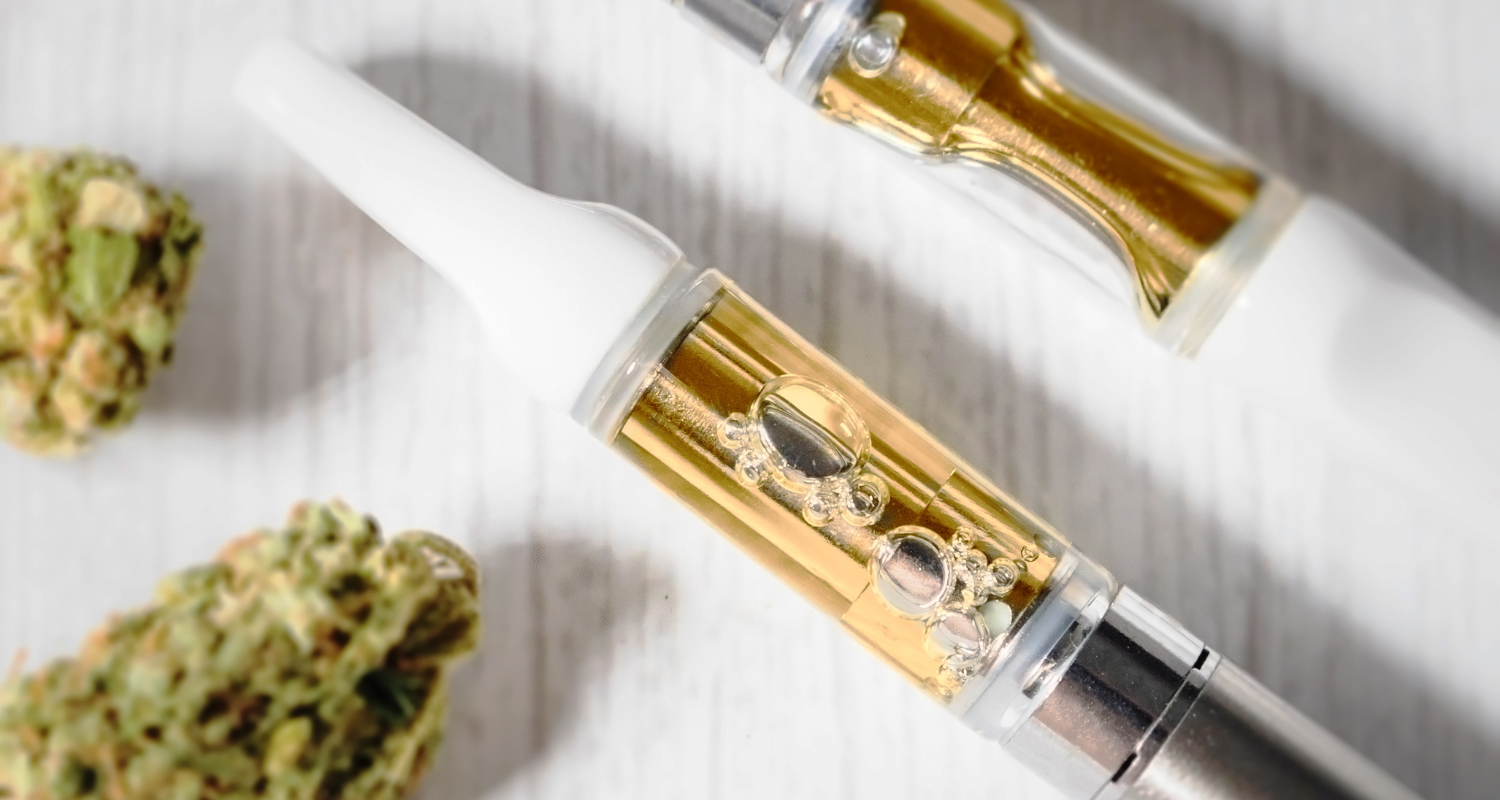
This was an important clarification: cannabis is not only smoked. The presenter discussed different delivery methods, including:
- Vaping or inhalation
- Edibles
- Topicals
- Patches
For some patients, the method matters as much as the product, especially if they are trying to avoid smoke exposure or want more controlled dosing.
Potential benefits for inflammation, pain, and quality of life
The “Yes” side highlighted data suggesting cannabis may help with inflammation and pain management in some cases. He specifically mentioned rheumatic conditions and symptom clusters that are notoriously hard to treat, including:
- Rheumatoid arthritis pain
- Fibromyalgia symptoms
- Scleroderma-related symptom burden
A key theme was not just pain reduction, but improved quality of life. For many patients, the goal is not to erase every symptom. It is to function, sleep, work, parent, and live with fewer daily barriers.
Acknowledging side effects, but comparing risk realistically
The “Yes” presenter did not ignore risks. He noted memory issues, psychosis risk, and addiction potential. But he also cited evidence suggesting addiction risk may be lower than substances like alcohol and opioids, and emphasized the importance of dosing and medical supervision.
His bottom line was familiar to many patients: every treatment has side effects. Cannabis should be discussed like other symptom-management tools, with careful monitoring and shared decision-making.
Why the votes shifted, and what that might mean
After the debate, more providers were willing to prescribe cannabis. This suggests that the “Yes” argument helped some clinicians see why patients use it and where it might fit as a supervised option.
At the same time, support for legalization dropped slightly, likely reflecting concerns raised about ER visits, motor vehicle accidents, and rare but serious events like cannabis-related psychosis. Eileen also pointed out an important media literacy issue: some of the “risk” examples were presented through news headlines, and headlines can be misleading without context like prior mental health history or other contributing factors.

Key takeaways for patients
If you are thinking about cannabis for rheumatic disease symptoms, here are the patient-friendly takeaways from this debate:
- The evidence is mixed, especially for chronic musculoskeletal pain. Some studies do not show strong benefits, while many patients report real-world relief.
- THC and CBD are not the same. Product labeling can be confusing, and some CBD products may include more THC than expected.
- Mental health history matters. If you have a history of psychosis, bipolar disorder, schizophrenia, or strong family history, cannabis may carry higher risk.
- Method and dose matter. Inhalation, edibles, and topicals can feel very different in the body. Supervision helps reduce harm.
- Sleep and stress are part of the pain conversation. If something improves sleep, it may indirectly reduce pain and improve daytime function.
- Shared decision-making is the goal. If you want to use cannabis, the safest path is an honest conversation with a provider who can help you weigh benefits, risks, and monitoring.
A gentle reminder
This information is educational, not medical advice. Cannabis laws and medical access vary by location, and individual risk can depend on age, pregnancy status, heart health, mental health history, and other medications.
If you are considering cannabis, a helpful next step is to bring a few specific questions to your clinician, like:
- What symptoms am I trying to target: pain, sleep, anxiety, stiffness?
- Should I avoid THC given my health history?
- What side effects should I watch for? Are there any side effects that would indicate that I should stop?
- How do we track whether it is helping?
Cannabis is not a simple yes-or-no topic, and this debate reflected that. What matters most is making sure patients have accurate information, realistic expectations, and support to make the safest decision for their body and their life.
Cannabis has come a long way since we last covered it in 2020. With more patients using CBD and medical cannabis to help manage chronic pain, inflammation, anxiety, and sleep issues, it is time for an important update. In this episode, AiArthritis Health Education Manager Leila P. L. Valete is joined by co-hosts and patient advocates Eileen Davidson and Bridget Seritt for a real conversation about what has changed, what we still need to learn, and what patients should know before trying cannabis for autoimmune and autoinflammatory arthritis.