
When Your Medication Takes You for a Walk on the Wild Side
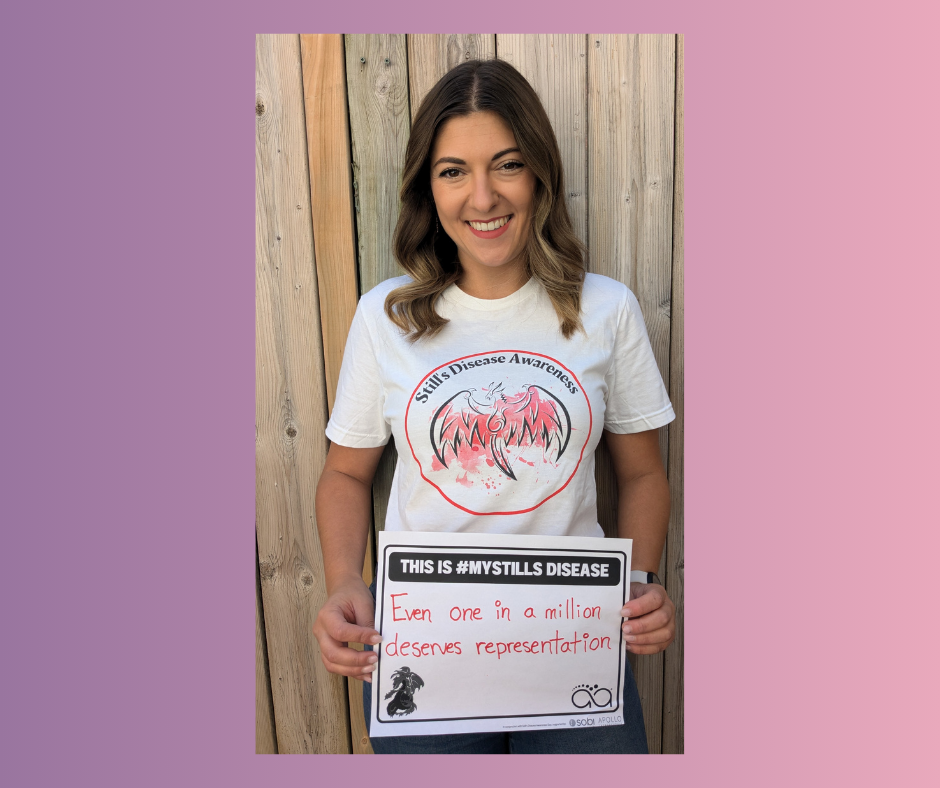
After battling Still’s Disease for over two years and trying countless combinations of medications, my new rheumatologist was alarmed at the state of my condition; predicting the most powerful flare being imminent. In response, he suggested increasing my prednisone dose to 80 mg, a dosage I had never come close to before. Having been on prednisone for several years, I was quite familiar with the unending list of horrible side effects including insomnia, increased appetite, water retention, and moodiness to name a few. By the end of the first week, my flare symptoms greatly subsided and it seemed we had tamed the dragon once and for all.
Within two weeks of increasing the dosage, subtle changes in my mood and demeanor occurred. We attributed the changes to regaining my health and energy as well as the anticipated effects of an increased dose of prednisone.
My birthday was soon approaching and I envisioned a celebration of epic proportions for the return of my health. I became incredibly sensitive to anything anyone would say, potentially lashing out or breaking down over the smallest statement. I went on several shopping sprees with the justification of having my life back; unwilling to listen to the advice of those who cared most for me to slow down.
Getting a good night’s sleep became impossible for me, without the heavy use of sleep aids. It got to the point where a significant number of friends and family members began to note the manic nature of my behavior. In hindsight, during the third week of both being on a high dosage of prednisone followed by its aggressive taper, my behavior became excessive and I began to lose touch with reality.
By the end of the third week, my parents began to worry that this was no longer typical behavior. Finally, a night came in which I did not sleep at all, and I remained incredibly wired into the next day. My closest relatives made the ultimate decision after speaking with my rheumatologist to take me to emergency.
What followed was a long, arduous stay in my local hospital. It started with a one-week stay in a psychiatric assessment unit without visitors, followed by almost two weeks in a psychiatric intensive care unit, ending with another two weeks as an in-patient on a psychiatric floor.
I was diagnosed with corticosteroid-induced psychosis; meaning that the very medication that helped save my life, made me lose my mind. The first week spent in the hospital is entirely blocked from my mind, save some flashbacks that are permanently ingrained in my memory, triggering post-traumatic stress. During my hospital stay, a steady but aggressive taper of prednisone paired with certain antipsychotic and mood-stabilizing medications helped me return to reality. However, despite the quick restoration of my sanity, adjusting to reality was an incredibly drawn-out, difficult, and overwhelming journey.
Several times when I started new medications, my rheumatologist was kind enough to hand me an information pamphlet about the medication, outlining its purpose, potential risks, and side effects. Unfortunately, never once was I informed about the very real risk of corticosteroid-induced psychosis. Had my family been made aware of symptoms to look for, they would have been significantly more proactive in seeking treatment for me.
Early detection of psychosis is key in minimizing the mental trauma experienced by the individual. Looking back at my battle with the Still’s Disease dragon, I could easily say I would gladly endure any of the physical pain several times over if it meant having to never experience the terrifying reality of losing my mind.
By Katelyn Melo
Still's Disease Patient and Volunteer with The International Foundation of Autoimmune and Autoinflammatory Arthritis