Menopause and Rheumatic Diseases: Insights from ACR 2024 on Improving Patient Lives

Menopause can profoundly impact patients with rheumatic diseases, influencing symptoms, treatment outcomes, and overall quality of life. At ACR 2024, a session titled “Transitioning Through Menopause: Implications for Patients with Rheumatic Diseases” shed light on this critical topic.
Here’s how the latest research and insights can improve the lives of patients navigating menopause alongside rheumatic conditions.
Understanding Menopause in the Context of Rheumatic Diseases
Menopause is a natural biological transition, but for patients with rheumatic diseases, it often presents unique challenges. Key symptoms and their impact include:
- Sleep Disturbances: A top concern for many, sleep issues exacerbate fatigue and can worsen disease management.
- Mood Swings and Depression: Hormonal changes can amplify psychological distress, compounding the emotional toll of chronic illness.
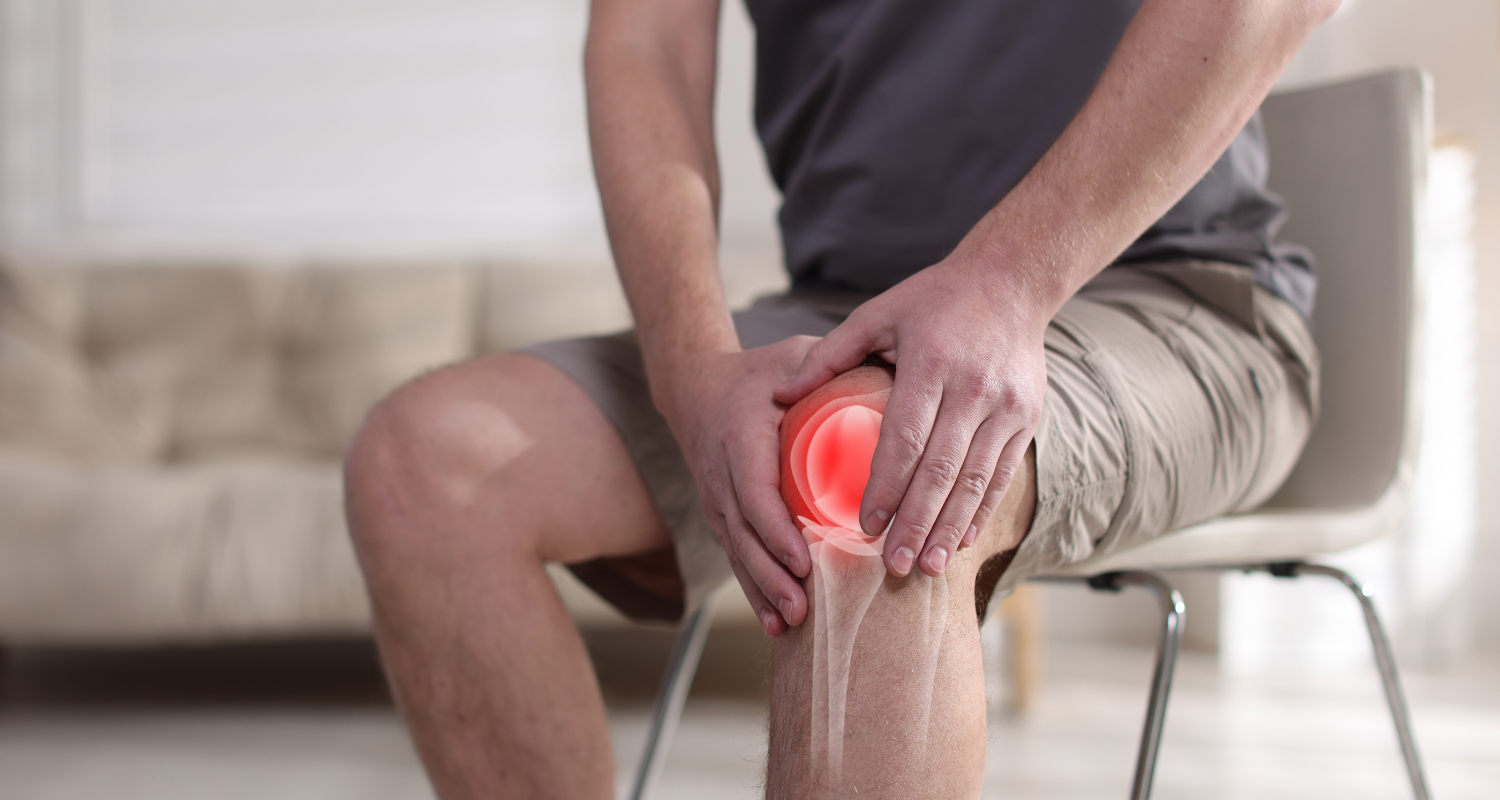
- Joint Pain: Frequently mistaken for flares, joint pain linked to menopause can complicate diagnosis and treatment.
- Hot Flashes: These can significantly disrupt daily life, sometimes leading to chills due to excessive sweating.
Impact on Specific Rheumatic Diseases
- Lupus (SLE):
- Earlier Onset: Studies show that menopause may begin earlier in lupus patients, with an average age of 46.4 years.
- Potential Symptom Improvement: Interestingly, lupus symptoms may improve post-menopause, providing hope for long-term relief.
- Osteoporosis Risk: Increased bone fragility necessitates vigilant monitoring and preventative care.
- Rheumatoid Arthritis (RA):
- Bone Health: Accelerated bone loss and heightened osteoporosis risk are prevalent, requiring proactive management.
- Inconclusive Data on Disease Activity: While menopause’s effect on RA severity varies, many patients report symptom exacerbation.

Managing Menopause-Related Challenges
The session highlighted a comprehensive approach to managing menopause in rheumatic diseases:
- Lifestyle Adjustments:
- Focus on nutrition, physical exercise, and reducing alcohol and tobacco use.
- Engage in stress-reducing activities to support emotional well-being.
- Hormone and Non-Hormone Therapies:
- Short-term hormone replacement therapy (HRT) has shown promising results in reducing flares and improving quality of life in lupus and RA patients.
- Non-hormonal options, such as low-dose paroxetine, gabapentin, and serotonin modulators, can alleviate symptoms like hot flashes and sleep disturbances.
- Sexual Health:
- Use lubricants, moisturizers, and even lidocaine to manage discomfort during intercourse.
- Consider counseling to address the emotional and relational aspects of menopause.
Future Research Directions
One key takeaway is the need for more studies on menopause in AiArthritis Diseases. Understanding its impact can lead to tailored treatment options, such as:
- Hormone therapies adjusted to individual risk factors like cardiovascular disease or breast cancer history.
- Personalized care plans that address the unique needs of patients navigating both menopause and rheumatic conditions.
Empowering Patients Through Knowledge
Navigating menopause alongside AiArthritis Diseases can be daunting, but knowledge and proactive care can make a difference. Patients are encouraged to:
- Communicate Symptoms: Share changes in mood, sleep, and joint pain with healthcare providers.
- Explore Treatment Options: Discuss the benefits and risks of hormone and non-hormonal therapies.
- Adopt Healthy Habits: Small lifestyle changes can mitigate the effects of menopause and support disease management.
Menopause is a significant, often under-discussed phase of life for patients with rheumatic diseases. The insights shared at ACR 2024 highlight the importance of comprehensive, patient-centered care. By addressing menopause-related challenges, we can empower patients to thrive through this transition, improving their overall health and quality of life
Go With Us Video Debrief
Dive into a vital topic for many: menopause in rheumatic diseases. From navigating hot flashes to managing joint pain and mood swings, I'll share everything I learned, including insights from leading experts like Dr. Sharon Parrish of Weill Cornell Medicine. Whether you're transitioning through menopause or supporting someone who is, this video breaks down the connections between menopause, lupus, RA, and more.
Discover innovation and collaboration at the AiArthritis Conferences Program, where patients and experts share knowledge to advance healthcare journeys and advocacy.
Related Blog Posts