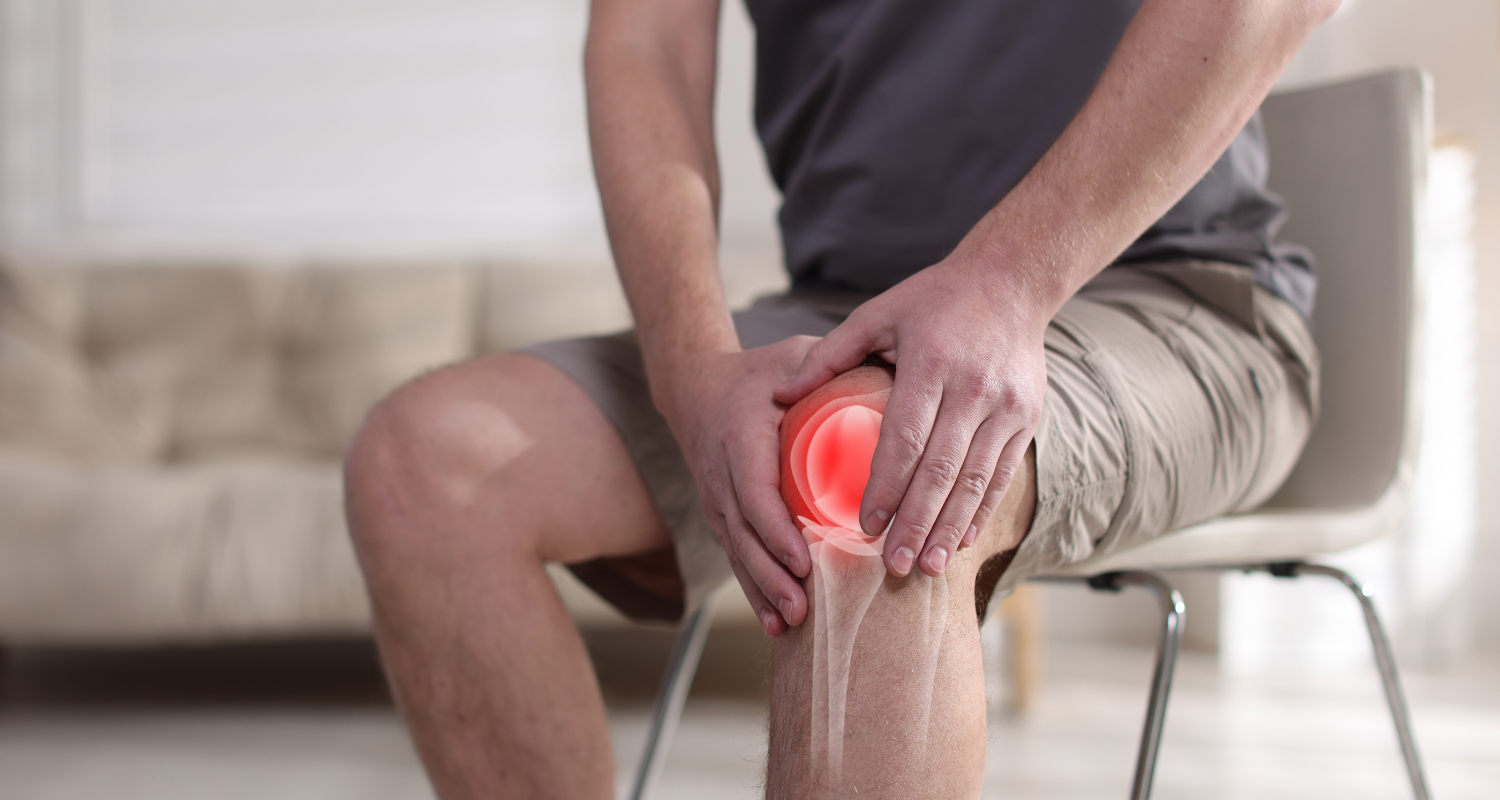
Another common symptom voiced by community members was
fatigue. This symptom often feels like a relentless shadow, draining energy and motivation. Many shared that fatigue not only affects their physical capabilities but also exacerbates other symptoms, making it harder to manage pain and inflammation. The sheer exhaustion can become a barrier to self-care, impacting everything from exercise to cooking nutritious meals.
Inflammation, particularly in the context of rheumatoid arthritis (RA), was also a significant concern. Members highlighted how the pain associated with inflammation can be debilitating, leading to joint damage over time. The inflammatory processes of autoimmune diseases can wreak havoc on daily life, leaving individuals feeling trapped in a cycle of discomfort and frustration.
Additionally, the issue of
sleep disturbances, such as insomnia, emerged as a critical factor. Many noted that lack of sleep magnifies existing symptoms, including pain and fatigue, and can lead to cognitive challenges like brain fog. The connection between sleep and overall health is well-documented; when restorative sleep is elusive, the ability to cope with other symptoms diminishes.
Brain fog itself was another major topic of discussion. Many professionals, including those who had to shift from their desired careers due to their conditions, shared the emotional toll that cognitive difficulties can take. The sadness of not being able to pursue their professions, combined with the challenges of everyday tasks, was palpable in their responses.
This discussion reflects a broader reality for many living with autoimmune diseases: a constant battle against symptoms that often feel uncontrollable. While some members have found success with therapies that target inflammation and pain, fatigue remains a persistent issue for many, sometimes even as a side effect of the very medications that help alleviate other symptoms.
The emotional weight of these experiences is significant. Community members shared feelings of isolation, sadness, and frustration, revealing how these chronic conditions can impact mental health and quality of life. For many, the longing for control over their symptoms is tied to a desire for a more fulfilling, active life.
Ultimately, this conversation serves as a reminder of the need for ongoing research and innovation in the field of autoimmune disease treatment. The voices of those in the AiArthritis community echo a collective hope for better management strategies that address the multifaceted nature of these conditions.
As we continue to share our stories and support one another, it’s vital to advocate for awareness and advancements in treatment options. Together, we can work toward a future where living with autoimmune diseases becomes more manageable, allowing individuals to reclaim their lives from the grip of uncontrolled symptoms.