
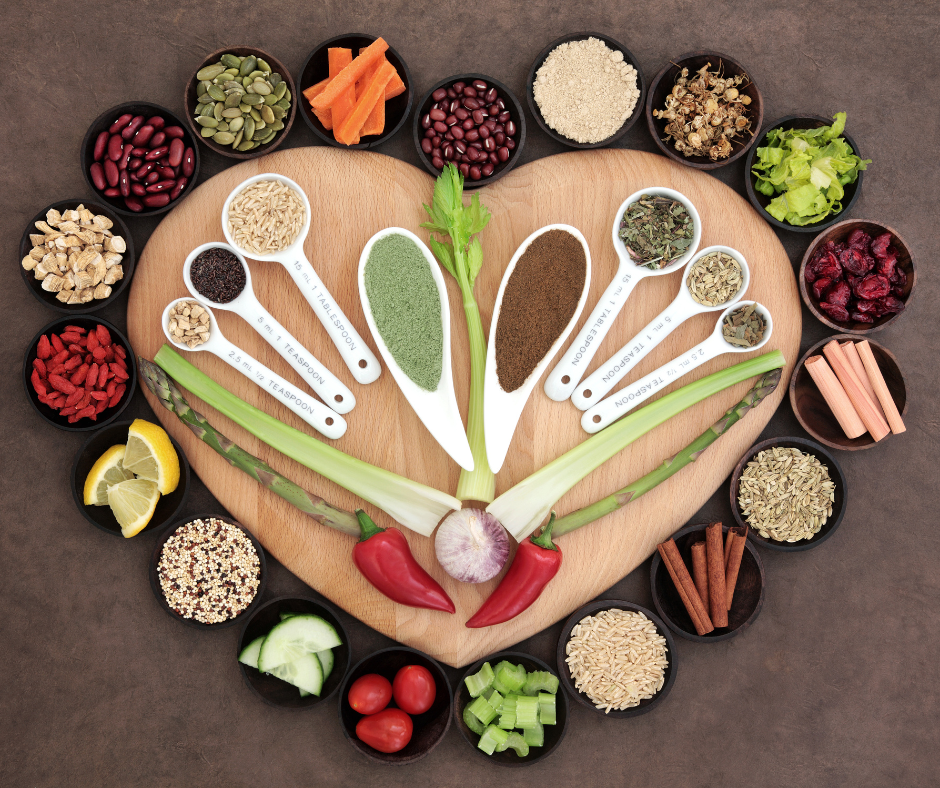
Community Chat Takeaway: Anti-Inflammatory Foods & Recipes


Tips for adding anti-inflammatory nutrition by two registered dietitians with AiArthritis Diseases. 


We were thrilled to welcome our special guests, Deb Constien (AiArthritis Volunteer & Medically Retired Dietitian) and Cristina Montoya (@ArthritisDietitian), to this month's community chat. Their expertise provided invaluable insights into the benefits of anti-inflammatory diets for those living with AiArthritis diseases.


Download the original document


A Highlighted Quote: "Measure your success against your progress, not your ideals." - Cristina Montoya (@ArthritisDietitian)
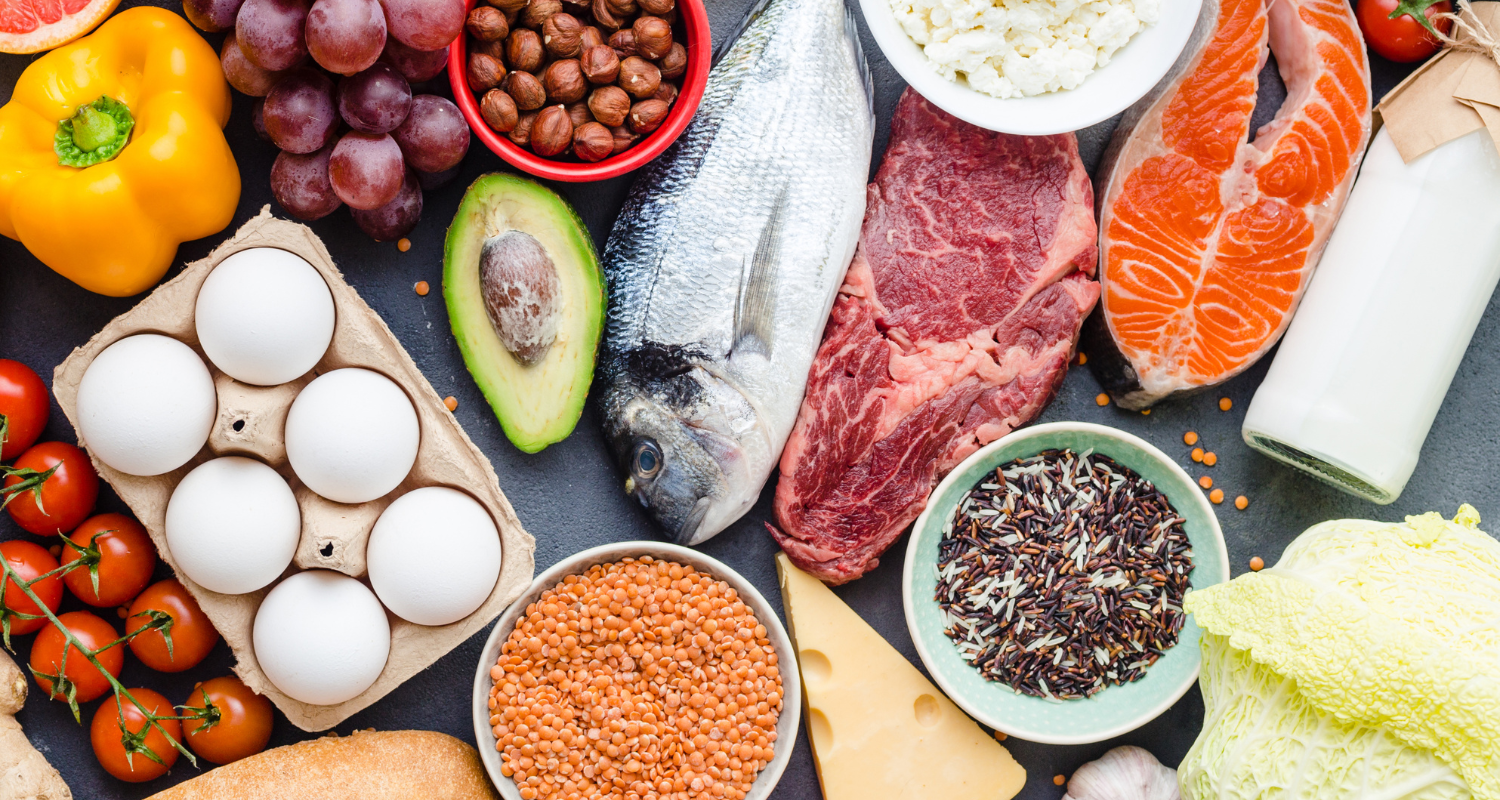



Why an Anti-Inflammatory Diet? For individuals with AiArthritis diseases, an anti-inflammatory diet can be a powerful tool in preventing or delaying the onset of co-morbidities such as cardiovascular disease and lupus nephritis. This dietary approach focuses on incorporating foods that reduce inflammation, offering a holistic way to manage health.


What Foods Are Considered Anti-Inflammatory?


  • Increase fish intake for protein, rich in omega-3 fatty acids.
  • Consume 1-2 cups of fruit and 2-3 cups of vegetables daily.
  • Opt for vegan or plant-based options when possible.
  • Limit cooking oils high in omega-6 fatty acids (e.g., vegetable and canola oil) and choose oils rich in monounsaturated fats (e.g., olive and avocado oil).
  • Nuts are an excellent source of monounsaturated fats.
  • Choose whole grains over refined grains.
  • Don’t view white rice and potatoes as "bad." These foods, when heated, cooled, and reheated, can introduce beneficial bacteria to the digestive tract.
  • Remember that dietary tips are not "one-size-fits-all"; each person has unique triggers. An elimination diet can help identify these triggers (e.g., gluten, dairy).


Additional Diet Tips for Reducing Inflammation and Promoting Overall Healthy Eating:


  • Eat a Variety of Colors: Incorporate a range of colorful fruits and vegetables into your meals. Each color provides different antioxidants and nutrients that can help reduce inflammation.
  • Include Healthy Fats: Integrate healthy fats like those found in avocados, olive oil, and fatty fish. These fats contain anti-inflammatory properties that can help manage symptoms and improve heart health.
  • Spice It Up: Add anti-inflammatory spices like turmeric, ginger, and cinnamon to your dishes. These spices not only enhance flavor but also provide powerful anti-inflammatory benefits.
  • Stay Hydrated: Drink plenty of water throughout the day to help flush out toxins and keep your body functioning optimally. Staying hydrated is crucial for overall health and can aid in reducing inflammation.
  • Eat Lean Protein: Include sources of lean protein such as chicken, turkey, tofu, and legumes. Protein is essential for maintaining muscle mass and overall health.
  • Avoid Processed Foods: Limit your intake of processed foods, sugary snacks, and beverages. These foods can increase inflammation and contribute to various health issues.
  • Opt for Fermented Foods: Incorporate fermented foods like yogurt, kefir, sauerkraut, and kimchi into your diet. These foods are rich in probiotics that support gut health and can help reduce inflammation.
  • Balance Your Meals: Ensure each meal contains a balance of carbohydrates, proteins, and fats. This balance can help maintain stable blood sugar levels and reduce inflammation.
  • Limit Red Meat: Reduce your consumption of red and processed meats, which can contribute to inflammation. Instead, focus on plant-based proteins and lean meats.
  • Mindful Eating: Practice mindful eating by paying attention to your hunger and fullness cues, and savoring each bite. This can help you make healthier choices and improve your relationship with food.


Diet Tips:


  • Success in changing one’s diet depends on individual needs, budget, and lifestyle. Realistic, small changes are more sustainable than drastic overhauls.
  • Avoid disordered eating by incorporating foods you enjoy and that meet your nutritional needs.
  • Save money by gardening or buying in bulk; frozen fruits and vegetables are nutritious options.
  • Make healthy adjustments to the food you already have, like adding vegetables to canned soup or macaroni and cheese.
  • Small swaps, such as choosing whole grain noodles, can make a significant impact.
  • Changing one meal at a time, like starting with a nutritious breakfast, can lead to positive long-term habits.
  • Recognize your limitations and find replacements for foods you don’t like within the same food group.


Resources from Our Special Guests:


We hope these tips and resources help you on your journey towards a healthier, more anti-inflammatory lifestyle!


Assorted fresh foods including eggs, fish, meat, vegetables, fruit, grains, and dairy on a dark background
May 29, 2026
Discover what current research is revealing about nutrition, the gut microbiome, and their connection to inflammatory arthritis, including how diet and gut health may influence inflammation, symptoms, and overall wellbeing.
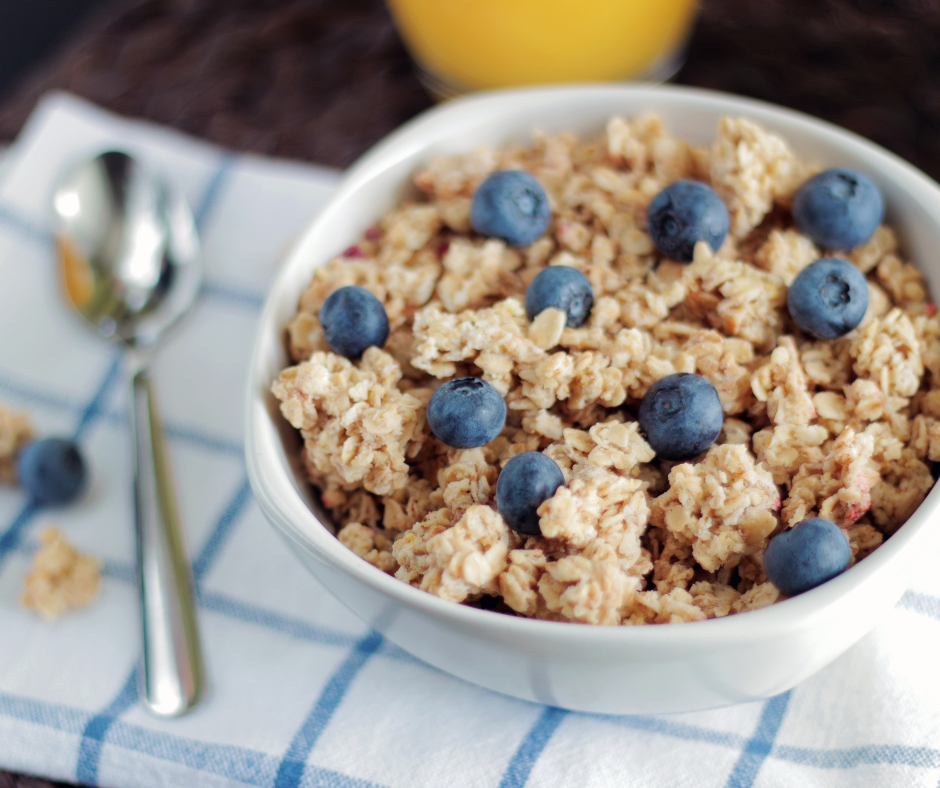
Bowl of oatmeal and blueberries for anti-inflammatory diet
March 7, 2026
Stuck on what to eat with inflammation in mind? 5 quick, easy breakfast ideas you can start tomorrow morning, no special ingredients needed.
Table with blue shoes, blue dumbbell weights, heart bowl of fruit and a stethoscope.
July 19, 2025
While medications play a crucial role, lifestyle modifications can significantly improve overall well-being in those with AiArthritis diseases.
Scientist performing a laboratory test
April 22, 2025
From the essential role of vitamin D to groundbreaking findings on exhausted T-cells, this research is shedding light on ways to better understand, manage, and treat autoimmune conditions.
IV drip bag hanging on a stand in a softly lit hospital room
May 30, 2026
Explore the latest discussion on early treatment for rheumatoid arthritis and what current research reveals about diagnosis, intervention, and long-term patient outcomes.
Woman in a white blazer seated at a vanity, holding a makeup mirror in a softly lit room.
May 30, 2026
Discover the latest research on rheumatoid arthritis, including insights into disease risk, the importance of early treatment, and the connection between RA and lung disease.
Person seated on a chair, clutching a glowing red knee in pain
May 29, 2026
Explore what emerging research is teaching us about difficult-to-treat and poly-refractory rheumatoid arthritis, including the challenges patients face when treatments stop working and the search for more personalized approaches to care.
Older man using a tablet at a desk in a bright home office
May 29, 2026
Learn about VEXAS syndrome, a newly identified inflammatory condition linked to immune system dysfunction, and why greater awareness may help patients with complex or overlapping AiArthritis disease symptoms find answers sooner.
More Posts