Finding Strength Through Rheumatoid Arthritis: Judy Nagy’s Story
For Judy Nagy, rheumatoid arthritis (RA) arrived suddenly and without warning. What began as swelling in one hand during the holidays would become the start of a lifelong journey navigating chronic illness, treatment, perseverance, and ultimately, patient advocacy.
“Something’s Wrong”
Judy was living in Columbus, Ohio, working as a convention and trade show coordinator when she went home to Vermilion, Ohio for Christmas. On Christmas Eve, while visiting relatives, she noticed severe swelling and pain in her right hand.
“I kept showing it to my mom,” Judy recalled. “I said, ‘Something’s wrong.’”
The pain quickly intensified.
“I started to get pain in the same arm. The pain radiated from the tip of my middle finger all the way to my elbow. I literally felt like I could go into the kitchen, get a knife, and cut my arm off above the elbow. That’s how bad it was.”
Judy’s family took her to the emergency room, where blood tests suggested she was experiencing an AiArthritis disease attack, something she had never heard of before.
Meanwhile, her symptoms escalated rapidly.
“My entire body was starting to swell. My face was swollen, my ankles and feet were swollen, everything. I was literally having trouble walking.”
The hospital advised her to follow up with her family doctor once she returned home. When they called him, he immediately recognized the severity of the situation.
“He said, ‘I know exactly what it is. I’m calling in a steroid for you.’”
By the time Judy returned to Columbus, her prescription was ready. After taking her first steroid pill, she experienced almost immediate relief.
“The swelling started going down immediately. It was amazing.”
Soon after, Judy was referred to the Columbus Arthritis Medical Center, where extensive testing confirmed she had rheumatoid arthritis.
Trial and Error with Treatment
Like many people living with autoimmune disease, Judy’s treatment journey involved years of adjustment and experimentation.
“I tried Plaquenil, but I didn’t really want to stay on it because I was afraid of my eyesight,” she explained. “I’m legally blind in one eye without prescription lenses.”
Eventually, she and her care team found a leflunomide treatment that worked well for her, even leading to a period of remission.
“I was actually in remission for a few years on it, but eventually it stopped working.”
Later, Judy spent about five years on methotrexate before transitioning to biologic therapy.
“My doctor said, ‘Well, it’s time for us to move onto the biologics.’ And now I get an infusion every five weeks.”
Pushing Through the Pain
For years, Judy continued working demanding jobs in event planning and trade show coordination despite the physical toll RA took on her body.
“Event planning and trade show coordination required lifting heavy boxes, moving things around, and traveling,” she said. “It was pretty grueling for a few years, but I felt like I had no choice but to persevere and do my job even if it hurt.”
She credits determination for helping her keep going.
“I wasn’t gonna let anything get me down. I actually thought that I was going to beat this and it was going to go away someday.”
Over time, though, the long-term effects of rheumatoid arthritis caught up with her.
“My RA just kind of caught up with me when I reached my fifties. I started to feel like I was slowing down and my joints were wearing out. The pain was starting to stay longer.”
In the last decade, Judy has undergone several arthritis-related surgeries as degeneration progressed.
Discovering Advocacy Through Community
After stopping work at age 60 and facing challenges obtaining disability support, Judy entered a difficult period emotionally.
“I went through a period of depression,” she shared.
During that time, she found online patient communities through Facebook, including groups connected to CreakyJoints.
“I learned that there are a lot of people out there struggling to find out what to do when they’re newly diagnosed or they’re having problems with their medications not working.”
Judy began offering support informally, answering questions and encouraging others navigating similar experiences.
“One day, I saw a post about joining as an advocate and I signed up,” she said. “I thought, ‘Well, I’m kind of doing that unofficially anyway.’”
Bringing the Patient Voice to Policy
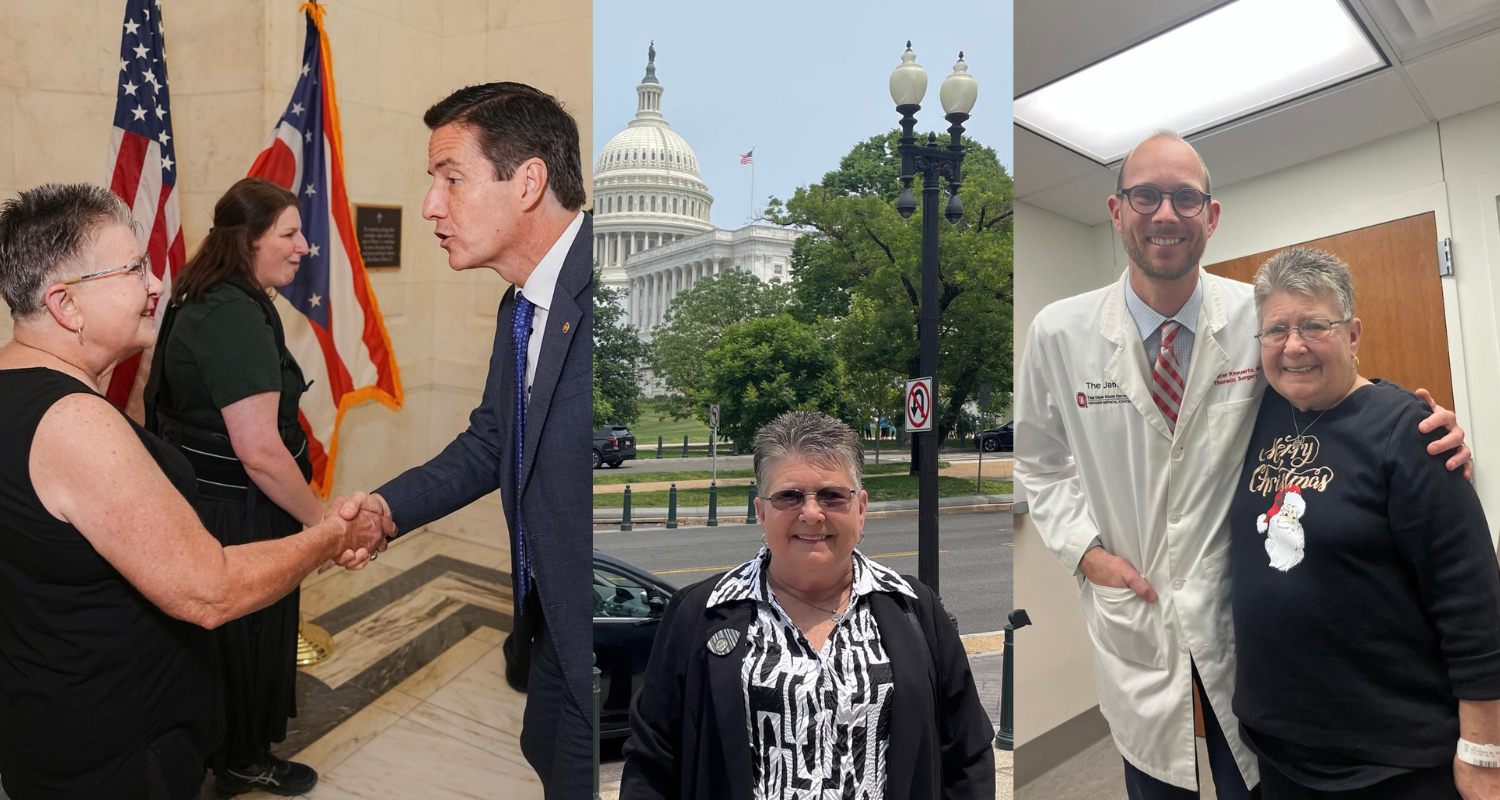
Advocacy eventually led Judy to conversations with legislators and policymakers about healthcare access and chronic illness.
“Senators and government people, they’re just the same as everyone else,” she said. “Each legislator or senator that I met with was very warm and welcoming and they listened to our stories.”
Those experiences reinforced the importance of patient voices in healthcare policy discussions.
“I believe that it’s extremely important that our government understands that people with chronic illness have special needs and we have to have a voice to make sure that our needs are met.”
What Makes a Good Patient Advocate?
For Judy, advocacy starts with compassion and a willingness to help others feel less alone.
“I think it takes someone who is passionate about making a difference in helping people that have chronic illnesses,” she explained, “and being willing to reach out to the community and your peers to make sure that we all have a better life.”
Advice for Newly Diagnosed Patients
Judy encourages people newly diagnosed with rheumatoid arthritis to prioritize finding the right doctor and building strong support systems.
“Make sure you have a great relationship with your doctor,” she said. “Many insurance plans will cover getting a second opinion, and it might be useful to help you find a doctor you are comfortable with.”
She also stresses the emotional impact of living with chronic illness and the importance of connecting with others who understand.
“Having a chronic illness can be very depressing because you’re living with something that a lot of people don’t understand.”
Whether through friends, family, support groups, or patient communities, Judy believes no one should navigate chronic illness alone.
“It’s My Mission”
Today, advocacy has become deeply personal for Judy.
“I feel it’s my mission and my passion to help my fellow peers with chronic illnesses deal with these diseases on a daily basis,” she said.
After decades of living with rheumatoid arthritis, Judy continues using her lived experience to support others, proving that even through pain, uncertainty, and setbacks, patient voices have the power to create connection, understanding, and change.
Help DRIVE awareness this World AUTOimmune & AUTOinflammatory Arthritis Day by joining the official social media campaign! Share your story, use ready-made graphics and captions, and help educate others about the real impact of AiArthritis diseases.
Every post helps make these often invisible diseases more visible. Learn how to participate and access the social media toolkit.