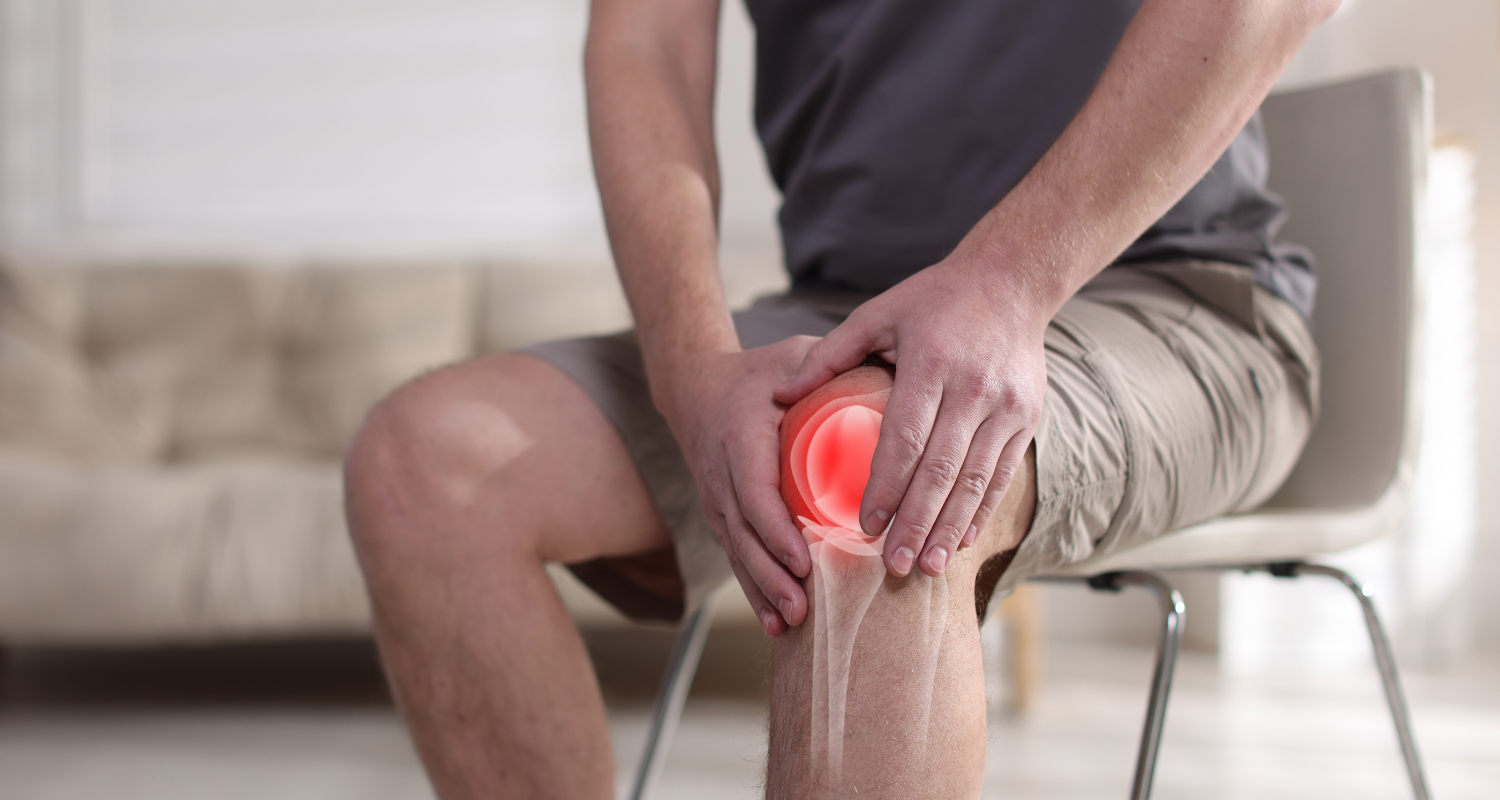
Recognizing a Flare in Autoimmune and Autoinflammatory Arthritis Diseases

Autoimmune and autoinflammatory arthritis conditions such as rheumatoid arthritis (RA), psoriatic arthritis (PsA), lupus (SLE), and axial spondyloarthritis (axSpA) are chronic disorders in which the immune system mistakenly attacks the body’s joints and tissues. These conditions often have periods of flare-ups, where symptoms suddenly worsen, causing increased pain, stiffness, fatigue, and sometimes organ-specific issues. Recognizing the early signs of a flare can help individuals take timely action to manage symptoms, reduce complications, and maintain quality of life.
Common Symptoms of a Flare in AiArthritis Diseases
Flare intensity and duration can vary widely from person to person. Common warning signs include:
Increased Joint Pain and Stiffness
- Sudden or worsening pain in previously affected joints, sometimes spreading to new areas.
- Stiffness, particularly in the morning or after long periods of inactivity.
- Difficulty performing daily activities, such as dressing, cooking, or walking, due to inflammation.
Swelling and Redness
- Noticeable swelling in one or more joints, often accompanied by warmth.
- Redness around affected areas, signaling increased local inflammation.
- Sometimes, joints may feel tender even with light touch.
Fatigue and Weakness
- Persistent, extreme tiredness that does not improve with rest.
- Muscle weakness, making even routine tasks feel more challenging.
- Fatigue often worsens alongside pain and stiffness, creating a cycle that impacts daily function.
Fever and Flu-like Symptoms
- Low-grade fever or mild temperature elevation can occur as part of the immune response.
- Chills, body aches, or malaise may accompany joint symptoms, particularly in systemic flares.
Skin and Nail Changes
- In psoriatic arthritis, flares may cause scaly skin patches or nail abnormalities such as pitting or discoloration.
- Lupus may trigger rashes, often on the face or sun-exposed areas.
- Skin symptoms can appear before, during, or after joint flares.
Digestive Issues
- Autoimmune conditions like Inflammatory Bowel Disease (Crohn’s Disease) can cause abdominal pain, diarrhea, bloating, or nausea during flare periods.
- Gut inflammation can exacerbate fatigue and systemic symptoms.
Eye Problems
- Inflammation such as uveitis can cause eye redness, dryness, light sensitivity, or blurred vision.
- Prompt recognition is essential, as untreated eye inflammation can lead to vision complications.
Mental and Emotional Impact
- Pain, fatigue, and unpredictability of flares can increase anxiety, depression, or irritability.
- Cognitive difficulties, often called “brain fog”, can affect memory, focus, and decision-making.

Common Triggers of Flares
Flares can be unpredictable, but several factors often contribute to increased disease activity:
- Stress – Emotional or physical stress can worsen symptoms and trigger immune responses.
- Infections – Viral or bacterial infections may provoke systemic immune activation.
- Weather Changes – Cold, damp, or fluctuating weather can intensify joint pain and stiffness.
- Dietary Factors – Certain foods, like processed sugars, high-fat meals, or gluten (in sensitive individuals), may increase inflammation.
- Medication Changes – Missing doses, stopping treatment abruptly, or changing medications without guidance can lead to flare-ups.
Managing and Preventing Flares
While flares may not always be fully preventable, proactive strategies can help reduce their severity and frequency:
- Medication Adherence – Taking medications exactly as prescribed is critical to maintaining disease control.
- Healthy Nutrition– Consuming anti-inflammatory foods, such as leafy greens, fatty fish, nuts, and berries, can help reduce inflammation.
- Regular Exercise – Gentle, low-impact movement (e.g., yoga, swimming, walking) improves joint mobility, strength, and overall well-being.
- Stress Management – Mindfulness, meditation, breathing exercises, and relaxation techniques can reduce flare frequency.
- Adequate Rest – Prioritizing quality sleep and
avoiding overexertion allows the body to recover and regulate inflammation.

When to Seek Medical Help
Recognizing early flare signs and taking proactive steps can help maintain daily function and quality of life. However, persistent, severe, or rapidly worsening symptoms require prompt consultation with a healthcare provider. Early intervention may prevent joint damage, control systemic inflammation, and guide treatment adjustments.
Tune into the AiArthritis Voices 360 Talk Show, where patients, doctors, and advocates come together to discuss the latest in autoimmune and autoinflammatory arthritis.
Related Blog Posts