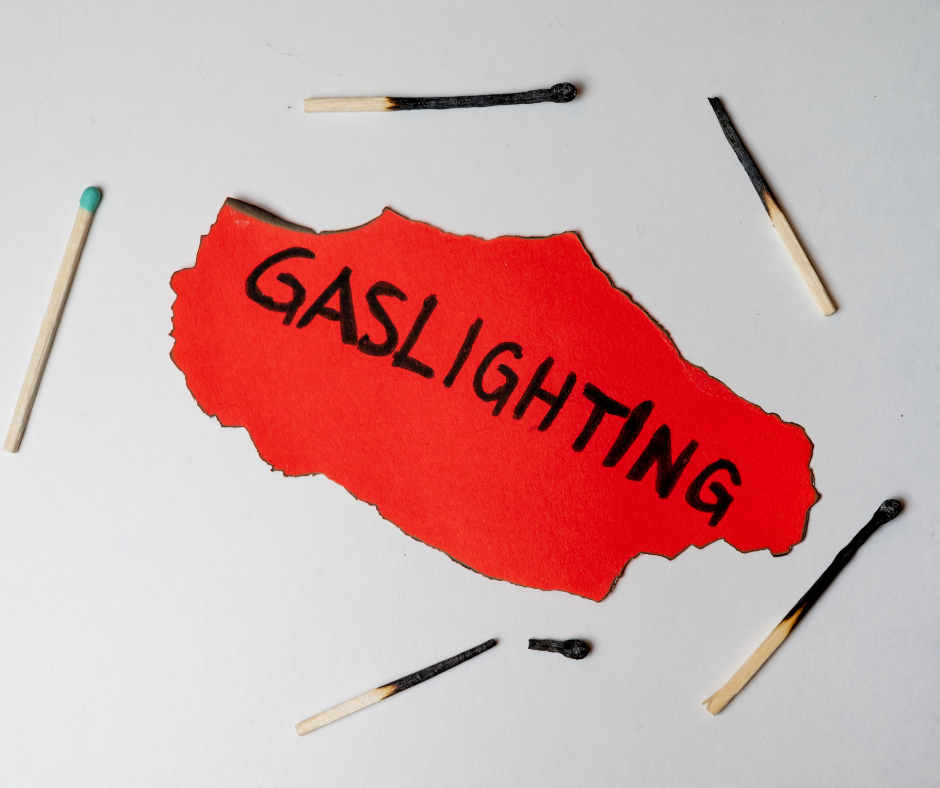
Most dictionaries define gaslighting as cognitive manipulation and misleading. These actions can even cause the unsuspecting person to question the authenticity of their own thoughts, feelings, and perceptions.
This buzzword originated from the 1938 play, Gas Light by British screen writer Patrick Hamilton. In this dark, psychological thriller set in the 1880’s, a husband attempts to convince his wife that she is going mad. He must prove her instability by committing her to a psychiatric hospital in order to control her inheritance money.
His elaborate strategy to persuade his wife of her lost sanity included tricking her through maneuvering the lights inside their home. By turning the lights on and off, he effectively dimmed the gas light to advance his scheming efforts.
I’m sure the writer did not expect that his play, which debuted in cinema in the 1940’s would spark such a powerful catchphrase so many years later.
So, why is such abusive behavior appalled on stage and screen, but essentially allowed to persist in the medical realm? Truthfully, medical providers are rarely disciplined for not listening to their patients.
Gaslighting can trigger a multitude of devastating consequences. The rather obvious physical impacts of a missed or delayed diagnosis, can lead to unnecessary poor outcomes and even death. However, it’s often the overlooked emotional distress which has the potential to generate just as much destruction. Gaslit individuals understandably grow to mistrust healthcare providers, and might eventually avoid seeking medical care all together.
Being in the unique position of both healthcare provider, as well as dismissed patient, I assure you that the burns from medical gaslighting can result in deep, penetrating wounds and extensive scarring. The inner turmoil of knowing that you are sick, but being betrayed by your trusted medical professional, is a hard pill to swallow.
But you are NOT a powerless patient! You have every right to demand better healthcare! Medicine is a consumer based industry and there is no service more important than your health and well-being!
Think of yourself as a powerful consumer! I doubt that you would accept a landscaper only cutting half of your front lawn, so why should you accept poor healthcare?
Never settle for substandard medical care! If you are unhappy with the care you’re receiving then make an attempt to alter it. It’s perfectly okay to challenge provider dismissiveness. As empowered patrons, we should and must demand better medicine.
Many of us have been wrongly taught that in order to be “good” patients we must be passive. That is, allow the provider to be in charge, with little to no say from us. This isn’t how good medicine should be. We need to be teamed up with our health professional, with mutual respect from both parties.
As a patient, you know your body best as you live with it every minute of every day. If the provider doesn’t listen to you after your intervention, then fire them. Keep in mind there are plenty of great health professionals out there who are ready and willing to give you the attention you deserve.
Being heard, then receiving competent and compassionate care is a fundamental human right, so never settle for anything less than the best!
Here are some tips if your provider isn’t listening or even dismissing you:
1. Reiterate the importance of your concern.
2. Politely comment that they seem distracted.
3. Ask them to focus on you (including to stop staring at their computer screen).
4. Make a few attempts to change the behavior.
5. Find a new provider if necessary.
Here are some tips for finding the right health provider:
1. Talk to friends and family.
2. Read reviews.
3. Use social media.
4. Join a support group.
5. Ask a nurse or another trusted person in medicine.
Thank you so much for reading! Please be well and visit: www.rebeccahosey.com if you
want to learn more!
Rebecca Hosey