

November marks Nerve Pain Awareness Month, also known as NERVEmber. Established by Barbie and Ken Ingle through the International Pain Foundation in 2007, NERVEmber is dedicated to raising awareness about neuropathic pain—a complex condition resulting from damage or disease affecting the nervous system. This month-long observance aims to enhance understanding, support research, and promote advancements in treatments for neuropathic pain. By highlighting this often misunderstood and misdiagnosed condition, NERVEmber seeks to improve the lives of those affected by nerve pain. For more information, visit the International Pain Foundation's Nerve Pain Awareness Month page.
NERVEmber: Nerve Pain Awareness Month
- Did you know that orange represents chronic pain awareness on a global scale? Among more than 150 conditions associated with nerve pain, RSD stands out as one of the most excruciating. Unfortunately, this condition is frequently misunderstood, mistreated, and often misdiagnosed.
- #NERVEmber is recognized as International Nerve Pain Awareness Month, encompassing conditions such as RSD, CRPS, Diabetes, Neuropathy, and AiArthritis Diseases. Throughout #NERVEmber, you can show your support by going orange each day to raise awareness for these conditions that feature neurological symptoms.
- By posting daily with #NERVEmber #iPain #GoOrange, you can help raise awareness for nerve pain. Utilizing these hashtags will highlight a condition relevant to your community.
Understanding Neuropathic Pain
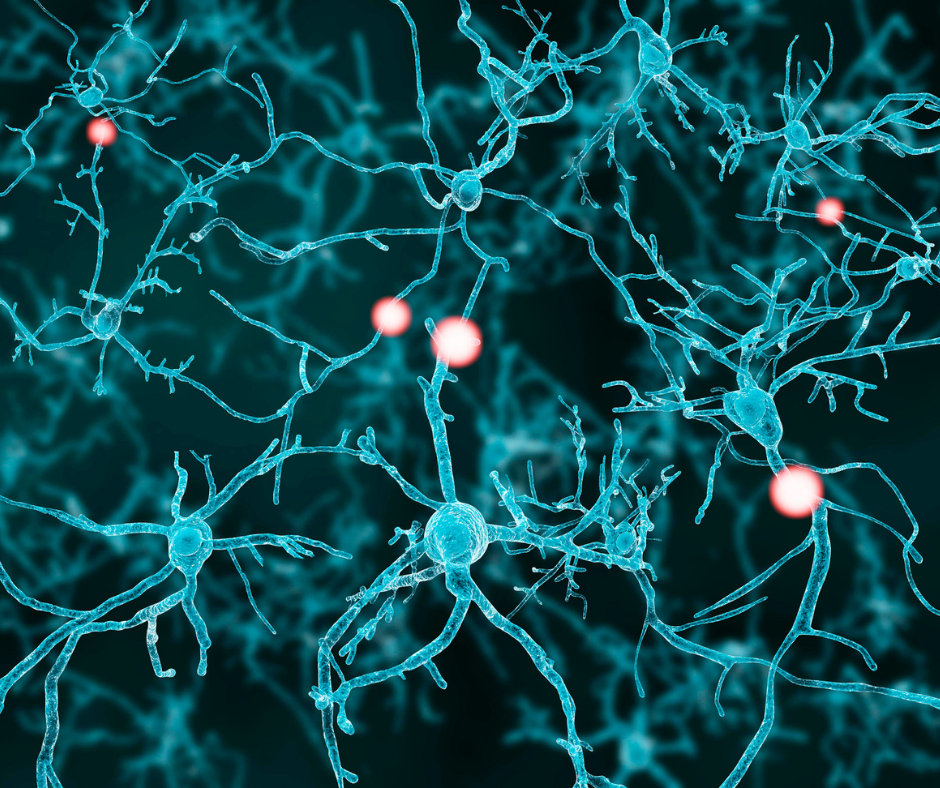
Neuropathic pain, commonly referred to as nerve pain, arises when nerves in the body are damaged or malfunctioning. Unlike other types of pain that stem from injury or inflammation, neuropathic pain originates from the nervous system itself. This can result in chronic pain characterized by burning, stabbing, or shooting sensations, which can significantly impact a person's quality of life.
Nerve Pain and Autoimmune and Autoinflammatory Arthritis
Individuals living with autoimmune and autoinflammatory arthritis often experience neuropathic pain as a significant and debilitating symptom. Conditions such as rheumatoid arthritis (RA) and lupus can cause nerve damage, leading to chronic pain that exacerbates existing joint and tissue pain
Managing nerve pain in these patients can be particularly challenging, as it requires a multifaceted approach that often includes medication, physical therapy, and lifestyle modifications.
Medications:
Anti-inflammatory drugs, anticonvulsants, and antidepressants are commonly used to manage neuropathic pain. These medications help reduce inflammation, modulate nerve signals, and alleviate pain.
Physical Therapy:
Engaging in physical therapy can help maintain joint function, reduce stiffness, and improve overall mobility Physical therapists can provide tailored exercises and techniques to manage pain and improve quality of life.
Lifestyle Adjustments: Incorporating stress management techniques, maintaining a balanced diet, and ensuring adequate rest are crucial for managing chronic pain . Support groups and counseling can also provide emotional support and practical strategies for coping with the daily challenges of living with chronic pain
The Importance of Awareness and Research
Raising awareness about neuropathic pain is essential for several reasons. First, it helps to reduce stigma and misunderstanding surrounding the condition, making it easier for individuals to seek and receive appropriate care. Second, increased awareness can drive funding and support for research initiatives aimed at developing new and more effective treatments. Organizations like the International Pain Foundation play a crucial role in advocating for patients, supporting research, and providing resources to those affected by neuropathic pain.
Future Directions
Ongoing research is vital for unraveling the complexities of neuropathic pain and finding innovative solutions. Scientists are exploring the genetic, molecular, and environmental factors that contribute to nerve damage and pain. Advances in neuroimaging and biotechnology are opening new avenues for understanding how nerve pain develops and how it can be effectively treated. With continued support and advocacy, there is hope for more effective therapies and improved quality of life for those living with neuropathic pain.
NERVEmber serves as a crucial platform to bring attention to the challenges faced by those living with neuropathic pain. By fostering greater understanding and supporting research, we can make significant strides in improving treatments and enhancing the lives of those affected..
For more information and resources, visit the
International Pain Foundation's Nerve Pain Awareness Month page. Together, we can make a difference in the lives of those suffering from neuropathic pain.

Autoimmune arthritis feels like an injury, the flu and exhaustion at the same time, and it does not end. Comparisons you can hand to family or an employer.

Explore the latest discussion on early treatment for rheumatoid arthritis and what current research reveals about diagnosis, intervention, and long-term patient outcomes.

Discover the latest research on rheumatoid arthritis, including insights into disease risk, the importance of early treatment, and the connection between RA and lung disease.

Explore what emerging research is teaching us about difficult-to-treat and poly-refractory rheumatoid arthritis, including the challenges patients face when treatments stop working and the search for more personalized approaches to care.