

Are you or a loved one navigating life with AiArthritis diseases? The International Foundation for Autoimmune & Autoinflammatory Arthritis (AiArthritis) brings you this comprehensive guide to better understand these conditions and their symptoms. Learn about over 20 AiArthritis diseases, discover the importance of symptom tracking, and find support tailored for you.
May 3: World Axial Spondylitis Day

Each year on the first Saturday of May (except when May 1st falls on that day), the global community unites to observe World Axial Spondylitis Day. This vital awareness day brings attention to axial spondylitis (AxSpA), a chronic inflammatory condition that primarily affects the spine and sacroiliac joints, and seeks to empower patients, educate the public, and improve the quality of life for those living with the disease.
Learn more about Learn more about World Axial Spondylitis Day.
Understanding Axial Spondylitis
Axial spondylitis, also referred to as axial spondyloarthritis (AxSpA), is a lifelong rheumatic disease that causes pain, stiffness, and inflammation in the spine and pelvis. It is classified into two forms:
- Radiographic AxSpA (commonly known as ankylosing spondylitis): In this form, structural changes to the joints, visible via X-rays, are present.
- Non-Radiographic AxSpA: In this type, there are no visible changes on imaging tests, though symptoms are just as debilitating.
What sets AxSpA apart is the gradual fusion of the spine in severe cases, leading to significant mobility limitations and an altered posture. Beyond the physical challenges, living with axial spondylitis often impacts emotional well-being, social life, and day-to-day activities.
AiArthritis Disease Symptoms
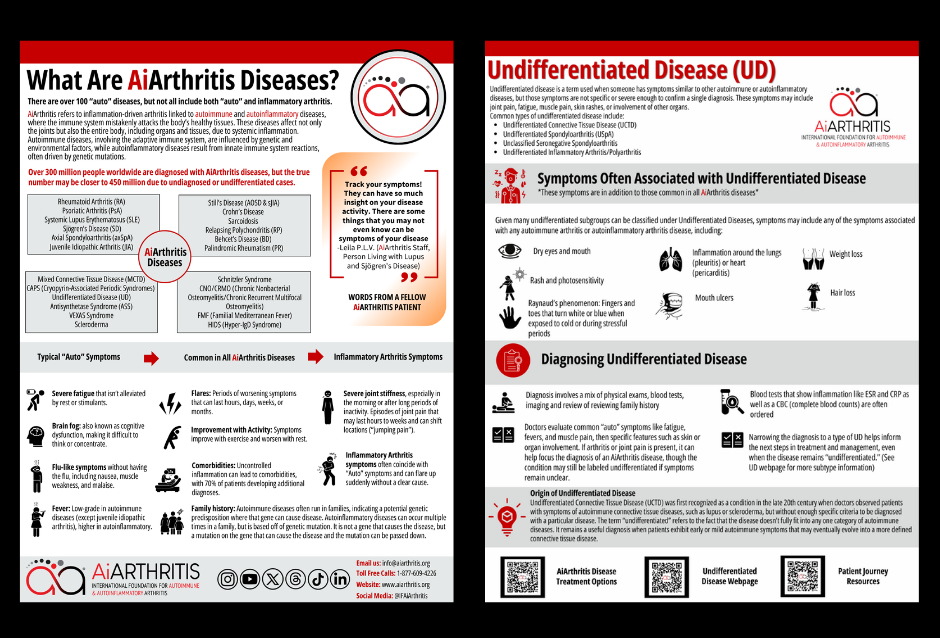
AiArthritis diseases share common features such as flares, where symptoms worsen for hours to months, and improvements with physical activity, while rest can make symptoms worse. Genetic predisposition or mutations can lead to these conditions running in families, and uncontrolled inflammation often results in comorbidities, affecting 70% of patients.
Symptoms include:
- Severe fatigue that persists despite rest or stimulants
- Brain fog, making concentration difficult
- Flu-like sensations like nausea and muscle weakness
- Low-grade fevers (higher in autoinflammatory diseases)
- Joint stiffness, especially in the morning or after long periods of inactivity
- Sudden, shifting joint pain that starts and stops abruptly
Symptoms and Impact on Lives
Key symptoms include:
- Lower back pain and stiffness in the hip joint
- Enthesitis: inflammation of tendon or ligament
- Uveitis: Inflammation inside the eye
- Dactylitis: Inflammation in fingers and toes
- Limited spinal flexibility
Axial spondylitis typically develops in young adults, often beginning in late teens or early twenties, and disproportionately affects men compared to women. Due to its subtle and progressive nature, it often goes undiagnosed for years, delaying treatment and exacerbating long-term complications.

The Importance of Early Diagnosis
One of the critical goals of World Axial Spondylitis Day is to promote early detection and diagnosis. A prompt diagnosis can make an enormous difference in managing the disease's progression and improving outcomes. Specialized imaging, such as MRI, along with inflammatory markers and clinical evaluation, can help confirm the presence of AxSpA.
The delay in diagnosis, which can average between 7 to 10 years, underscores the need for greater awareness—both among healthcare professionals and the public. Increased recognition of early signs can lead to earlier referrals to rheumatologists and appropriate interventions.
Treatment Options and Support
While there is currently no cure for axial spondylitis, various treatments can help manage symptoms and improve quality of life:
- Medications: Nonsteroidal anti-inflammatory drugs (NSAIDs), biologics (such as TNF inhibitors and IL-17 inhibitors), and pain relievers help reduce inflammation and manage pain.
- Physical therapy and exercise: Regular movement and tailored physiotherapy play a crucial role in maintaining flexibility and posture.
- Lifestyle changes: Healthy eating, stress management, and quitting smoking can help alleviate symptoms and prevent complications.
- Support groups: Connecting with others who understand the condition fosters a sense of community and emotional well-being.
Advocating for Change
World Axial Spondylitis Day also serves as a platform to advocate for better access to healthcare, advanced treatments, and patient-centered support systems. People living with axial spondylitis often face barriers with accessing specialist care, affordable treatment, and workplace accommodations. Advocates work tirelessly to reduce these challenges and improve outcomes globally.
Moreover, addressing misconceptions about axial spondylitis is vital. Many people misunderstand it as simply "back pain," when it is, in fact, a systemic disease that affects multiple aspects of life. Educational campaigns and storytelling by patients help shed light on the reality of AxSpA.
How to Get Involved
On May 3, there are numerous ways to participate in World Axial Spondylitis Day and help spread awareness:
- Share educational materials on social media using hashtags like #WorldAxialSpondylitisDay and #AxSpA.
- The Spondylitis Association of America is hosting their 7th Annual Global Spondyloarthritis Summit on May 2nd and 23rd. Learn more here
- Support advocacy efforts by signing petitions, donating to research, or volunteering with patient organizations.
- Talk to friends and family about axial spondylitis, helping dispel myths and encourage understanding.
A Call to Action
World Axial Spondylitis Day is more than a calendar date, it’s a powerful reminder to amplify the voices of patients, promote early diagnosis, and advocate for better care. This year, let’s stand together to make a difference for the millions worldwide who live with this challenging disease.
To learn more about World Axial Spondylitis Day, visit the Spondylitis Association of America’s website.
Learn more about Axial Spondyloarthritis
Mark your calendar and join us in raising awareness—discover key arthritis awareness days that unite patients, advocates, and allies.
Related Blog Posts

Autoimmune arthritis feels like an injury, the flu and exhaustion at the same time, and it does not end. Comparisons you can hand to family or an employer.

Read Franklin’s powerful lived experience with rheumatoid arthritis, from delayed diagnosis and invisible symptoms to resilience, adaptation, and finding strength through chronic illness.

Read Judy Nagy’s powerful lived experience with rheumatoid arthritis, from diagnosis and treatment to patient advocacy, resilience, and supporting others with chronic illness.
Autoimmune arthritis feels like an injury, the flu and exhaustion at the same time, and it does not end. Comparisons you can hand to family or an employer.

Explore the latest discussion on early treatment for rheumatoid arthritis and what current research reveals about diagnosis, intervention, and long-term patient outcomes.

Discover the latest research on rheumatoid arthritis, including insights into disease risk, the importance of early treatment, and the connection between RA and lung disease.

Explore what emerging research is teaching us about difficult-to-treat and poly-refractory rheumatoid arthritis, including the challenges patients face when treatments stop working and the search for more personalized approaches to care.