AiA 122 Podcast
Intro: [00:00:00] Welcome to AiArthritis Voices 360, the podcast solving today's most pressing issues in the AiArthritis community. We invite you all to the table, where together we face the daily challenges of autoimmune and autoinflammatory arthritis. Join our fellow patient co-hosts as they lead discussions in the patient community, as well as consult with stakeholders worldwide to solve the problems that matter most.
Whether you are a loved one, a professional working in the field, or a person diagnosed with an AiArthritis disease, this podcast is for you. So pull up a chair and take a seat at the table.
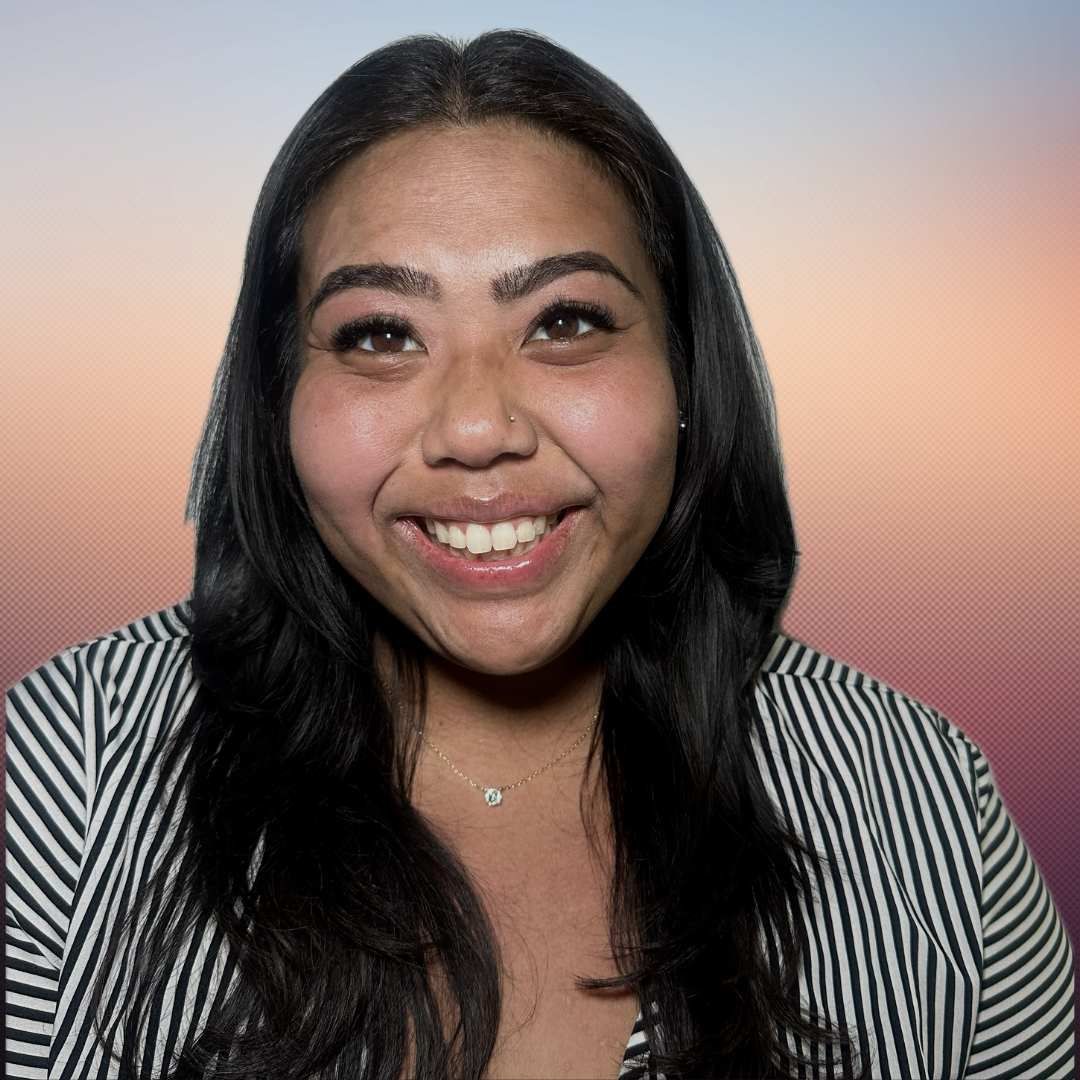
Leila: And welcome to AiArthritis Voices 360. This is the official talk show for the International Foundation for Autoimmune Autoinflammatory Arthritis, or AiArthritis for short. My name is Leila, [00:01:00] and I am one of your co-hosts today. I am a person living with lupus and Sjogren's disease, and I am the health education manager here at AiArthritis.
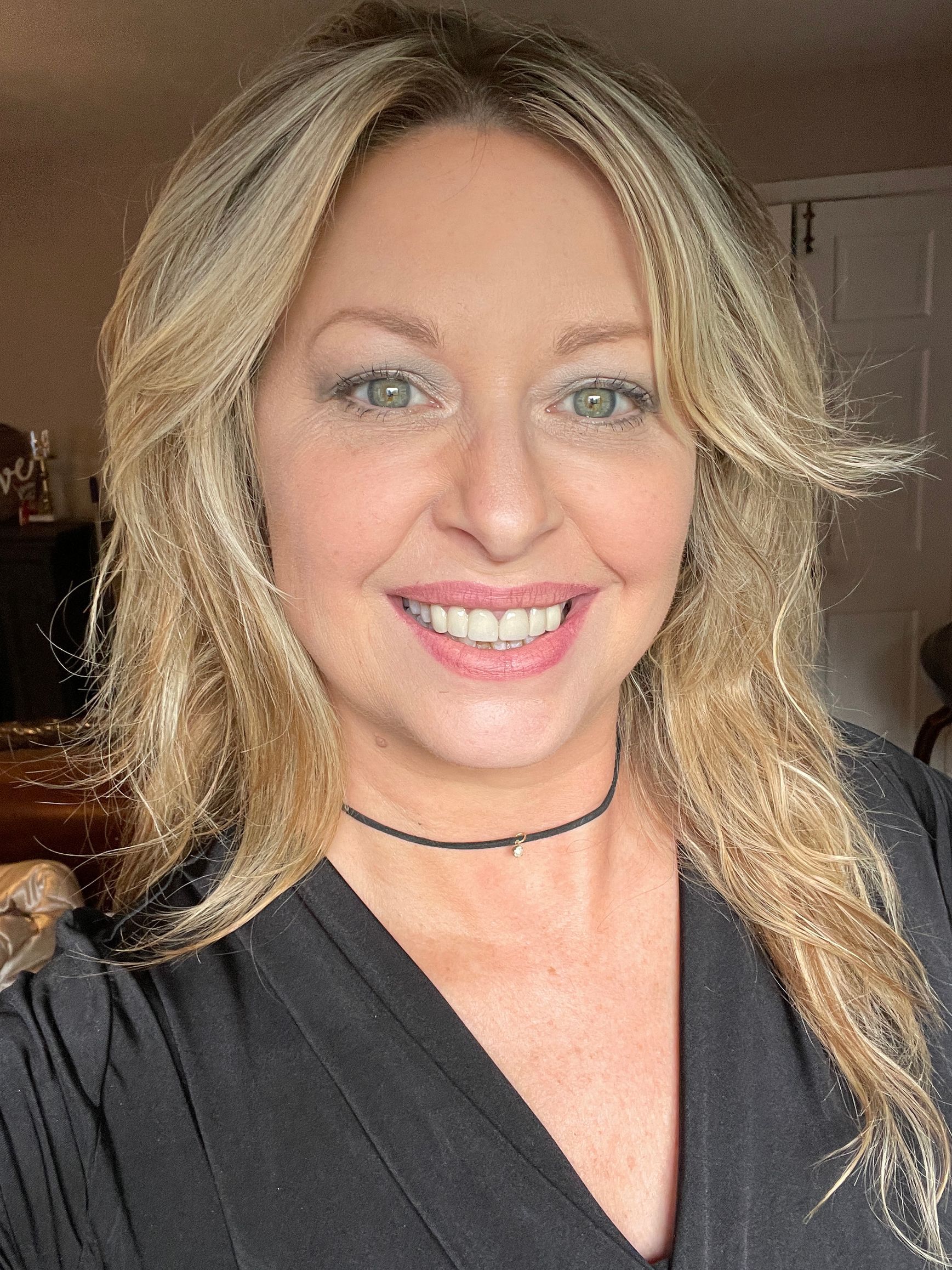
And I am joined here today by my co-host and original founder and CEO of AiArthritis,
Tiffany Westridge-Robertson. Please say hi and introduce yourself, Tiff.
Tiffany: Hi, everyone. It is World Autoimmune Autoinflammatory Arthritis Day. I am driving awareness, and I know you are too because you are here. So, thank you so much, Leila, for hosting this live stream and hosting the AiArthritis Voices 360 talk show on this very special day.
My name, as she said, Tiffany Westridge-Robertson. I'm the CEO, original founder, 15 years ago, believe it or not. What? It's true. I can't believe it. Time flies when you're having fun. I am a person living with non-radiographic axial spondyloarthritis, but like most people, I started as the mystery patient, then got [00:02:00] undifferentiated connective tissue disease, then seronegative rheumatoid arthritis until 2013 when non-radiographic axial spondyloarthritis actually became a real diagnosis.
So we understand, and I think Leila is she, she said she's also living with the diseases. We like to say we don't represent the patient voice, we are the patient voice at AiArthritis. So, so happy to be here on this special occasion.
Leila: Yes, and this is my, this is my fourth World AiArthritis Day, and so, uh, it's definitely not as much as Tiffany, but it definitely has, um- No, mine,
Tiffany: right, this is my fifth year.
Leila: Yeah. But it has been, um, an amazing journey to see how much we've done and how many organizations we've been able to kind of unite together for this special day, and all of it being on the basis of lived experience and putting together the different experiences that patients have to be able to make [00:03:00] change, um, in our community, you know, improve doctor and patient communication, improve...
And then therefore improving outcomes. That's what AiArthritis has always been about. But right now, in this current day and age, we are expanding our work to turn patient experiences into real-world impact. So as it... Not that we weren't doing that before, but we are really focusing on making it bigger, scaling it, and making sure that more patients are represented, and that's kind of what this whole talk show is going to be about.
Um, AiArthritis' mission has always been driven by conversational research, um, whether that be social media posts, organized discussion groups, or project-specific patient experience data collection. Um, we listen to our peers, we identify the most voiced needs, then we lead solutions to related education and awareness, legislation, research [00:04:00] that improves the patient journey.
And that's really what's super important is that the things, the data that we're collecting then translates into improvements of the patient journey, and we want to be able to show that we are doing that. Um-
Tiffany: Absolutely.
Leila: Yeah, I think that's the biggest thing. No,
Tiffany: I really... You know what? I, I, I think it's important too when we think about that it is really in everything we do.
And what, you know, Leila has so, so eloquently sa- y- put together is we've been doing it the whole time, and now we realize, holy smokes, in the words of Deb, volunteer who I see on there, holy smokes, we're now getting so much bigger. We can impact so many more lives. We really are seeing the need to build out an entire infrastructure to collect the research, publish it, put it into reports, really make your experiences impact lives even bigger and better than before.
And I think it's worth saying that's how we started. So [00:05:00] some of you on here may have even been around 16 or so years ago, and we all found each other, uh, on the base of a movement where we were mad about not being understood, and that's why World AiArthritis Day was the first project we ever established, 'cause we were mad and we wanted to demand awareness.
And we thought, "Okay, hold on. This is interesting." Through conversations, largely on social media at first, we started talking around the world and said, "Hmm You have RA. You have psoriatic arthritis. You have lupus. How do we all have the same stories? And that was when patients had the aha moment, lived experience sharing that turned into themes and data where we said, "Oh my gosh, there needs to be a nonprofit that only focuses on these 22 diseases that are auto plus inflammatory arthritis," found the term autoimmune arthritis in research, and the rest is history.
So we have literally been [00:06:00] doing this since before day one. Absolutely. And we've been making it our entire mission.
Leila: Definitely. Um, speaking of who's been here possibly for how ... for a very long time, I see a longtime volunteer, uh, in the chat, Deanne, who is ... I know has been around for a long time, too. So just wanted to give D- Deanne a quick shout-out.
Tiffany: Deanne, give a hug,
Leila: babe. Yes. Um, and yes, so this has been something that Tiffany and I have been working on for maybe the past, what, four months, is really being able to centralize our message and making sure that all the things that we've been doing in the past are repeatable, they're, um, you know, scalable and able to kind of, you know, do it on a bigger scale and with official surveys and with, you know, real data and then translating that into real change.
So again, we are gonna be talking about our renewed focus, restructuring, and emphasis on something that we've been working on [00:07:00] for the past 15 years. Um, and so now we are going to focus on a collection of lived experience data or, as we call it, LED, and how as we expand to reach thousands more people, um, over the next few years and how we're gonna build this out.
And so why we do this is really important. Um, there's so many different things in the community that a lot of people experience, like delayed diagnosis or misdiagnosis, incomplete understand... Like, you know, the other, um, people in your life not understanding the bur- real burden of disease, um, feeling isolated, um, ineffective access to care and medicine, and limited empathy within the healthcare systems is, you know, something that we all experience.
And so these are the types of things that we hope to tackle and will tackle with all of this lived experience data that we are collecting. And [00:08:00] so One of the biggest things is every single one of you that's on this stream right now watching it live, watching it later, you can all be a part of it. And conversational research, um, leads up to creating programs and tools, and even being able to help us launch these different programs and tools.
You can all be a part of those steps, and I think that that's, um, the biggest thing is that we want everyone to be able to, um, have their voice be heard. Uh, you know, that's a, that's a kind of a cliché term that a lot of different, uh, patient organizations, advocates, everybody say that, you know, every voice deserves to be heard.
But we really truly mean that, and we really want to put our, put our money where our mouth is with this data to be able to show that to, uh, to the world, to patients, to doctors, to legislators, to whoever that data is going to be presented to [00:09:00] So basically what we're talking about is that AiArthritis is entering a transformational phase of growth, and for years we built trusted relationships with patient communities, uh, educational programs, and innovative listening initiatives, and now we are preparing to pioneer a new category of patient-centered intelligence by intentionally building systems around those experiences so they can have larger impact.
Wow, that is exactly what I was trying to say in a very complex sentence. Well,
Tiffany: that was hot off the press. Yes. So, yeah, we gotta get a shout-out to Greg, uh, from The Up Agency, who's been helping us with this strategic shifting and rebuilding and renewed voice and making sure our infrastructure is prepared to handle our explosive growth that we've had over the last few years, and that we hope to triple over the next few.
And so he's done a really great job of [00:10:00] summarizing in a simple way, you know, what, where we're trying. So that was hot off the press. He ... I literally threw that in Laila's document about an hour ago.
Leila: Yes. I was like, "Well, this is new, but it sounds good, so I'm gonna read it." And yeah, so b- basically the shift, um, to leading with and publishing, uh, lived experience data, and so like we said, we've been doing this for so long, but leading with being data first, and of course listening and conversational empathy and all of those different kinds of things that we've done before is still important, but we've come to, you know, know that we do need to have hard numbers and being able to show impact.
And so through our, our different initiatives, like what Tiffany was talking about, our auto plus inflammatory arthritis equals X or Y, Z, uh, basically meaning autoimmune and autoinflammatory, um, disease plus inflammatory arthritis, [00:11:00] that's how we found our 23 diseases that we cover. And through those conversations, um, of finding these patients, we've realized again that early detection and diagnosis, individualized therapeutic intervention and access, uh, quality of life, common remission, and a world that understands the depth of our diseases and the challenges associated with them is
that's what we need. We need to be able to find improved quality of life, have remission not be a, a, you know, a, a taboo thing that we talk about because not many people can access that. We want so many more people to be able to find remission, and for, you know, our loved ones and the, the world at large to, um, understand the depth of our diseases and how there's so many challenges associated with them that they might not even know about.
And so that's the whole basis of all of the data. [00:12:00] Our programs and resources naturally grew from these experiences, and now we have dozens of programs and hundreds of patient ID-ed resources that have stemmed from that as well And so this strategic shift is really about scaling that listening. Um, you know, we're really gonna be focusing on social media li- on social media listening, making sure that we're starting conversations on social media so that we can get more information, um, organizing our insights.
So once we ... You know, once someone does reply on that social media post, what are we doing with that answer? How are we gonna use that in, you know, compiling all of our data? Measuring impact is a really big one that we keep emphasizing, uh, making sure patient experiences guide everything that we do, and that every voice is counted.
So that is, you know, exactly what this strategic shift is about. At AiArthritis, realized we were already listening [00:13:00] well, but now we need stronger ways to capture, collect, and apply what we hear. And so, like I said, Tiffany and I have been working with Greg for the past few months to really hone in on what makes AiArthritis special, what we can do for the community unique from other organizations, and this is what we really honed in on, is this lived experience data, or LED.
And Tiffany has had so many aha moments where her light bulb has been flashing while we've been going through these exercises. And we, you know, we were trying to settle on a term, um, for what we were talking about. You know, there's patient experience data, or PED, that, you know, some people, uh, use that acronym.
We really thought it was important to talk about lived experience data because it's not only the patient that we're talking about. It's the caregivers, um, it's the mystery patients that don't even know that they're patients yet, and anybody else who is just, you know, interested in helping to bring awareness of these diseases.
[00:14:00] Um, it's the healthcare practitioners, the nurses, um, the legislators. It's everybody in the community that, you know, is contributing to, um, what's happening with patients. So that's why we're talking about lived experience, not just patient experience data. And I'd love for Tiffany to go ahead, talk more about what is lived experience data, you know, from the AiArthritis perspective.
Tiffany: Absolutely. So thank you for, for all that information, Leila, and I actually saw a question in the chat, "What is lived experience data?" And, you know, I just ... At the, at the most, at the most basic level, it's us right now. It's us talking. It's us communicating. It's in, in a v- variety of ways, whether that's on a social media comment, whether you come to a debrief that we're hosting and we open up the, the chat.
If you're chatting right now in our live stream, if we ask questions, we're communicating. We have aha moments. We learn together, and that's when we [00:15:00] chart that So it's literally our experiences and these conversations and aha moments that only patients can identify because we are living with the challenges.
We know what needs to change in order to improve lives, to improve your life, improve my life, we can improve everyone's life. But we also need everyone, as ma- many people as possible at the table, because Leila and myself and a few of you on the chat, we can come up with a few different things that we feel need to change, but we need many cell groups.
We need many different cultures, many different age groups, many different people to weigh in on their experiences of how these solutions need to change. So that's where we're scaling. In addition to these experience sharing that we've been doing since inception, we're gonna take that to the next level And we need all people to know, wow, if you want your voice to count in, in the [00:16:00] way that your experience is going to shape the future of not only your own life, but everyone else's, you go to AiArthritis.
And so that's what I want you to think about. If you even wanna just take the word data out of it, just if it seems too scientific, it's us talking, it's us sharing, it's filling out a survey. We have many ways that we already capture it. If you're, if you're familiar, we have a rant hotline. So it's on our website.
It's like s- anytime you wanna rant about something, I mean, what more, uh, problematic... and you're ranting about something you're mad at. We have another version of that for the healthcare system called What the Health, so W-T-H-E-L-L-T-H. So that is launching as well. Those are two great examples of lived experience capturing, and then we analyze that.
We'll be bringing on a research team also at AiArthritis, so we'll ha- And then we are going to offer volunteers who are interested in the research [00:17:00] sector to come and join me and others as patient research partners as we help them with the analysis, because they might not understand what some of our words are, some of our phrases are.
So we are going pedal to the metal, baby. We are gonna make this something unbelievable. We're gonna take it to the next level. So that's really what lived experience collection that turns into data to impact change is all about. And like Leila said, we've been doing it already. We're just gonna scale it.
So when it comes to education and awareness, we're gonna even talk a little bit about a sur- We started putting out a survey in relation to World Arthritis Day, asking some very specific questions about awareness that we're gonna go over here in a minute, and it's a perfect example of not only sharing it via a survey.
We can chat about it here. We'll chat about it on social media. And guess what? Every little bit of that turns into information we capture, analyze, and then [00:18:00] put it back into the universe and say, "This is what needs to happen," 'cause patients said so. Pretty cool, huh? So I'm super excited, uh, about bringing this really front and center because it is really what we do, and there's so many ways that you'll be able to be a part of it.
Mentioned a few of them already, uh, but you know, even this talk show right here, right now. We're gonna res- We're... I'm working... My homework is I've been taking every program, and we have about a dozen, every program in through a filter, and with that filter, every program must have the lived experience data.
We already do it. We start a program because we all talk and realize there's a need So we're gonna magnify that. More voices saying there's a need, bigger build out of the projects, existing projects, having people weigh in on those, and also helping us learn in peer-led education as we start talking about these amazing programs.
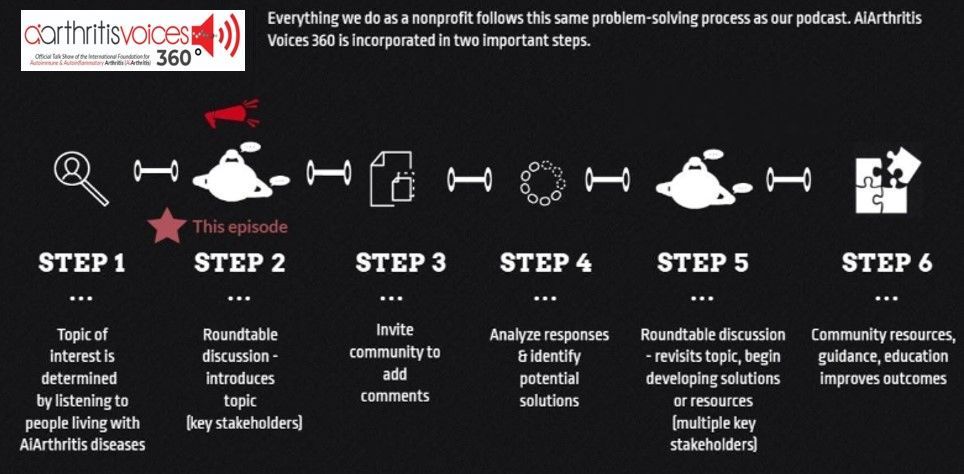
So with the [00:19:00] talk show, we'll start posting well ahead of time of any of the topics so you can weigh in, and we will report back what you all were talking about and choose the topics based on the patient need. Then we'll go back, we'll have the co-hosts, we'll have the guests go back to social media. Maybe we'll have webinars.
We'll have opportunities for you to come and talk too, and then we'll ca- capture more experience collection. And so that's just a, a, a perfect example of how we're gonna make sure that it is front and center in everything we do. So essentially, you know, we're not just collecting stories, we're identifying patterns that can drive change, and we need all of those voices, all of those experiences, all of those perspectives to be counted
Leila: Yes, and I think that, again, it's like so funny that we were
When we were going through this exercise, it was just like, "No, we, we know that we do this already, but how do we do this even better? How do we really see what are patients [00:20:00] actually struggling with, what support is missing, what, what solutions are needed most?" And those are the questions that we're trying to find the answers to.
And again, not just Tiffany's experience, Leila's experience, Vanessa's experience, Marc's experience, it's our experiences as a community as, uh, as whole- as a whole. And I think that that's, um, the biggest part about this, is being able to strategically filter this information through all of our programs and really being able to listen and do that on a bigger scale.
And again, we want to create resources and programs, um, for the community to ensure our resources, tools, and programs reflect the many different patient journeys, challenges, and lived realities across autoimmune and autoinflammatory arthritis diseases. And AiArthritis wants to amplify patient voices, improve healthcare conversations, identify those gaps [00:21:00] in care, improve disease management, and create me- measurable impact.
And all of this research throughout this year will be collected and put into a new annual AiArthritis Voices lived experience data report, and we want this to be a sought-out report for anyone who wants to know what mattered to patients in that year. Um, so look out for opportunities to be a part of this report, including our flagship survey that we will create, um, and encourage everyone to take part in worldwide, and that is gonna be coming really, really soon.
Um, but with World AiArthritis Day, we actually decided to dip our toes in, um, with a very brief, um, lived experience data survey or lived experience survey, um, that maybe a few of you in the, uh, chat have participated in But we wanted to also see, you know, if anybody on here wanted [00:22:00] to, uh, even answer the questions, uh, live here in the chat.
So we're gonna read some of the questions, um, that are on the survey so that you can...
Tiffany: Well, I've already run, I've already run a lot of this through analysis too. Oh. So I've got, I've got some, some top answers going on as well on my end.
Leila: Cool. Okay. So you know what I'm gonna do, I'm gonna make sure that we go ahead and, um, if one of our wonderful volunteers can put the link in the chat to the survey, that would be amazing, so that we can make sure that we have that there.
So if anybody else wants to participate by actually doing the survey, that would be great, and I also want to pull it up so that you guys can see what it looks like. And answer these questions Okay, so the first is gonna be which AiArthritis disease are you diagnosed with? How long did it take to receive a diagnosis after your symptoms began?[00:23:00]
Why, in your opinion, did it take as long as it did, whether it was short or, or long? Uh, what would you like to see change in that process of diagnosis? And lastly, what are the top three things about living with your AiArthritis disease would you wish that people would understand better? So those are the three questions that we asked.
There's like, well, one A, one B, you know, total of three questions. So we did get about 15 responses so far, and this survey will be open still until the rest of the month, so please, um, you know, if you haven't done it already, please do that or, um, share it to other people that you know who have our diseases.
And I am really excited and, um, ready to hear some of the top answers from the survey, Tip.
Tiffany: Yeah, absolutely. So if you wanna talk about that in the, in the chat, you know, please feel free. But, you know, it's really interesting to [00:24:00] see the range. There were quite a few that were diagnosed less than a year, which we love, but then if you look, what I love about listening to patients and having open communication and letting, like in surveys even, without just yes/no answers, and you let people talk, how much you can learn from that as well.
And so even some of the people who said d- diagnosed less, less than a year, it wasn't necessarily that their onset was less than a year, right? They got diagnosed once they got to a specialist, so their journey may have started a little bit longer ago. So I do think that those kind of things are worth talking about.
A lot of five years plus. And now I don't even know exactly how I would answer that because I was originally diagnosed, what? It was two years, but then it was more, then I didn't even get to undifferent ... I mean, I didn't even get to the non-radiographic axSpA for another few years. So, you know, my [00:25:00] journey is a little bit different as well.
Um, as far as the things that people wanted to see the most of, and the top things that they really wish that people would understand the most were that you can look fine and still be very sick. That was the number one response. Number two, fatigue is overwhelming. It is not normal tiredness. Number three, the pain is constant, severe, and hard to explain.
Number four, symptoms fluctuate unpredictably. And number five, this is not normal arthritis. It is not the same as old age disease, aging arthritis. So differentiation. It goes on and it, and it labels it down. But what do you think? What are the things that you wish that people understood? And we're taking this information from this particular question, and we need many
We'd like at least 100 people to be able to take it, and [00:26:00] then from that, we will infuse that into what we do for World AiArthritis Day and our efforts for awareness in 2027. So it's a very direct way of showing you exactly how what you're saying needs to be talked about. We might, throughout the year, create materials, blog posts, talk show episodes.
All of this is going to drive what we do. And then the diagnosis questions were added specifically because we wanted ... We're picking a segment to focus on, on that early diagnosis. What are still some of those triggers? Why are so many people mystery patients? If somebody does get an early diagnosis, why?
What happened? Was it great doctor-patient communication? A lot of things transpire out of there. I don't have the chat up, so I can't see if anybody is talking. But is there anything, um, Leila, that, that anybody has said or that you wanted to mention?
Leila: It seems, uh, Cheryl [00:27:00] says, "It seems like researchers are getting better at identifying early RA or preclinical RA.
I think looking back, I had a lot of systemic symptoms even before joint symptoms." Um, that's also similar with lupus that's going on as well too. So that is so great to see that diagnoses can start a lot earlier. Um, fatigue is more than typical tiredness. Yes, that is, you know, echoed in the chat. Uh, social interaction and fatigue don't mix very well.
Um, and pre-planning is key. I can't be spontaneous anymore. I need to make sure I get my nap. And we have Vanessa saying, "Same. I had MCTD for eight years and UCTD for two years now, but I personally feel like I am still trying to figure out what exactly is going on with me."
Tiffany: And, and when I lo- what I did, when I popped in the analysis of, of the reason, top reasons people believe their diagnosis were delayed for those who were delayed, not everybody [00:28:00] was delayed, the number one reason people think they were, had delayed diagnosis, doctors lacked knowledge or familiarity with complex diseases.
So, uh, this was the strongest theme. Many respondents said the physician just didn't recognize the disease, didn't understand the symptoms. Uh, number two, symptoms were invisible, vague, fluctuating. They didn't show up at the doctor's office. We've, I've been there before. Um, another, another one was difficulty accessing specialists and long wait time.
That's one that is a really, really important system level change, and when we're thinking of health equity and access to physicians and specialists, and there's a lot in people who live in rural areas. So there's a lot that goes into this, right? That a- as patients, we could talk just like we're doing now and start having these aha [00:29:00] moments.
If only this happened, maybe we could improve what we just said. That's the kind of thing that we're taking the experience collection to. It's another level. So we're not even stopping at these points. We're gonna converse about these and then come up with some solutions together.
Leila: Absolutely. So that is a wrap on our first early ic- uh, survey results of this survey.
Like we said, it's gonna be open for the rest of the month, and we do hope to get at least 100, uh, participants in the survey, so please help to share it out. I know that there's, uh, a lot of you out there that, you know, has a, a little community of those that you know who have our diseases, so if you could share it with them, we would really appreciate that so that we can, uh, make sure that we are getting, like we said, all of the perspectives, and that's super important for us.
And I that's a wrap. Uh, you know, we are running a little... a few minutes over [00:30:00] here. Um, but just a few more things to shout out before we end here. So stay tuned for our flagship survey, like we said, that's gonna be coming out here in, in, uh, sh- very shortly. Um, we are gonna be having a relaunch of the AiArthritis Voices program, which was our catch-all program that helped to give resources and, um, opportunities to patients.
But really, it's going to be about getting patients involved in our lived experience data and, um, you know, giving opportunities for that. So we're excited to relaunch that and have it infused in all of our different programs here at AiArthritis. And we are looking for more engagement so that your experience can drive impact for your healthcare journey and millions like you worldwide.
Um, any last-minute things to say, Tif, before we close out here?
Tiffany: I just want to thank everybody so much. I know I've seen some messages asking for the survey link, so, uh, we'll make sure that we get that to [00:31:00] everybody. And just thank you all so much for tuning in. Thank you for supporting AiArthritis. If you want to continue to support us, always feel free to go to our website at aiarthritis.org/donate.
Hit that big red button and show, show us some love, especially on this, this amazing day that we initiated, we came up with because we as a patient community said there is a need to differentiate arthritis types. So you made this day happen. We, we made this day continue, and together we'll just keep building it and making it better and better so mo- more people live with awareness as they so well deserve.
So thank you all so much for joining into this episode of AiArthritis Voices 360.
Leila: At AiArthritis, we don't just represent the patient voice, we are the patient voice, and with your support we can amplify it even further. If you found value in this talk show, consider making a donation to help us continue producing impactful conversations, bringing all stakeholders to the table [00:32:00] to discuss patient-identified issues and patient-infused solutions.
Visit aiarthritis.org/donate and help us make a difference together. Thank you again for tuning into this episode of AiArthritis Voices 360. You can find AiArthritis on all major social media platforms at IFAiArthritis, and we'll see you here next month for the next episode of AiArthritis Voices 360.
Intro: AiArthritis Voices 360 is produced by the International Foundation for Autoimmune and Autoinflammatory Arthritis. Find us on the web at www.aiarthritis.org. Also, be sure to subscribe to this podcast and stay up to date on all the latest AiArthritis news and events.