



Axial Spondyloarthritis (axSpA)
Cómo pronunciarlo:
Anquilosante -
ank-kih-low-sing,Axial -
ak-si-uhl,
Espondiloartritis - espondi-lo-ar-tri-tis, Espondilitis -
spaan-duh-lie-tuh
AiArthritis defines Axial Spondyloarthritis as:
Axial Spondyloarthritis (axSpA) is a condition that mainly affects the spine and the area where your pelvis meets your spine. It can also affect organs like the eyes and intestines.
There are two types:
- Non-radiographic axSpA: No visible damage on x-rays.
- Ankylosing Spondylitis (AS): Damage can be seen on x-rays.

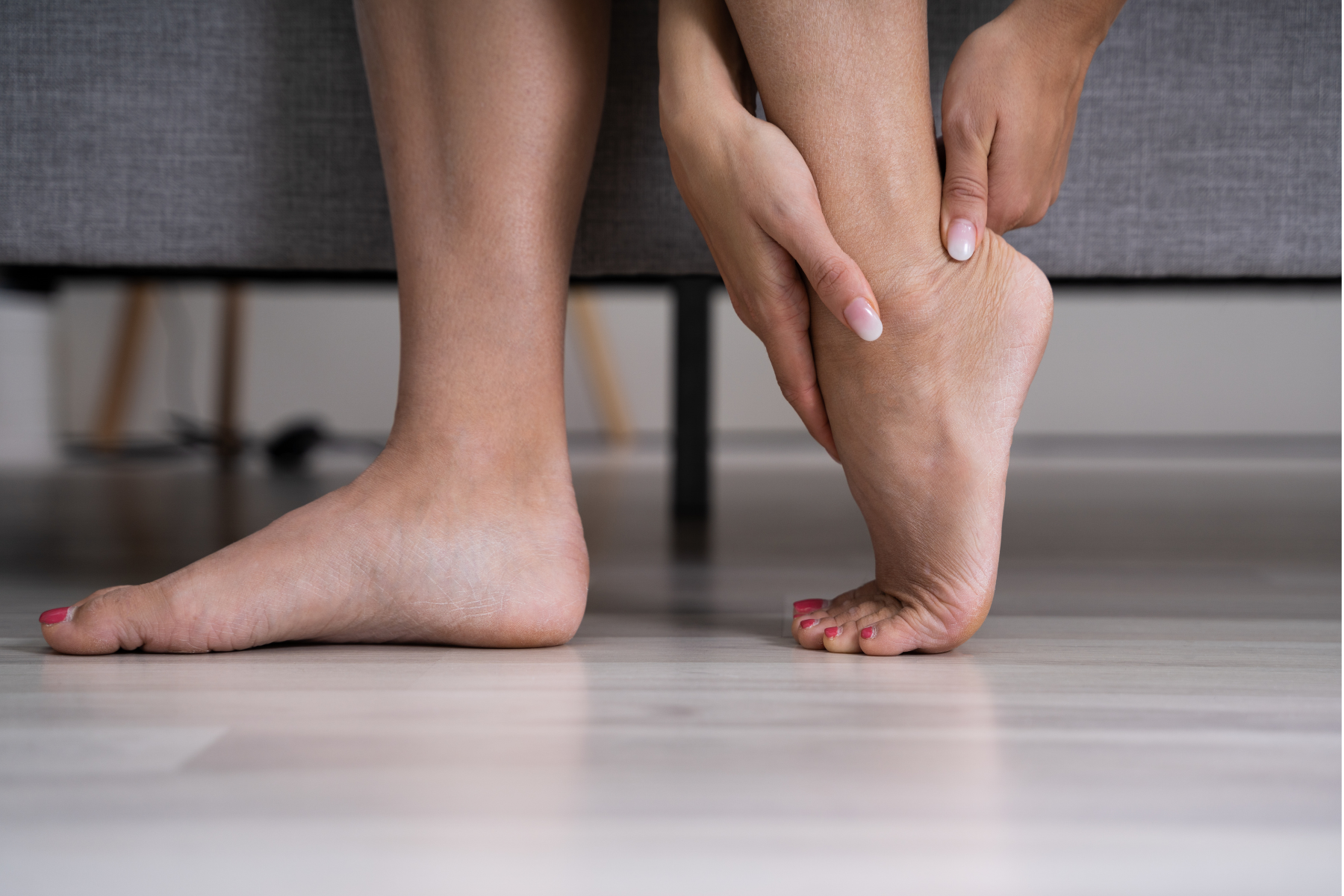

Symptoms & Characteristics
Common in All AiArthritis Diseases
Flares: Periods of worsening symptoms are called flares. A flare can last for hours, days, weeks, or months.
Physical Activity: Condition improves with activity and exercise and worsens with rest.
Comorbidities: When inflammation is left uncontrolled due to lack of proper treatment, comorbidities can develop. 70% of patients with chronic, lifelong disease will develop comorbidities, including dual or triple diagnoses.
Family History:
Autoimmune diseases often run in families, indicating a potential genetic predisposition where that gene can cause disease. Autoinflammatory diseases can occur multiple times in a family, but is based off of genetic mutation. It is not a gene that causes the disease— but a mutation on the gene that can cause the disease which can then be passed on to the next generation.
"Auto" Symptoms
Fatiga: Fatiga o agotamiento severo que puede no aliviarse con cafeína o estimulantes y que puede presentarse incluso después de un largo período de descanso.
Disfunción cognitiva: Niebla mental o periodos de tiempo en los que el pensamiento se nubla y resulta difícil concentrarse.
Síntomas similares a los de la gripe: Sin tener gripe: náuseas, debilidad muscular y malestar general.
Fiebre: Por lo general, el grado es bajo en las enfermedades autoinmunes (con excepción de la artritis idiopática juvenil) y el grado es más alto en las autoinflamatorias (el porcentaje varía mucho según la enfermedad).
Referencia: Estudio sobre los primeros síntomas de la artritis inducida por adyuvante, AiArthritis, 2019.
Inflammatory Arthritis Symptoms
Stiffness: Severe stiffness in one or more joints, especially in the morning or after sitting for long periods of time.
Joint Pain: Episodes of joint pain that may last for hours, days, or even weeks, that can appear and disappear suddenly. Often described as “jumping pain” into different locations.
Typically the joint pain will coincide with one or more “Auto” symptoms and start and stop suddenly - for no apparent reason (which is called a "flare"). Some people will experience all of the above symptoms, others only a few.
If you have any of the arthritis features, and at least one of the “Auto” features, please consult your physician about a referral to a specialist.
Symptoms Often Associated with Axial Spondyloarthrtis
- Lower back pain and stiffness in the hip joint
- Enthesitis: inflammation of tendon or ligament
- Uveitis: Inflammation inside the eye
- Dactylitis: Inflammation in fingers and toes
- Limited spinal flexibility
There is no single test to confirm non-radiographic axial spondyloarthritis (AxSpA). Rheumatologists use a combination of tools: physical exams, blood tests, and MRI imaging, along with family history of autoimmune diseases. AxSpA tends to run in families, so doctors will also check for inflammation in the sacroiliac joints. In cases of ankylosing spondylitis (AS), radiographic damage in the spine is visible on x-rays. While the HLA-B27 gene is more common in people with radiographic damage, it is not required for an AxSpA diagnosis.
Doctors may also use a points system from the American College of Rheumatology (ACR) and European Alliance of Associations for Rheumatology (EULAR) to support their diagnosis.
- Envía TU consejo
- A warning sign of the disease or that it is worsening - you'll suddenly feel like you need a new mattress or pillow because you wake up in so much pain. "Suddenly uncomfortable when it used to be comfortable."
- It literally may be a pain in your butt. (Your tailbone area is tender). You may at times need to sit on a donut (blow up or cushion with a hole cut out of the center).
- It may become very hard to stand for long periods of time due to very low (buttocks) back pain. When flaring, consider using a high chair/barstool when able to stop the pressure on your low back.
- Some of the earliest known cases of ankylosing spondylitis (AS) have been found in Egyptian mummies, showing that this condition has been around for millennia. The characteristic fusion of the spine was first noted in skeletal remains, highlighting AS’s ancient origins.
- The discovery of the HLA-B27 gene in the 1970s was a major breakthrough in understanding AS. The presence of this genetic marker significantly increases the risk of developing AS, although not all individuals with HLA-B27 will develop the condition.
- Prior to around 2012, only ankylosing spondylitis was the official diagnosis, but since then non-radiographic was added. This has resulted in many people still being misdiagnosed (for example with sero-negative, or negative blood work, rheumatoid arthritis) and others who call their diagnosis ankylosing spondylitis but who do not have radiographic damage (so they are likely nr-AxSpA in the larger Axial Spondylitis umbrella).
- World Autoimmune and Autoinflammatory Arthritis Day - May 20th
- Autoimmune Awareness Month - March
- World AS Day - 1st Saturday of May
- Spondyloarthritis Awareness Month - May
- Arthritis Awareness Month (US) - May
- Arthritis Awareness Month (Canada) - September
- World Arthritis Day - October 12th
- Rheumatic Disease Awareness Month - September
- Pain Awareness Month - September
- Chronic Disease Awareness Day - July 10th
- Invisible Disabilities Week - 3rd full week of October
- Axial Spondyloarthritis International Federation
- Spondylitis Association of America
- National Spondyloarthritis Society (UK)
- Arthritis Foundation
- Versus Arthritis
- Arthritis Society Canada
- Autoimmune Association
- Arthritis Research Canada
- American College of Rheumatology
- Rheumatology Research Foundation
- CreakyJoints
In an effort to ensure this page has the most accurate and up-to-date information, this page is currently awaiting medical review. Some information is subject to change.
Page Last Updated: 10/24/2024