



Familial Mediteranean Fever (FMF)
AiArthritis defines Familial Mediterranean Fever as:
FMF is a genetic disorder that causes repeated episodes of pain and inflammation in the abdomen, chest, joints, and skin, along with fever. It mostly affects people from Mediterranean backgrounds, such as Arab, Armenian, Turkish, and Sephardic Jewish populations. FMF comes in two types:
- FMF Type 1: Causes recurring inflammation and symptoms like fever, abdominal pain, chest pain, and joint pain. If not treated, it can lead to kidney problems due to a buildup of a protein called amyloidosis.
- FMF Type 2: The main symptom is amyloidosis, even if other FMF symptoms aren’t present.


Symptoms & Characteristics
Common in All AiArthritis Diseases
Flares: Periods of worsening symptoms are called flares. A flare can last for hours, days, weeks, or months.
Physical Activity: Condition improves with activity and exercise and worsens with rest.
Comorbidities: When inflammation is left uncontrolled due to lack of proper treatment, comorbidities can develop. 70% of patients with chronic, lifelong disease will develop comorbidities, including dual or triple diagnoses.
Family History:
Autoimmune diseases often run in families, indicating a potential genetic predisposition where that gene can cause disease. Autoinflammatory diseases can occur multiple times in a family, but is based off of genetic mutation. It is not a gene that causes the disease— but a mutation on the gene that can cause the disease which can then be passed on to the next generation.
"Auto" Symptoms
Fatiga: Fatiga o agotamiento severo que puede no aliviarse con cafeína o estimulantes y que puede presentarse incluso después de un largo período de descanso.
Disfunción cognitiva: Niebla mental o periodos de tiempo en los que el pensamiento se nubla y resulta difícil concentrarse.
Síntomas similares a los de la gripe: Sin tener gripe: náuseas, debilidad muscular y malestar general.
Fiebre: Por lo general, el grado es bajo en las enfermedades autoinmunes (con excepción de la artritis idiopática juvenil) y el grado es más alto en las autoinflamatorias (el porcentaje varía mucho según la enfermedad).
Referencia: Estudio sobre los primeros síntomas de la artritis inducida por adyuvante, AiArthritis, 2019.
Inflammatory Arthritis Symptoms
Stiffness: Severe stiffness in one or more joints, especially in the morning or after sitting for long periods of time.
Joint Pain: Episodes of joint pain that may last for hours, days, or even weeks, that can appear and disappear suddenly. Often described as “jumping pain” into different locations.
Typically the joint pain will coincide with one or more “Auto” symptoms and start and stop suddenly - for no apparent reason (which is called a "flare"). Some people will experience all of the above symptoms, others only a few.
If you have any of the arthritis features, and at least one of the “Auto” features, please consult your physician about a referral to a specialist.
Symptoms Often Associated with Familial Mediterranean Fever
- Abdominal pain
- Chest pain (due to pericarditis)
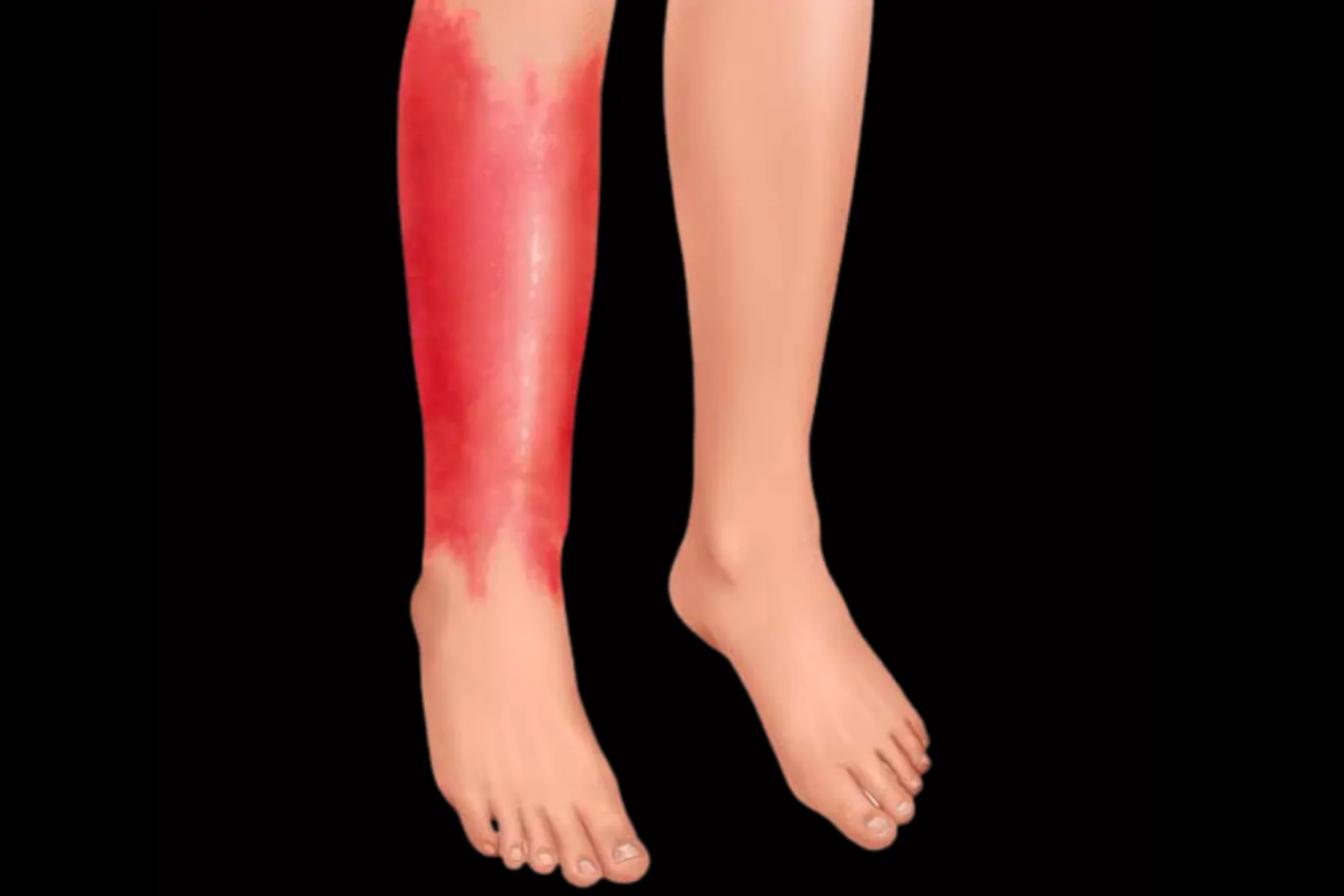
- Skin rash, usually on the legs, which looks like erysipelas (a skin infection)
- Muscle pain and weakness
- Testicular pain
- Amyloidosis
(protein buildup that can harm the kidneys)
No existe una única prueba que confirme el diagnóstico de fiebre mediterránea familiar (FMF), por lo que los reumatólogos se basan en una combinación de exámenes físicos, pruebas genéticas para detectar mutaciones en el gen MEFV y antecedentes familiares de enfermedades autoinmunes o autoinflamatorias, así como en la etnia, dado que la FMF es más común en ciertas poblaciones. Si bien las pruebas genéticas para detectar la mutación del gen MEFV son importantes, la ausencia de mutaciones no descarta por completo la FMF. En algunos casos, los médicos pueden iniciar el tratamiento con colchicina para observar si los síntomas mejoran, ya que una respuesta positiva puede sugerir fuertemente un diagnóstico de FMF.
The Tel-Hashomer criteria are also used to aid in diagnosis. Patients must meet more than one major criteria or more than two minor criteria:
Major criteria:
- Attacks of generalized peritonitis
- Pleuritis (unilateral) or pericarditis
- Monoarticular arthritis of the hip, knee, or ankle
- Fever as the only symptom
- Incomplete abdominal attacks
Minor criteria:
- Ataques incompletos que afectan a las articulaciones, el pecho o ambos
- Dolor en las piernas al realizar esfuerzos
- Respuesta favorable al tratamiento con colchicina
- Los ataques típicos son recurrentes (al menos tres episodios del mismo tipo), febriles (temperatura rectal ≥ 38 °C) y de corta duración (de 12 horas a 3 días)
Complete attacks are painful, recurrent, and usually follow a predictable pattern, but they may differ in some features, such as lower temperatures (< 38° C), variation in attack length (6 hours to 1 week), or atypical symptoms like localized abdominal attacks or arthritis in joints other than the hip, knee, or ankle.
Though there are no specific ACR or EULAR guidelines for FMF, these organizations emphasize comprehensive evaluation, including genetic testing and clinical response to treatments like Colchicine, to ensure an accurate diagnosis and proper management of the disease.
Opciones de tratamiento para la fiebre mediterránea familiar
- Envía TU consejo
¡Necesitamos TU consejo! Rellena este formulario para ofrecer consejos a quienes padecen tu misma enfermedad.
- FMF was first described in the early 20th century, observed in populations around the Mediterranean Sea, particularly Armenians, Sephardic Jews, and Turks. The name reflects its geographic and genetic prevalence in families of Mediterranean origin, where it presents as periodic fevers and inflammation.
- Afección ancestral: Es probable que la FMF haya existido durante miles de años, y algunos textos antiguos describen enfermedades similares.
- High Carrier Frequency: In some places like Armenia, about 1 in 5 people carry a mutation related to FMF.
- Presencia global: Si bien se la conoce como fiebre "mediterránea", se ha detectado en personas de diversas etnias en todo el mundo.
- World Autoimmune and Autoinflammatory Arthritis Day - May 20th
- Rare Disease Day - February 29th (28th)
- Autoimmune Awareness Month - March
- Rheumatic Disease Awareness Month - September
- Pain Awareness Month - September
- Chronic Disease Awareness Day - July 10th
- Invisible Disabilities Week - 3rd full week of October
Con el fin de garantizar que esta página tenga la información más precisa y actualizada, esta página es... Actualmente a la espera de una evaluación médica. Parte de la información está sujeta a cambios.
Última actualización de la página: 31/10/2024