



Juvenile Arthritis
AiArthritis defines Juvenile Arthritis as:
A term used to define juvenile onset disease (younger than age 16) that affects children and adolescents. There are juvenile versions of almost of the diseases under our AiArthritis disease umbrella (i.e., lupus, sjogren's disease, etc.). What was once called juvenile rheumatoid arthritis in now referred to as Juvenile Idiopathic Arthritis (JIA), which involves many subgroups and is not specific to a juvenile version of rheumatoid arthritis.
JIA is the most common rheumatic disease in childhood. The term "idiopathic" means that the cause of the condition is unknown.

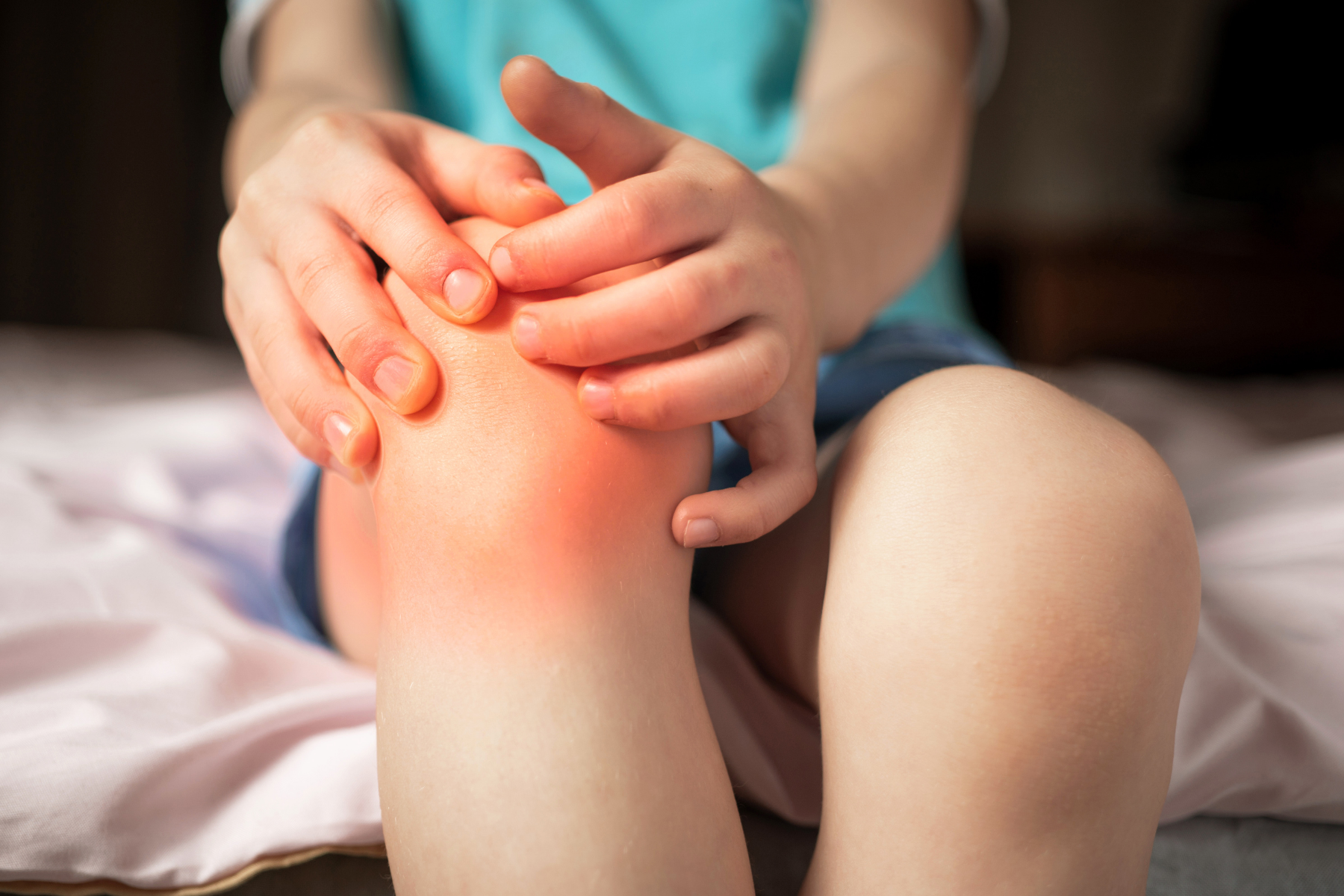
Varios subtipos se engloban dentro del término AIJ, entre ellos:
- Oligoarthritis: the most common subtype that affects four or fewer joints, typically including the knees, elbows, or ankles. Oligoarthritis can be further divided into:
- Persistent: affecting a limited number of joints throughout the disease course
- Extended: involving more joints after the initial presentation
- Polyarthritis: affects five or more joints, often both sides of the body.
- Systemic: involves the entire body with symptoms such as high fever, rash, and inflammation of internal organs. The fever is usually daily, and the rash may be evanescent, meaning it comes and goes. Systemic JIA can affect multiple joints and can have more systemic complications.
- Undifferentiated : this category is used when the features of JIA do not fit into one specific subtype. It may include children who do not meet the criteria for any of the other subtypes or exhibit features of more than one subtype. Inflammation is present in one or more joints for at least 6 weeks.
- Enthesitis-Related Arthritis: Enthesitis refers to inflammation where tendons or ligaments attach to bones. This subtype of JIA involves inflamed enthesitis and usually arthritis/joints, too - but not always. Enthesitis can occur often in various parts of the body, like the chest or feet. Subgroups ERA may evolve into:
- Juvenile Axial Spondyloarthritis. Specifically affecting the spine/lower back.
- Juvenile Psoriatic Arthritis: Characterized by both arthritis (and likely enthesitis) and psoriasis or a family history of psoriasis. Psoriasis is a skin condition that causes red, scaly patches.
Symptoms & Characteristics
Common in All AiArthritis Diseases
Flares: Periods of worsening symptoms are called flares. A flare can last for hours, days, weeks, or months.
Physical Activity: Condition improves with activity and exercise and worsens with rest.
Comorbidities: When inflammation is left uncontrolled due to lack of proper treatment, comorbidities can develop. 70% of patients with chronic, lifelong disease will develop comorbidities, including dual or triple diagnoses.
Family History:
Autoimmune diseases often run in families, indicating a potential genetic predisposition where that gene can cause disease. Autoinflammatory diseases can occur multiple times in a family, but is based off of genetic mutation. It is not a gene that causes the disease— but a mutation on the gene that can cause the disease which can then be passed on to the next generation.
"Auto" Symptoms
Fatiga: Fatiga o agotamiento severo que puede no aliviarse con cafeína o estimulantes y que puede presentarse incluso después de un largo período de descanso.
Disfunción cognitiva: Niebla mental o periodos de tiempo en los que el pensamiento se nubla y resulta difícil concentrarse.
Síntomas similares a los de la gripe: Sin tener gripe: náuseas, debilidad muscular y malestar general.
Fiebre: Por lo general, el grado es bajo en las enfermedades autoinmunes (con excepción de la artritis idiopática juvenil) y el grado es más alto en las autoinflamatorias (el porcentaje varía mucho según la enfermedad).
Referencia: Estudio sobre los primeros síntomas de la artritis inducida por adyuvante, AiArthritis, 2019.
Inflammatory Arthritis Symptoms
Stiffness: Severe stiffness in one or more joints, especially in the morning or after sitting for long periods of time.
Joint Pain: Episodes of joint pain that may last for hours, days, or even weeks, that can appear and disappear suddenly. Often described as “jumping pain” into different locations.
Typically the joint pain will coincide with one or more “Auto” symptoms and start and stop suddenly - for no apparent reason (which is called a "flare"). Some people will experience all of the above symptoms, others only a few.
If you have any of the arthritis features, and at least one of the “Auto” features, please consult your physician about a referral to a specialist.
Other Symptoms Often Associated with Juvenile Idiopathic Arthritis
- Eye inflammation (uveitis)
- Decreased appetite, poor weight gain, and slow growth
- Varied grades of fever (high in systemic, low in other types)
- Swollen lymph nodes (in systemic JIA or juvenile versions of Sjogren's Disease or Lupus)
- Skin changes (rash, scaly red patches of skin)
Those with juvenile versions of other diseases under the AiArthritis disease umbrella may have symptoms specific to those diseases.
There’s no single test that can confirm a juvenile idiopathic arthritis (JIA) diagnosis, so rheumatologists use a combination of physical exams, blood tests (including erythrocyte sedimentation rate [ESR], C-reactive protein [CRP], Anti-Nuclear Antibody [ANA], and Rheumatoid Factor [RF]), as well as imaging studies and family history of autoimmune or autoinflammatory diseases.
Las pruebas adicionales pueden incluir análisis de orina, aspiraciones articulares y exámenes oculares, especialmente para detectar complicaciones como la uveítis, que puede ocurrir con ciertos tipos de artritis idiopática juvenil (AIJ).
Si bien no existen directrices específicas de la ACR o la EULAR exclusivamente para el diagnóstico de la artritis idiopática juvenil (AIJ), ambas organizaciones destacan la importancia del diagnóstico precoz mediante una evaluación clínica exhaustiva, respaldada por resultados de laboratorio e imágenes, para distinguir la AIJ de otras formas de artritis y garantizar un tratamiento adecuado.
Juvenile versions of other diseases under the AiArthritis umbrella may have specific diagnosis criteria for those diseases.
- Envía TU consejo
¡Necesitamos TU consejo! Rellena este formulario para ofrecer consejos a quienes padecen tu misma enfermedad.
Datos interesantes sobre la artritis idiopática juvenil
JIA was previously known as juvenile rheumatoid arthritis, but the name was changed to Juvenile Idiopathic Arthritis to reflect its unknown (“idiopathic”) cause and its distinction from adult rheumatoid arthritis. The disease was first studied in detail in the early 20th century, when it was recognized as a distinct form of arthritis affecting children.
- World Autoimmune and Autoinflammatory Arthritis Day - May 20th
- Rare Disease Day - February 29th (28th)
- Autoimmune Awareness Month - March
- Rheumatic Disease Awareness Month - September
- Pain Awareness Month - September
- Chronic Disease Awareness Day - July 10th
- Invisible Disabilities Week - 3rd full week of October
Con el fin de garantizar que esta página tenga la información más precisa y actualizada, esta página es... Actualmente a la espera de una evaluación médica. Parte de la información está sujeta a cambios.
Última actualización de la página: 31/10/2024