



Systemic Sclerosis (Scleroderma)
How to pronounce it: Scleroderma - sklair-oh-DUR-muh
Systemic -
suh-steh-muhk Sclerosis -
sklr-ow-suhs
AiArthritis defines Scleroderma as:
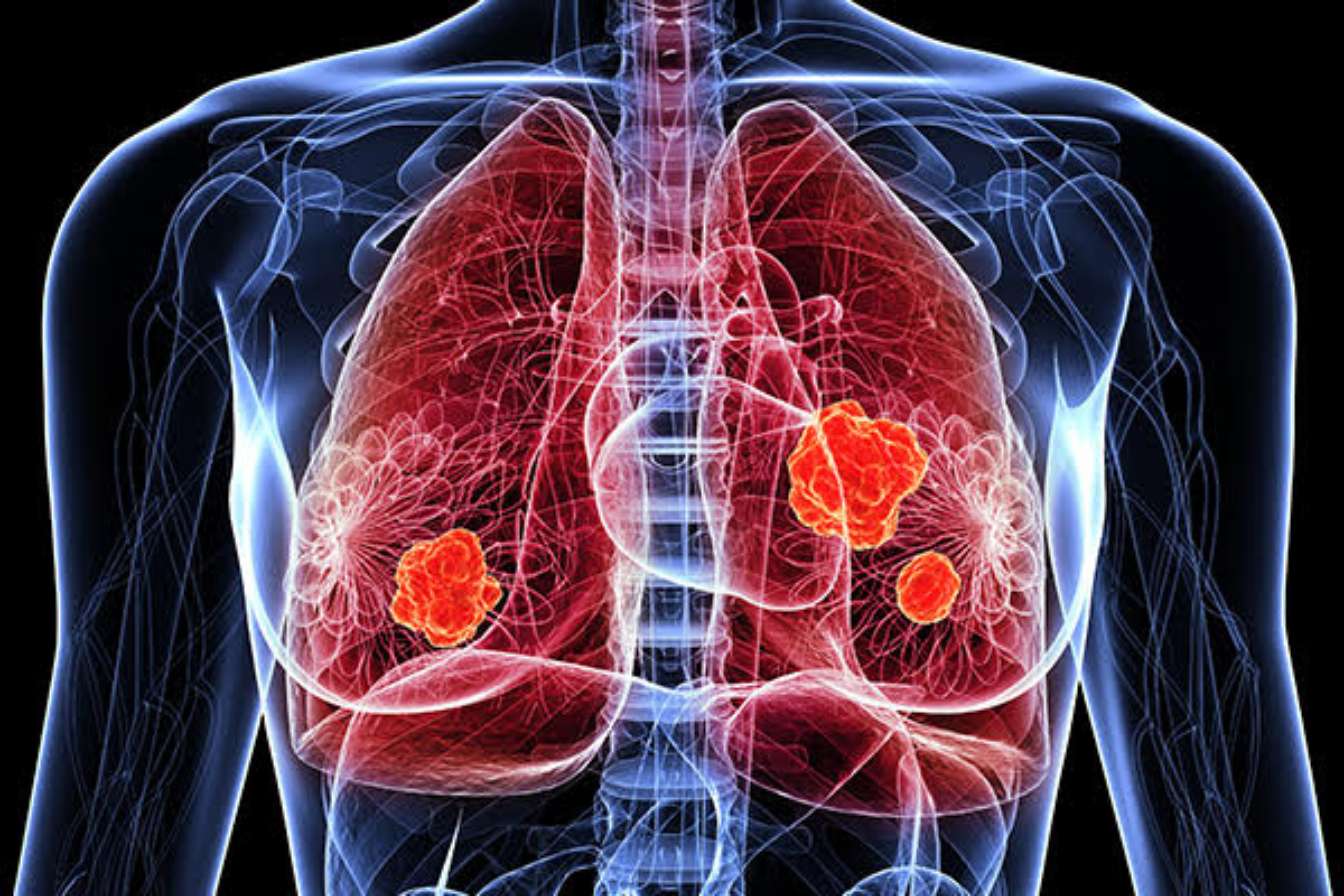
Scleroderma, also called systemic sclerosis, is a group of rare diseases that cause hardening and tightening of the skin. It can also affect internal organs and blood vessels.
Symptoms & Characteristics
Common in All AiArthritis Diseases
Flares: Periods of worsening symptoms are called flares. A flare can last for hours, days, weeks, or months.
Physical Activity: Condition improves with activity and exercise and worsens with rest.
Comorbidities: When inflammation is left uncontrolled due to lack of proper treatment, comorbidities can develop. 70% of patients with chronic, lifelong disease will develop comorbidities, including dual or triple diagnoses.
Family History:
Autoimmune diseases often run in families, indicating a potential genetic predisposition where that gene can cause disease. Autoinflammatory diseases can occur multiple times in a family, but is based off of genetic mutation. It is not a gene that causes the disease— but a mutation on the gene that can cause the disease which can then be passed on to the next generation.
"Auto" Symptoms
Fatiga: Fatiga o agotamiento severo que puede no aliviarse con cafeína o estimulantes y que puede presentarse incluso después de un largo período de descanso.
Disfunción cognitiva: Niebla mental o periodos de tiempo en los que el pensamiento se nubla y resulta difícil concentrarse.
Síntomas similares a los de la gripe: Sin tener gripe: náuseas, debilidad muscular y malestar general.
Fiebre: Por lo general, el grado es bajo en las enfermedades autoinmunes (con excepción de la artritis idiopática juvenil) y el grado es más alto en las autoinflamatorias (el porcentaje varía mucho según la enfermedad).
Referencia: Estudio sobre los primeros síntomas de la artritis inducida por adyuvante, AiArthritis, 2019.
Inflammatory Arthritis Symptoms
Stiffness: Severe stiffness in one or more joints, especially in the morning or after sitting for long periods of time.
Joint Pain: Episodes of joint pain that may last for hours, days, or even weeks, that can appear and disappear suddenly. Often described as “jumping pain” into different locations.
Typically the joint pain will coincide with one or more “Auto” symptoms and start and stop suddenly - for no apparent reason (which is called a "flare"). Some people will experience all of the above symptoms, others only a few.
If you have any of the arthritis features, and at least one of the “Auto” features, please consult your physician about a referral to a specialist.
Symptoms Often Associated with Scleroderma
- Endurecimiento y tensado de la piel
- Hinchazón y picazón
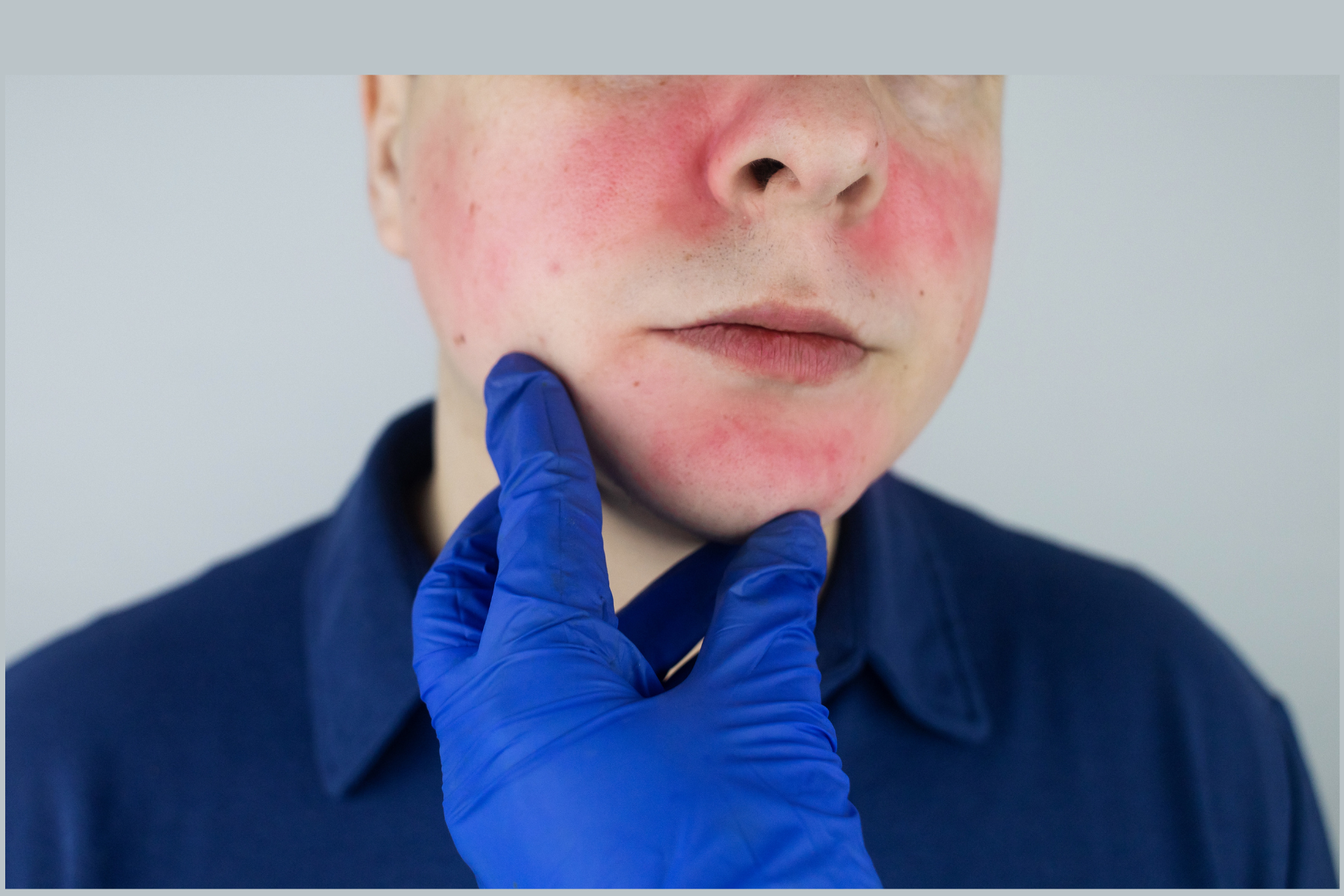
- Pequeñas manchas rojas: (telangiectasias) en las manos y la cara
- Depósitos de calcio: se forman debajo de la piel, especialmente en las yemas de los dedos, causando protuberancias que se pueden ver en las radiografías.
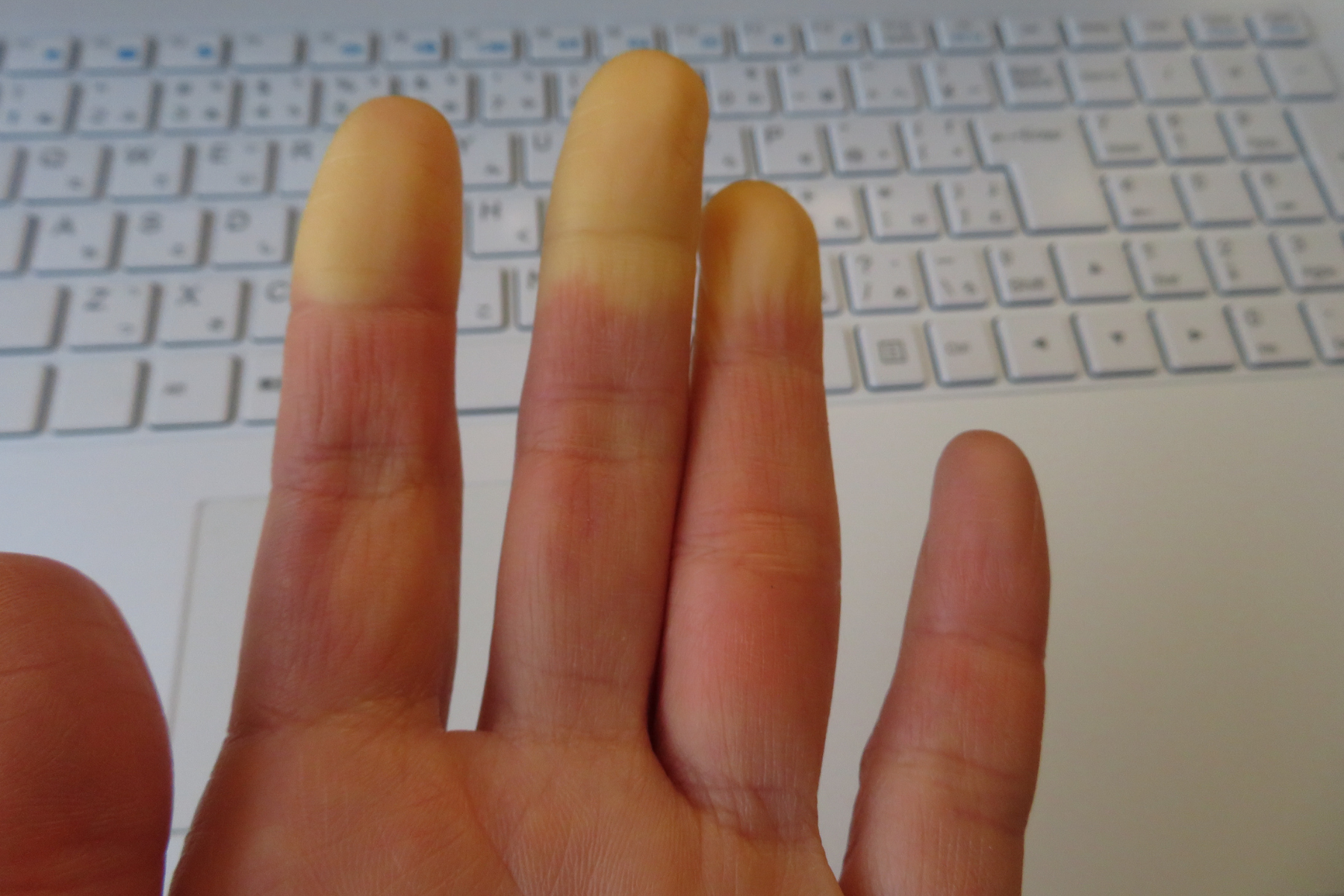
- Fenómeno de Raynaud: Dedos de manos y pies que se vuelven blancos o azules al exponerse al frío o durante períodos de estrés.
- Acidez
- Dificultad para tragar
- Síntomas gastrointestinales: hinchazón abdominal, diarrea, estreñimiento, incontinencia fecal
- Dificultad para respirar
- Disminución de la tolerancia al ejercicio
- Mareo
- Hipertensión pulmonar
- Arritmia
There’s no single test that can confirm a Systemic Sclerosis (Scleroderma) diagnosis, so rheumatologists rely on a combination of physical exams, blood tests, and imaging (such as MRI), along with a family history of autoimmune diseases.
Common tests for diagnosing Scleroderma include:
- ANA (Antinuclear Antibody) Assay: A blood test to detect the presence of autoantibodies.Nailfold Capillary Test: Used to examine the small blood vessels near the fingernails.
- Skin Tests (Modified Rodnan Skin Score): Measures the thickness of the skin in specific areas of the body.
- Pulmonary (Lung) Function Tests: Evaluates lung capacity and function.
- Pulmonary Arterial Hypertension (PAH) Tests: Assesses for signs of high blood pressure in the lungs.
- Upper GI Testing: Used to detect issues in the digestive tract, often affected by Scleroderma.
These tests help provide a comprehensive assessment for diagnosing and managing Scleroderma.
- Envía TU consejo
¡Necesitamos TU consejo! Rellena este formulario para ofrecer consejos a quienes padecen tu misma enfermedad.
Datos interesantes sobre la esclerodermia
- La esclerodermia, que significa "piel dura", proviene de las palabras griegas "sclero" (duro) y "derma" (piel), y fue descrita por primera vez en el siglo XVIII por el médico italiano Carlo Curzio. El nombre hace referencia al engrosamiento y endurecimiento de la piel, la característica más visible de la enfermedad. Posteriormente se descubrió que esta enfermedad autoinmune también puede afectar a los órganos internos mediante la producción excesiva de colágeno.
- The name scleroderma comes from the Greek words skleros, which means hard, and derma, which means skin
- Twins and family members of those with scleroderma or other autoimmune connective tissue diseases, such as lupus, may have a slightly higher risk of getting scleroderma.
- Aunque más del 95% de los pacientes con esclerodermia padecen el síndrome de Raynaud, las probabilidades de que una persona con Raynaud desarrolle esclerodermia son bajas: menos del 2% en mujeres y el 6% en hombres.
- World Autoimmune and Autoinflammatory Arthritis Day - May 20th
- Rare Disease Day - February 29th (28th)
- Autoimmune Awareness Month - March
- Scleroderma Awarness Month - June
- World Scleroderma Day - June 29
- Rheumatic Disease Awareness Month - September
- Pain Awareness Month - September
- Chronic Disease Awareness Day - July 10th
- Invisible Disabilities Week - 3rd full week of October
Con el fin de garantizar que esta página tenga la información más precisa y actualizada, esta página es... Actualmente a la espera de una evaluación médica. Parte de la información está sujeta a cambios.
Última actualización de la página: 31/10/2024