



Systemic Lupus Erythematosus (SLE)
How to pronounce it:
Lupus - loo·puhs,
Erythematosus - ery-the-mato-sus
AiArthritis defines Systemic Lupus Erythematosus as:
Lupus is a disease where the immune system attacks healthy parts of your body, like joints, skin, and organs. It can be unpredictable, with periods where it gets worse (flares) and times when it gets better.

Symptoms & Characteristics
Common in All AiArthritis Diseases
Flares: Periods of worsening symptoms are called flares. A flare can last for hours, days, weeks, or months.
Physical Activity: Condition improves with activity and exercise and worsens with rest.
Comorbidities: When inflammation is left uncontrolled due to lack of proper treatment, comorbidities can develop. 70% of patients with chronic, lifelong disease will develop comorbidities, including dual or triple diagnoses.
Family History:
Autoimmune diseases often run in families, indicating a potential genetic predisposition where that gene can cause disease. Autoinflammatory diseases can occur multiple times in a family, but is based off of genetic mutation. It is not a gene that causes the disease— but a mutation on the gene that can cause the disease which can then be passed on to the next generation.
"Auto" Symptoms
Fatigue: Severe fatigue or exhaustion that may not be helped by caffeine/stimulants and can happen even after a long period of rest.
Cognitive Dysfunction: Brain fog or periods of time where thinking gets clouded and it becomes difficult to concentrate.
Flu-like symptoms: Without having the flu- nausea, muscle weakness, and general malaise.
Fever: Typically low grade in autoimmune (with exception of juvenile idiopathic arthritis) and higher grade in autoinflammatory (% strongly varies per disease).
Reference: Early Symptoms of AiArthritis Study, AiArthritis, 2019.
Inflammatory Arthritis Symptoms
Stiffness: Severe stiffness in one or more joints, especially in the morning or after sitting for long periods of time.
Joint Pain: Episodes of joint pain that may last for hours, days, or even weeks, that can appear and disappear suddenly. Often described as “jumping pain” into different locations.
Typically the joint pain will coincide with one or more “Auto” symptoms and start and stop suddenly - for no apparent reason (which is called a "flare"). Some people will experience all of the above symptoms, others only a few.
If you have any of the arthritis features, and at least one of the “Auto” features, please consult your physician about a referral to a specialist.
Symptoms Often Associated with Lupus
- Sensitivity to sunlight or fluorescent light causing rash or lesions
- Hair loss or thinning
- Depression and anxiety
- Raynaud’s phenomenon: Fingers and toes that turn white or blue when exposed to cold or during stressful periods
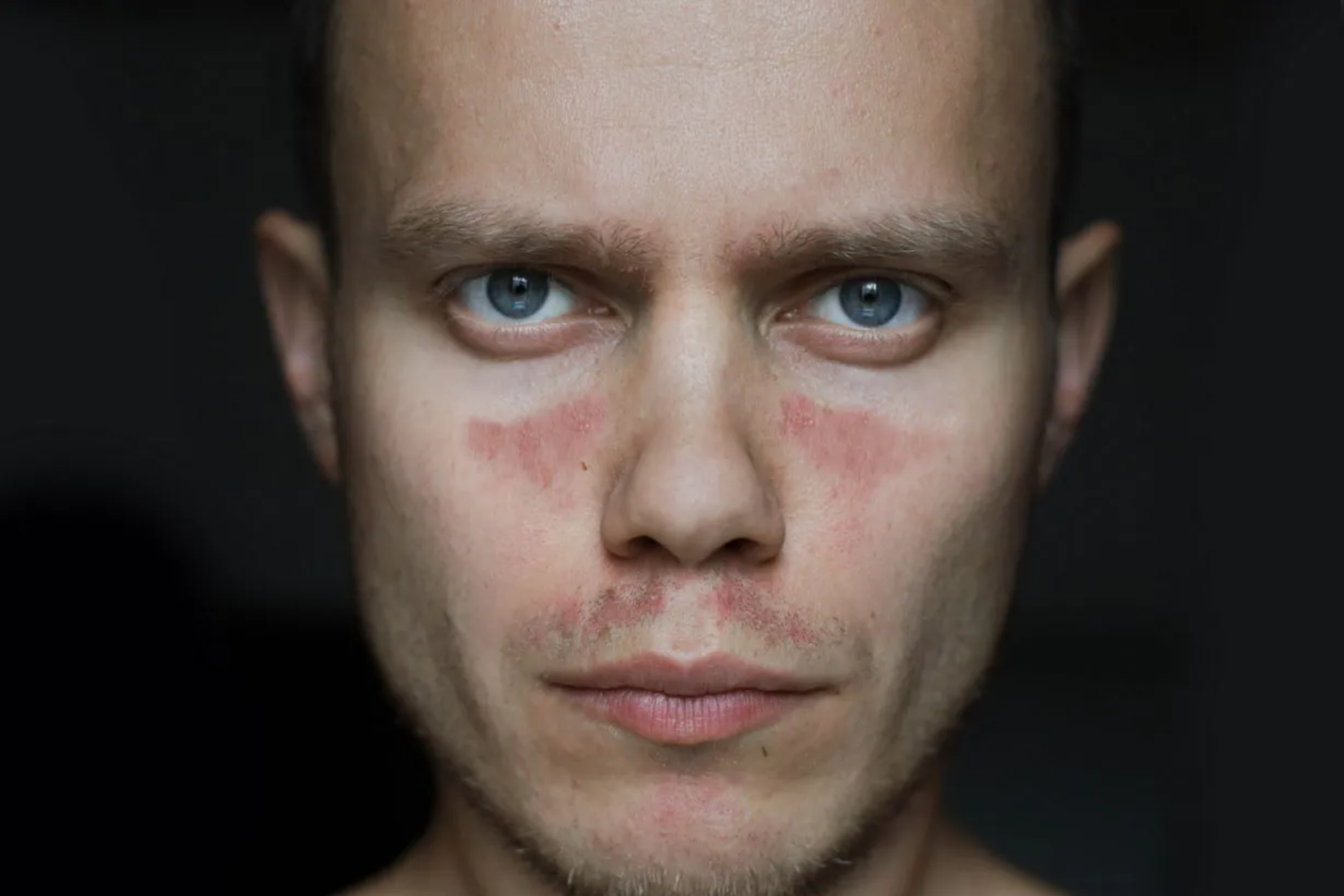
- Butterfly-shaped rash over the cheeks: referred to as malar rash
- Mouth sores
- Lung or heart inflammation
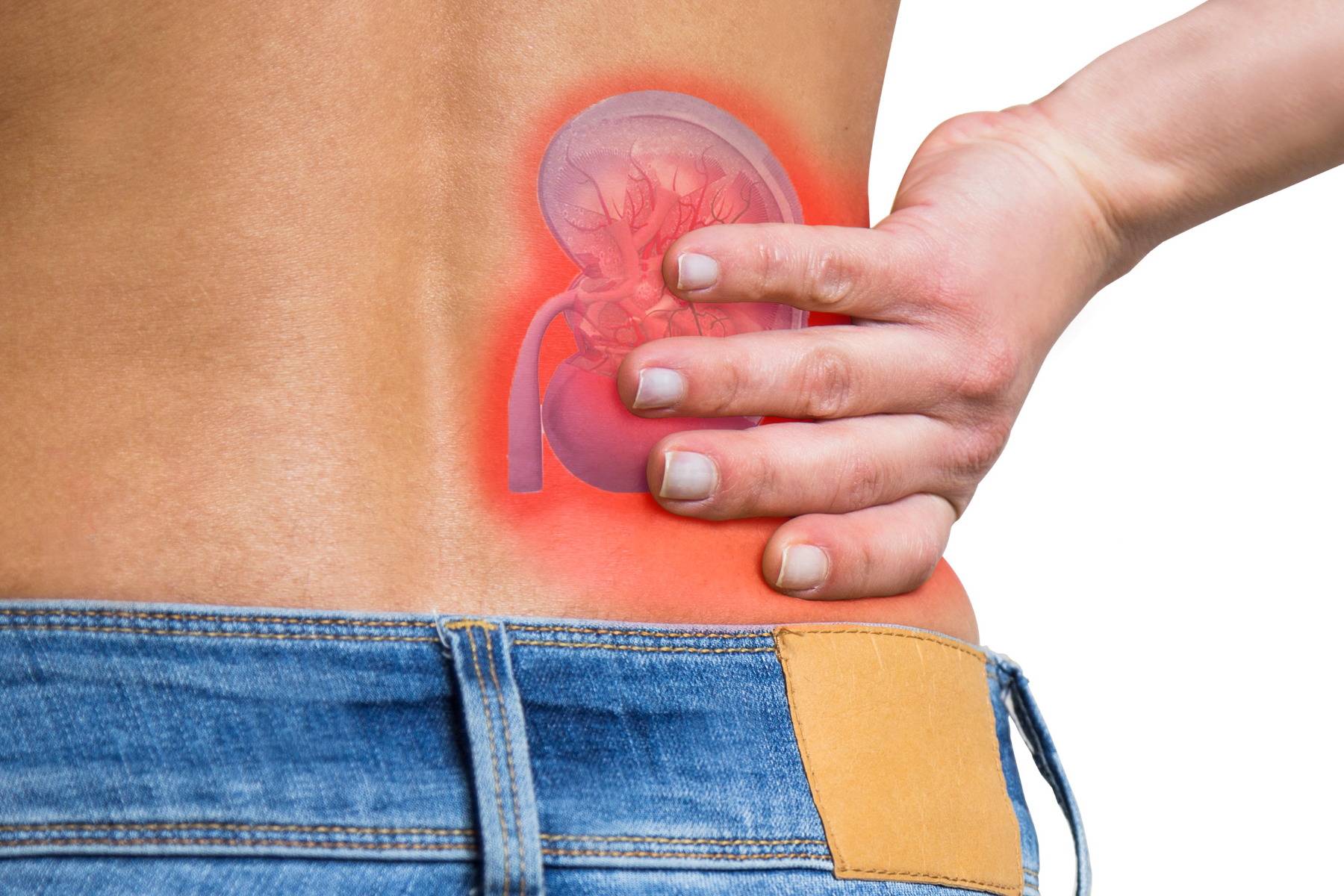
- Kidney problems: Nephritis
- Neurologic problems: seizures, strokes or psychosis (a mental health problem), confusion
There’s no single test that can confirm a Systemic Lupus Erythematosus (SLE) diagnosis, so rheumatologists rely on a combination of physical exams, blood tests, and sometimes biopsies (skin or kidney), along with a family history of autoimmune disease.
Revisan si hay artritis en varias articulaciones que persista durante más de 6 semanas y pueden buscar hinchazón o enrojecimiento, aunque estos no son necesarios para el diagnóstico. También consideran los síntomas comunes de la artritis autoinmune para descartar otras afecciones.
Blood tests are crucial for diagnosing lupus. Typical markers include
- low blood cell counts (anemia, low white blood cells, or platelets)
- a positive ANA
- specific antibodies like anti-dsDNA, anti-Sm, or antiphospholipid
Estos resultados anormales en los análisis de sangre suelen ser necesarios para el diagnóstico del lupus.
Doctors may also use a points system from the American College of Rheumatology (ACR) and European Alliance of Associations for Rheumatology (EULAR) to support their diagnosis.
- Envía TU consejo
- El lupus se presenta con mayor frecuencia en mujeres de entre 15 y 45 años de ascendencia negra, latina, asiática o de las islas del Pacífico.
- Lupus can affect many organs and all the symptoms may seem random, but symptom tracking is key in order to give the rheumatologist the most information possible in order to get further testing.
- Lupus patients have sunlight sensitivity and it is very important to wear sunscreen and protective clothing at all times even when it's not sunny.
- Lupus can also be diagnosed alongside other diseases, like Rheumatoid Arthritis (called Rhupus) and Sjogren's Disease.
- El síndrome de activación macrofágica (SAM), una complicación potencialmente mortal, puede presentarse hasta en el 5 % de los pacientes con LES. Visite nuestra página sobre el SAM para obtener más información, recursos e historias de pacientes.
- SLE, is also known as the “The Great Imitator” because the symptoms are often "imitating" other diseases.
- Lupus derives from the Latin word for wolf because doctors described the rashes on the face as resembling a wolf’s bite. The full name, systemic lupus erythematosus, includes “erythematosus,” which means “reddened,” referring to the characteristic butterfly rash.
- Día Mundial de la Artritis Autoinmune y Autoinflamatoria - 20 de mayo
- Mes de Concientización sobre las Enfermedades Autoinmunes - Marzo
- Mes de Concientización sobre el Lupus - Mayo
- Día Mundial del Lupus - 10 de mayo
- Mes de Concientización sobre las Enfermedades Reumáticas - Septiembre
- Mes de Concientización sobre el Dolor - Septiembre
- Día de Concientización sobre las Enfermedades Crónicas - 10 de julio
- Semana de las Discapacidades Invisibles - Tercera semana completa de octubre
In an effort to ensure this page has the most accurate and up-to-date information, this page is currently awaiting medical review. Some information is subject to change.
Page Last Updated: 10/24/2024