



Sarcoidosis
How to pronounce it: Sarcoidosis - saar-koy-doe-sis
AiArthritis defines Sarcoidosis as:
Sarcoidosis is an inflammatory disease characterized by the formation of sarcoid granulomas—tiny clumps of inflammatory cells—in one or more organs of the body. When the immune system goes into overdrive and too many of these clumps form, they can interfere with an organ’s structure and function. When left unchecked, chronic inflammation can lead to fibrosis, which is the permanent scarring of organ tissue. This disorder affects the lungs or lymph nodes in approximately 90% of cases, but it can affect almost any organ in the body.
Symptoms & Characteristics
Common in All AiArthritis Diseases
Flares: Periods of worsening symptoms are called flares. A flare can last for hours, days, weeks, or months.
Physical Activity: Condition improves with activity and exercise and worsens with rest.
Comorbidities: When inflammation is left uncontrolled due to lack of proper treatment, comorbidities can develop. 70% of patients with chronic, lifelong disease will develop comorbidities, including dual or triple diagnoses.
Family History:
Autoimmune diseases often run in families, indicating a potential genetic predisposition where that gene can cause disease. Autoinflammatory diseases can occur multiple times in a family, but is based off of genetic mutation. It is not a gene that causes the disease— but a mutation on the gene that can cause the disease which can then be passed on to the next generation.
"Auto" Symptoms
Fatiga: Fatiga o agotamiento severo que puede no aliviarse con cafeína o estimulantes y que puede presentarse incluso después de un largo período de descanso.
Disfunción cognitiva: Niebla mental o periodos de tiempo en los que el pensamiento se nubla y resulta difícil concentrarse.
Síntomas similares a los de la gripe: Sin tener gripe: náuseas, debilidad muscular y malestar general.
Fiebre: Por lo general, el grado es bajo en las enfermedades autoinmunes (con excepción de la artritis idiopática juvenil) y el grado es más alto en las autoinflamatorias (el porcentaje varía mucho según la enfermedad).
Referencia: Estudio sobre los primeros síntomas de la artritis inducida por adyuvante, AiArthritis, 2019.
Inflammatory Arthritis Symptoms
Stiffness: Severe stiffness in one or more joints, especially in the morning or after sitting for long periods of time.
Joint Pain: Episodes of joint pain that may last for hours, days, or even weeks, that can appear and disappear suddenly. Often described as “jumping pain” into different locations.
Typically the joint pain will coincide with one or more “Auto” symptoms and start and stop suddenly - for no apparent reason (which is called a "flare"). Some people will experience all of the above symptoms, others only a few.
If you have any of the arthritis features, and at least one of the “Auto” features, please consult your physician about a referral to a specialist.
Symptoms Often Associated with Sarcoidosis
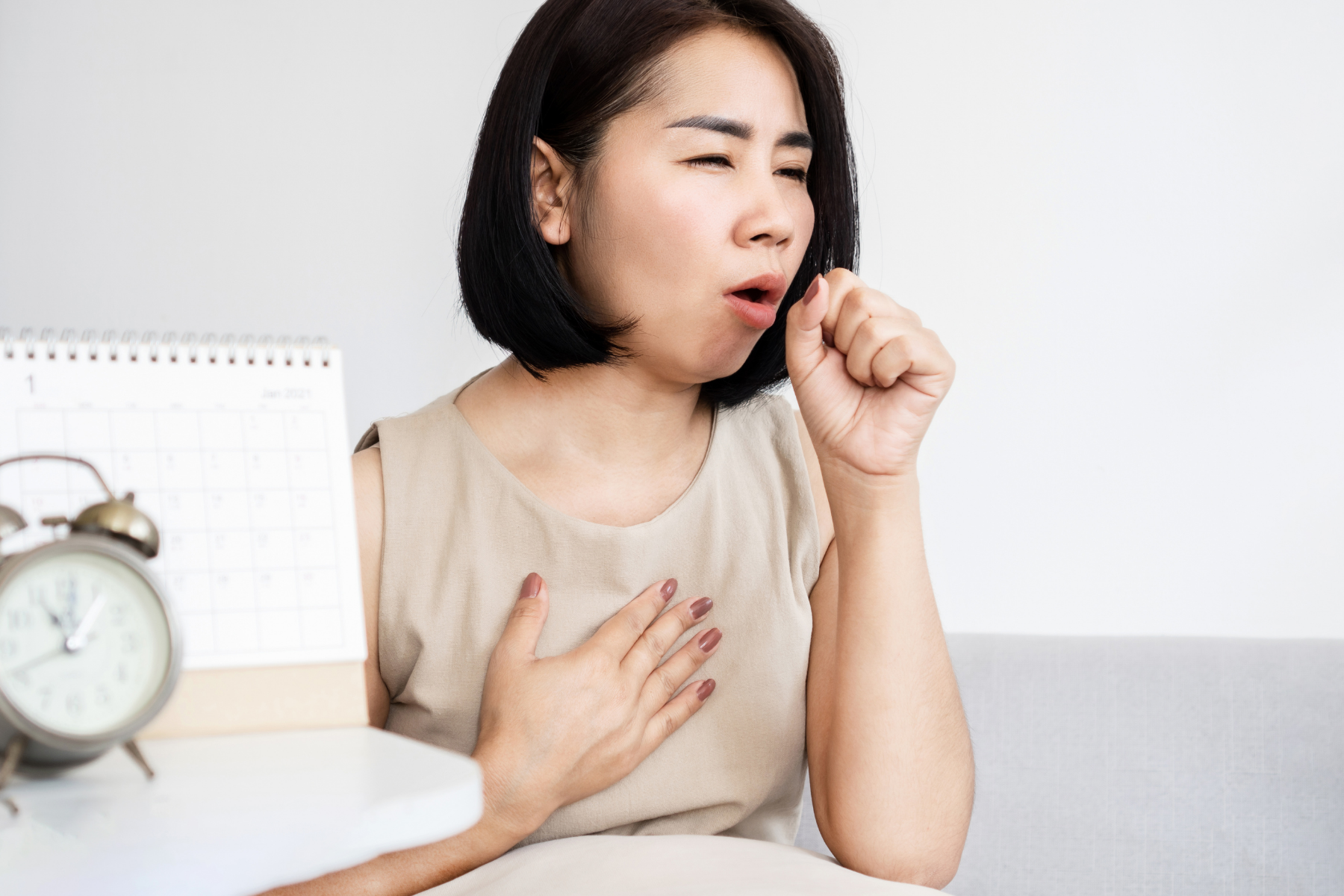
- Lung involvement: shortness of breath, wheezing, chronic cough
- Night sweats
- Irregular heart beat
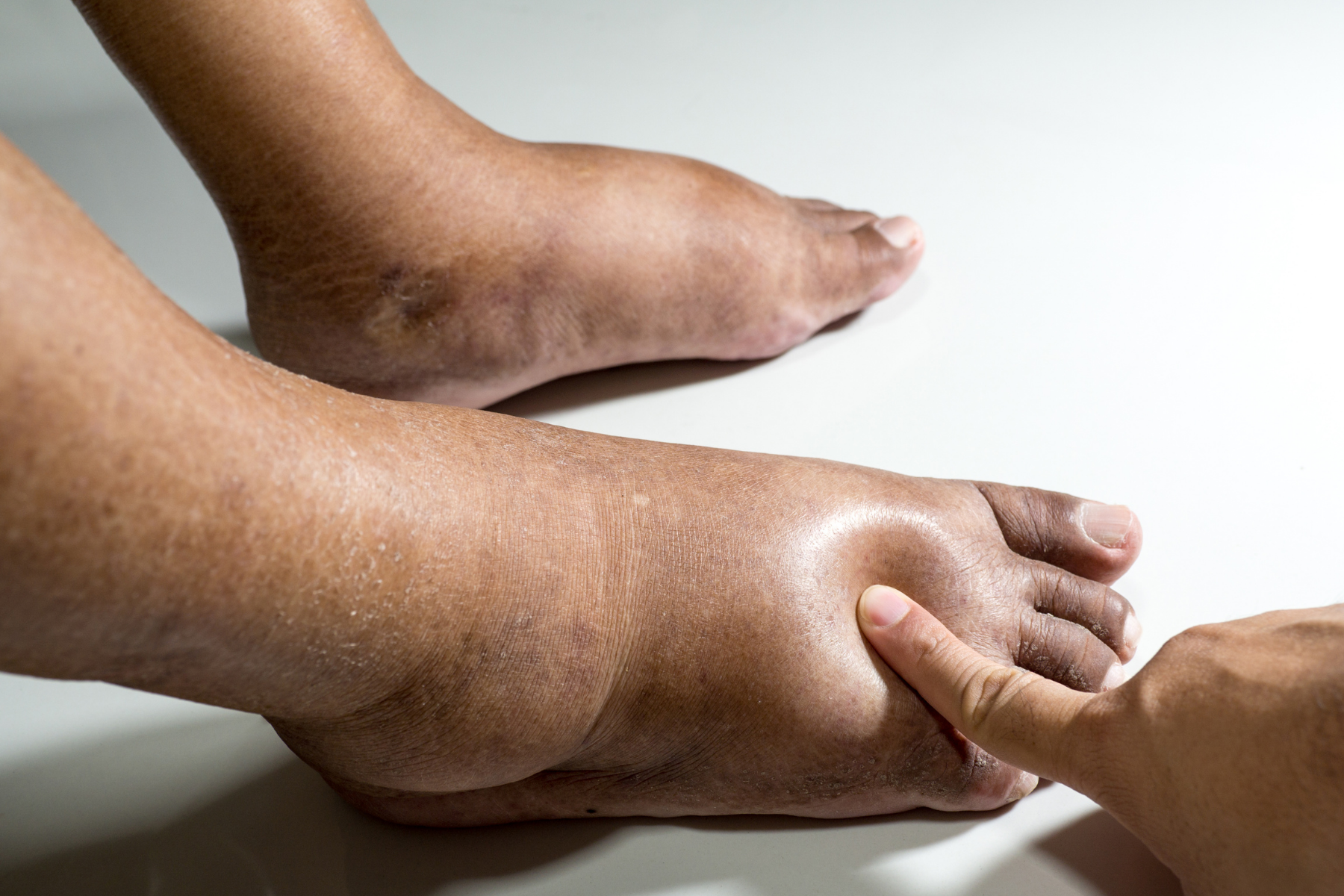
- Swollen legs
- Vision and eye issues (pain, redness, burning)
- Discoloration and rash
- Sensitivity to light
- Enlarged lymph nodes
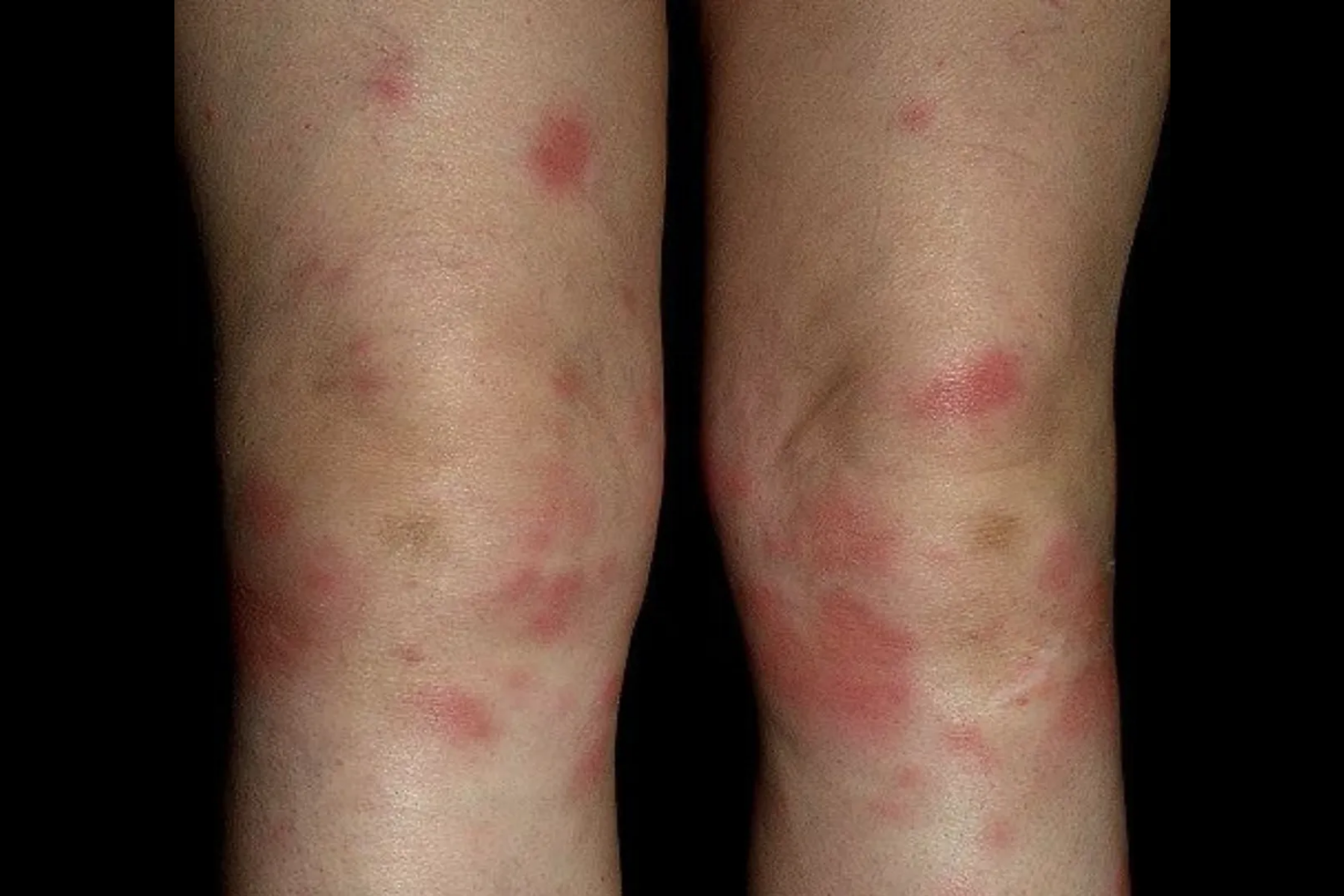
- Erythema nodosum:
raised, red, and tender bumps to form on the skin, usually on the front of the legs
There’s no single test that can confirm a sarcoidosis diagnosis, so rheumatologists use a combination of physical exams (including pulmonary function tests), blood tests, and imaging like chest CT scans or X-rays. Family history of autoimmune or autoinflammatory diseases is also considered.
For a more definitive diagnosis, a biopsy of the skin, lymph nodes, or lungs is often required to check for granulomas (a hallmark of sarcoidosis). A test called the Kveim-Siltzbach skin test can also be used, though it is not commonly used in the United States.
Si bien las guías del Colegio Americano de Reumatología (ACR) y de la Alianza Europea de Asociaciones de Reumatología (EULAR) no cuentan con un sistema de clasificación específico para la sarcoidosis, ofrecen recomendaciones para el manejo de la enfermedad, especialmente cuando coexiste con otras afecciones autoinmunes o inflamatorias. Estas guías destacan la importancia de la evaluación multisistémica y de los métodos diagnósticos adecuados, lo que garantiza que los síntomas se atribuyan correctamente a la sarcoidosis y no a otras afecciones similares.
- Envía TU consejo
- Sarcoidosis can affect anyone of any age, race, or other demographic., but it has a higher incidence among people of color, especially African American women.
- Sarcoidosis affects the lungs & lymph nodes in 90% of patients but can affect just about any organ or system
- La sarcoidosis, especialmente la sarcoidosis pulmonar, a menudo se diagnostica erróneamente como cáncer... pero esta enfermedad es mucho más que simplemente "no ser cáncer". Puede ser una afección crónica que cambia la vida, por lo que los pacientes necesitan empatía y apoyo.
- Es fundamental encontrar médicos (necesitará más de uno) que comprendan realmente esta enfermedad. Lo ideal es que estén dispuestos a comunicarse entre sí para ofrecer una atención multidisciplinaria para esta afección multisistémica.
- Sarcoidosis was first described in the late 19th century by dermatologist Jonathan Hutchinson. He reported a case of a patient with skin lesions, and later, doctors discovered that sarcoidosis could affect almost every organ, especially the lungs.
- Sarcoidosis is often referred to as a “snowflake disease” because no two cases are exactly alike. The disease can present with a wide range of symptoms and severity, making each patient’s experience unique.
- World Autoimmune and Autoinflammatory Arthritis Day - May 20th
- Sarcoidosis Awareness Month - April
- Autoinflammatory Awareness Month - August
- Rheumatic Disease Awareness Month - September
- Pain Awareness Month - September
- Chronic Disease Awareness Day - July 10th
- Invisible Disabilities Week - 3rd full week of October
- Foundation for Sarcoidosis Research
- Life and Breath Foundation
- Sarcoidosis Research Institute
- Arthritis Foundation
- Versus Arthritis
- Arthritis Society Canada
- Autoimmune Association
- Arthritis Australia
- Arthritis Research Canada
- American College of Rheumatology
- Rheumatology Research Foundation
- CreakyJoints
In an effort to ensure this page has the most accurate and up-to-date information, this page is currently awaiting medical review. Some information is subject to change.
Page Last Updated: 10/24/2024