



Tristeza por COVID: Está bien pedir ayuda
Full Episode #60
Air Date: April 4, 2021
This week, join your patient co-hosts Kelly Conway and Rick Phillips and special guest Heather Kenjorski, a licensed social worker, for a frank discussion about mental health, AiArthritis patients, and the COVID-19 pandemic.

On February 21, 2021 Kelly wrote a very poignant blog post titled “Not A Me Too Moment” where she spoke very openly about her battle with depression resulting from chronic illness and how the tragedies she has experienced during the pandemic have led to her depression being out of control at the current time. In response to this blog post, Rick shared that he too has been in treatment for many years for depression. They decided to get together and bring in a professional to discuss this topic in more detail for the benefit of all the people listening to the show who may also be experiencing depression, especially those who are not currently seeking help from the medical community for their struggles.
¡ESCUCHA EL EPISODIO Y LUEGO ÚNETE A LA CONVERSACIÓN!
(¡Desplázate hacia abajo para saber cómo!)



DOWNLOADABLE RESOURCE FROM THE SHOW:
Pull up your seat at the table
Now it's YOUR TURN to join the conversation!


What do you think about this episode?
We want to know what you think! By continuing the conversation with your opinions and perspectives - we all get a better understanding of the problems facing our community. Better yet, through these conversations we can start working and developing solutions.
We mean it when say 360. Not only do we want your input anytime and anywhere, but we also are eager to see where the conversation will take us. So please, "pull up a seat at the table" and let's start talking!
Email us at podcast@aiarthritis.org, message us on social media (find us by searching for @IFAiArthritis)
Continue the conversation in our own AiArthritis Voices 360 Talk Show Group!
Pull up a seat and join the conversation on the topic from today and past episodes. You may even get an opportunity to talk directly with the co-hosts and any episode guests!
The
AiArthritis Voices Program
Our AiArthritis Voices 360 Talk Show is just a piece of larger program - the AiArthritis Voices Program.
AiArthritis Voices is our program where people living with AiArthritis diseases and other stakeholders who we need 'at the table' to solve problems that impact education, advocacy, and research sign up to have a voice in our initiatives.
If you want to get more involved, and see more of the opportunities we have for you (and all stakeholders) please check out the
AiArthritis Voices Program. Unite with others around the world to talk, learn, and connect.
Patient Voices and All Other Stakeholders - Join our
AiArthritis Voices Program and Connect to Opportunities to Have Your Voice Counted!
If you are a patient, a parent of a juvenile patient, or any other stakeholder (doctor, nurse, researcher, industry representative, or other health services person) - are you ready to join the conversation? It's your turn to pull up a seat. Join our new AiArthritis Voices program, where people living with AiArthritis diseases and other stakeholders who we need 'at the table' to solve problems that impact education, advocacy, and research sign up to have a voice in our initiatives. By signing up, you’ll get notified of opportunities to be more involved with this show - including submitting post-episode comments and gaining insider information on future show topics. Patients and all other stakeholders are encouraged to join so we can match you with opportunities to pull up a seat and TOGETHER - as equals - solve the problems of today and tomorrow.
AiArthritis Voices 360 is produced by the International Foundation for Autoimmune and Autoinflammatory Arthritis. Visit us on the web at www.aiarthritis.org/talkshow. Find us on Twitter, Instagram, TikTok, or Facebook (@IFAiArthritis) or email us (podcast@aiarthritis.org).
Be sure to check out our top-rated show on Feedspot!
Notas del programa:
00:52 - Kelly da la bienvenida a los oyentes.
01:30 - Kelly está acompañada por su compañero paciente y coanfitrión, Rick Phillips, y la trabajadora social titulada, Heather Kenjorski.
3:03 - El tema de hoy es la depresión entre las personas que viven con enfermedades relacionadas con la artritis, especialmente durante la pandemia de COVID-19.
04:45 - El episodio de hoy se inspiró en la publicación del blog de Kelly titulada "No es un momento Me Too" en su blog. Mientras mis articulaciones se retuercen: Mi telenovela autoinmune.
07:10 - Rick quiere que la gente sepa que la medicación y la terapia psicológica pueden ayudar, y que no hay necesidad de sufrir en silencio.
07:15 - Heather, ¿has notado un aumento en el número de pacientes que sufren depresión desde el inicio de la pandemia?
07:40 - Muchos de los mecanismos de afrontamiento sugeridos para las personas que luchan contra la depresión y la ansiedad no son posibles durante la pandemia, lo que ha provocado un aumento del aislamiento y de los sentimientos de tristeza y desesperanza.
08:18 - Permanecer en casa y en cuarentena exacerbó los problemas preexistentes de depresión y ansiedad de las personas.
10:40 - Un estudio presentado en ACR 2020 reveló que algunos pacientes con lupus se sentían mejor emocionalmente al comienzo de la pandemia porque toda la comunidad estaba viviendo la vida como de costumbre (evitando gérmenes, recogida en la acera, etc.).
12:30 - Algunos pacientes con artritis inducida por adyuvante experimentaron un estrés emocional extremo al verse obligados a ir a trabajar durante la pandemia cuando sentían que era más seguro quedarse en casa.
16:04 - Heather, ¿cuáles son algunos de los signos y síntomas de la depresión?
16:31 - La gente es muy hábil para aparentar estar bien, así que no puedes fiarte de su apariencia externa.
16:52 - Los signos de depresión pueden ser la pérdida de interés en cosas que antes se disfrutaban, como actividades, comer o comunicarse con los demás.
17:18 - La pérdida repentina del apetito o comer mucho más de lo normal pueden ser signos de depresión.
17:39 - El cansancio o la falta de ganas de interactuar con la gente pueden ser una señal.
17:45 - Las personas deprimidas pueden descuidar su higiene personal, como vestirse, ducharse o cepillarse los dientes.
18:03 - Si no puedes ilusionarte con las cosas o te sientes desesperanzado, eso podría ser un signo de depresión.
18:44 - La ira también puede ser un síntoma de depresión.
19:46 - La depresión no es un signo de debilidad, y la vida mejora después del tratamiento.
22:30 - Algunos centros de terapia están completos en este momento porque muchas personas están buscando ayuda para su salud mental.
23:11 - Heather, ¿crees que a la gente le cuesta admitir que necesita ayuda?
23:40 - Sin duda, todavía existe un estigma asociado a recibir terapia, y es una pena porque impide que la gente obtenga la ayuda que necesita.
25:02 - Es valiente buscar terapia y abordar tus problemas.
25:10 - Permanecer en un estado mental miserable no es fortaleza.
29:36 - Los cuidadores a menudo experimentan depresión grave y tienen vías limitadas para obtener apoyo emocional fuera de la terapia.
30:29 - Heather, ¿tienes alguna otra herramienta (además de la medicina y la terapia verbal) que te resulte útil para ayudar a las personas que luchan contra la depresión?
31:06 - El autocuidado es clave para todos, y es algo que la gente no necesariamente sabe hacer muy bien.
32:11 - Escribir un diario es una excelente manera de conectar con tus propios sentimientos.
33:02 - La meditación, los ejercicios de respiración profunda y el movimiento físico son aspectos importantes del autocuidado.
37:49 - Cuanto más intentan las personas evitar sus propios pensamientos negativos, más poderosos se vuelven esos pensamientos, por lo que aprender a meditar y estar presente con los propios pensamientos, incluso si no son pensamientos cómodos, puede ser muy importante para el bienestar mental.
39:03 - Puede ser útil recordar que la depresión no es un estado permanente; voluntad fin.
40:14 - La enfermedad crónica no es el fin del mundo, pero sí es una forma diferente de vivir en el mundo.
42:30 - ¿Cómo podemos ayudar a nuestra comunidad a identificar cuándo pueden necesitar ayuda o a encontrar ayuda para las personas que no pueden costearse la asistencia en salud mental?
43:07 - Muchas comunidades ofrecen asistencia a personas que no pueden costearse una terapia privada, pero es necesario contactar con los defensores de la salud mental locales, la sociedad de salud mental, los servicios familiares, los hospitales locales o incluso los médicos privados y preguntar qué opciones hay disponibles en su zona.
45:08 - Ahora se ofrecen citas virtuales debido a la pandemia, lo que ha abierto muchas puertas para las personas que carecían de transporte para acudir a sus citas.
49:51 - Danos un "Me gusta" o envíanos un mensaje en las redes sociales @IFAiArthritis en todas las plataformas para mantenerte informado y participar, o escríbenos a podcast@aiarthritis.org
50:33 - Encuentra todos nuestros episodios en nuestro sitio web en aiarthrits.org/talkshow
51:08 - Puedes contactar con Rick en info@RADiabetes.com o seguir los blogs de Rick en espondilitis anquilosante.net y artritis reumatoide.net
51:49 - Por favor, participe en la conversación continua en aiarthrisvoices.org.
52:03 - Kelly agradece a sus compañeros presentadores y a los oyentes.
Sus coanfitriones e invitados: ¿Quiénes están en la mesa en este episodio?
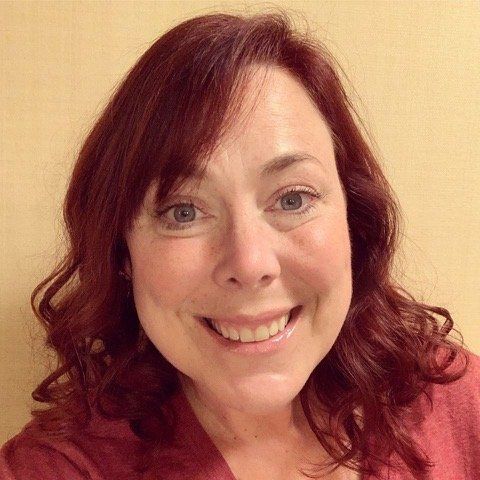
Kelly Conway
Kelly is a speech-language pathologist, author/blogger, and a patient advocate. She has been living with autoimmune arthritis since age 14 but wasn’t formally diagnosed until age 32. That diagnosis has changed more than 5 times over the past 18 years. Through social media, she connected with fellow patients and co-founded the International Foundation for Autoimmune and Autoinflammatory Arthritis. She has represented her state of Pennsylvania on Capitol Hill for the American College of Rheumatology multiples times, and speaks of the patient perspective at medical/pharmaceutical conferences. Kelly believes in the power of the patient voice and sharing our stories to raise awareness, education, and advocacy.
Website: “As My Joints Turn: My Autoimmune Soap Opera” at
www.asmyjointsturn.com Facebook and Twitter: @lolabellaquin
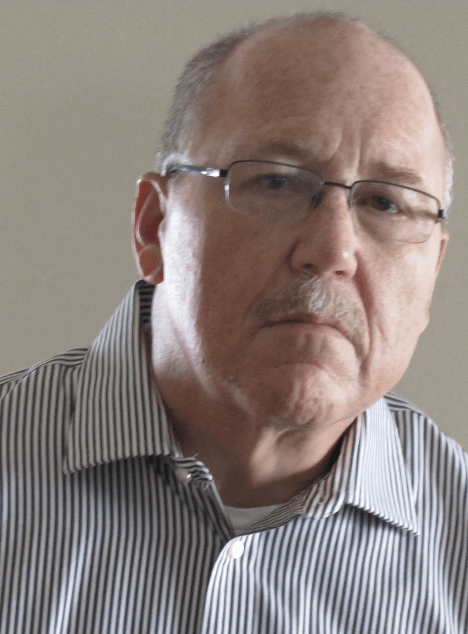
Rick Phillips
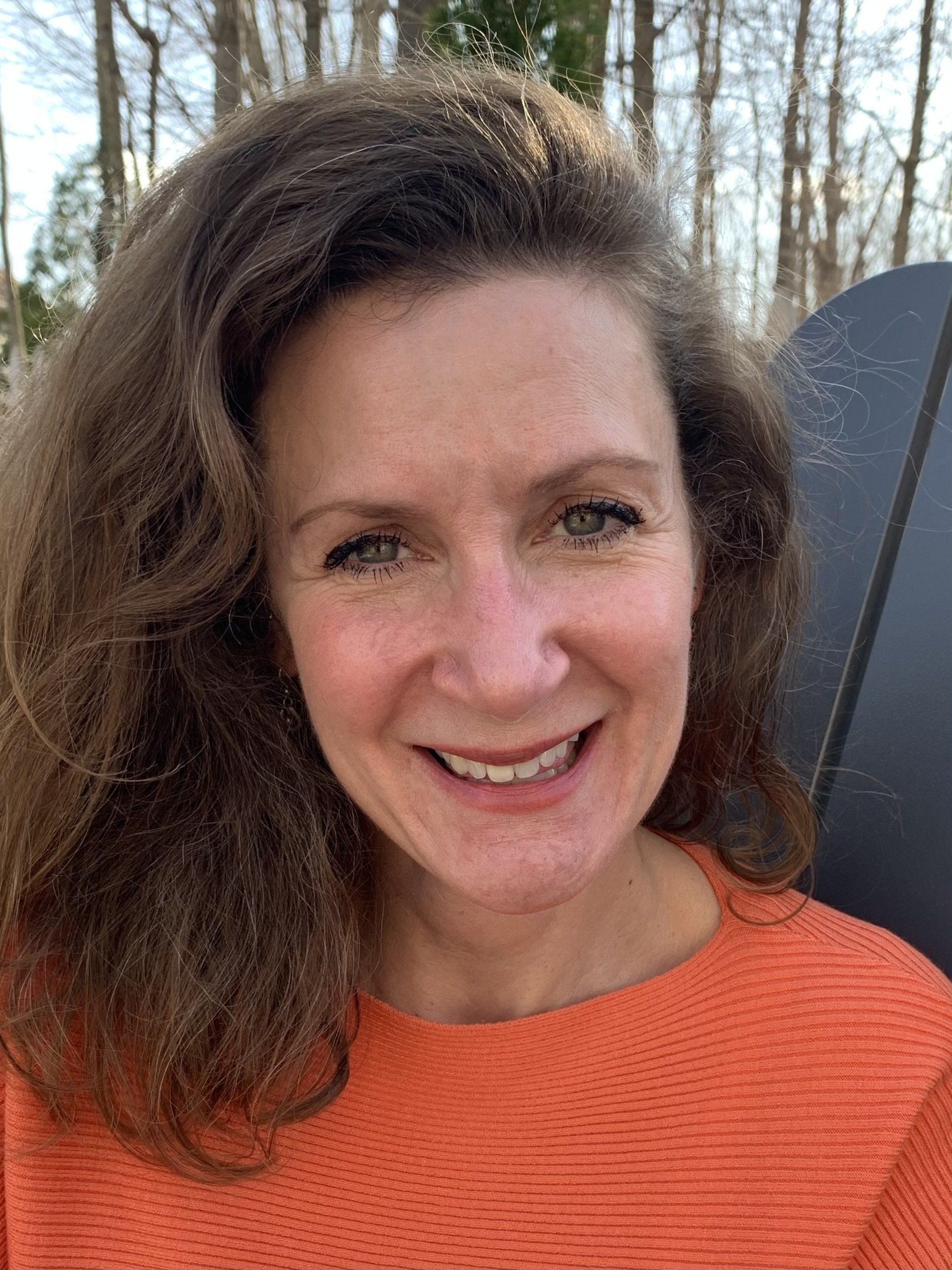
Heather Kenjorski
Heather Kenjorski earned her Master of Social Work degree from Chicago State University and is a Licensed Clinical Social Worker practicing in Indianapolis. Heather has experience working with adults with a wide range of behavioral health concerns in the community mental health, hospital and correctional settings. Practicing from a predominately psychodynamic perspective, Heather also incorporates mindfulness and meditation practice, Dialectical Behavior Therapy, and Acceptance and Commitment Therapy into her approach when working with clients to navigate such issues as depression, anxiety, OCD, chronic pain and illness, PTSD and personality pathology. Heather places a strong emphasis on the mind-body connection when helping clients to cope with physical health issues and their relationship to past trauma. She believes that self-acceptance and compassion toward self are essential components for good mental health and being able to cope with life’s challenges, and that these concepts can be taught and cultivated at any point in the life cycle. Heather lives in Indianapolis with her husband and 7-year-old daughter, and loves spending time eating with friends and family, swimming, and driving to northern Michigan and Mackinac Island every summer.


Love the show? Help us make sure we stay on the air by making a donation.
Your contribution helps us continue the work we do every day to improve the lives of millions worldwide.