



Young and Invisible
Ser un menor con una enfermedad crónica invisible
AiArthritis Voices 360 Episodio completo 65
Fecha de emisión: 5 de septiembre de 2021
In this episode, Katie and Deb - both persons living with AiArthritis diseases - discuss being a young person suffering from a chronic illness. This episode discusses the challenges of being "Young and Invisible". From what being a "juveillive" may mean - and the age range that term can cover. To being younger and dealing with being in pain while managing a chronic illness you and your parents/caregivers are still trying to figure out for themselves.

LISTEN TO THE EPISODE THEN BE SURE TO TAKE A SEAT AT THE TABLE BY JOINING THE CONVERSATION!
(Scroll down the page to learn how!)



Notas del programa
00:53 - Katie da la bienvenida a los oyentes.
01:16 - El tema de hoy trata sobre ser joven y recibir un diagnóstico de una enfermedad invisible, así como la importancia de diferenciar entre los distintos tipos de artritis autoinmune.
01:31 - Katie está acompañada por Deb, una copresentadora habitual a quien le diagnosticaron artritis reumatoide a los 15 años.
02:05 - A Katie también le diagnosticaron artritis idiopática juvenil (AIJ).
02:52 - Tanto Katie como Deb fueron tratadas por un reumatólogo de adultos porque los reumatólogos pediátricos son muy escasos, si es que existen, en su comunidad.
03:20 - Deb y Katie comparten sus respectivas historias de diagnóstico.
09:56 - Puede resultar difícil para los jóvenes obtener apoyo de sus compañeros porque la mayoría de la gente asume que la artritis solo afecta a las personas mayores.
11:07 - A veces, los amigos dejan de invitar a los pacientes a participar en actividades porque no comprenden las limitaciones físicas de las personas con AIArthritis.
12:25 - A los pacientes con artritis juvenil les puede resultar difícil continuar con las actividades que antes disfrutaban debido al dolor y la fatiga.
14:48 - Queremos escuchar la opinión de nuestros oyentes: Si le diagnosticaron esta enfermedad cuando era joven, ¿sigue utilizando el mismo diagnóstico?
15:12 - El Día de Concienciación sobre la Enfermedad de Still se acerca.
15:24 - La enfermedad de Still es en realidad un término general que abarca la artritis idiopática juvenil sistémica y la enfermedad de Still del adulto (la diferencia radica en si el diagnóstico se realizó antes o después de los 16 años).
17:55 - A Katie le diagnosticaron artritis reumatoide juvenil, pero desde que es adulta generalmente se refiere a su enfermedad simplemente como artritis reumatoide o artritis.
19:27 - Obtener un diagnóstico preciso puede llevar muchos años porque los médicos no creen al paciente o los síntomas no son obvios o los síntomas no coinciden fácilmente con ningún diagnóstico específico.
24:01 - La intervención temprana es fundamental para que el paciente logre la remisión, por lo que identificar las herramientas de detección adecuadas y asegurarse de que todos los pacientes con AIArthritis las reciban es muy importante.
25:56 - Especialmente en niños muy pequeños, la perseverancia de los padres es fundamental para obtener un diagnóstico preciso y una intervención temprana.
29:37 - Los pacientes que viven con enfermedades de AIArthritis a veces sienten que solo están esperando a que su condición empeore.
30:06 - Los nuevos medicamentos para la artritis inducida por adyuvante que llegan al mercado ofrecen esperanza de mejoría para todos los pacientes.
33:16 - Con respecto al cambio de medicamentos, las cirugías o cualquier otra decisión terapéutica, es importante que el paciente esté emocionalmente preparado para proceder.
35:50 - La toma de decisiones compartida entre pacientes y reumatólogos ayuda a garantizar que los pacientes se sientan cómodos con las opciones terapéuticas que se toman para su atención.
37:22 - Para continuar esta conversación, únete a nosotros en el grupo de Facebook del programa de entrevistas.
37:28 - También puedes encontrarnos en todas las plataformas de redes sociales como @IFAiArthritis.
38:43 - También puedes encontrar cualquiera de nuestros episodios de podcast anteriores en aiarthritis.org/talkshow o en cualquier plataforma de podcasts.
39:04 - O envíenos un mensaje a través de las redes sociales o envíenos un correo electrónico a podcast@aiarthritis.org.
No te pierdas nuestro programa mejor valorado en Feedspot¡
Pull up your seat at the table
Now it's YOUR TURN to join the conversation!


What do you think about this episode?
We want to know what you think! By continuing the conversation with your opinions and perspectives - we all get a better understanding of the problems facing our community. Better yet, through these conversations we can start working and developing solutions.
We mean it when say 360. Not only do we want your input anytime and anywhere, but we also are eager to see where the conversation will take us. So please, "pull up a seat at the table" and let's start talking!
Email us at podcast@aiarthritis.org, message us on social media (find us by searching for @IFAiArthritis)
Continue the conversation in our own AiArthritis Voices 360 Talk Show Group!
Pull up a seat and join the conversation on the topic from today and past episodes. You may even get an opportunity to talk directly with the co-hosts and any episode guests!
The AiArthritis Voices Program
Our AiArthritis Voices 360 Talk Show is just a piece of larger program - the AiArthritis Voices Program.
AiArthritis Voices is our program where people living with AiArthritis diseases and other stakeholders who we need 'at the table' to solve problems that impact education, advocacy, and research sign up to have a voice in our initiatives.
If you want to get more involved, and see more of the opportunities we have for you (and all stakeholders) please check out the AiArthritis Voices Program. Unite with others around the world to talk, learn, and connect.
Sus coanfitriones e invitados: ¿Quiénes están en la mesa en este episodio?
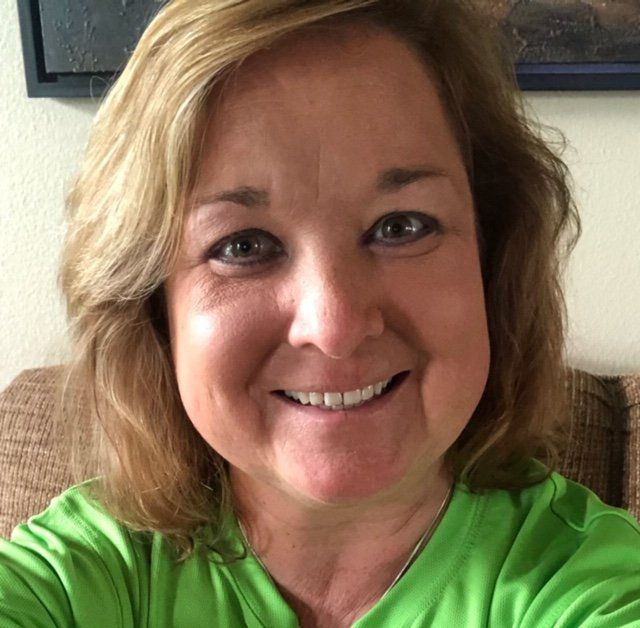
Deb Constien
Deb has been living with Rheumatoid Arthritis for three decades and while she has experienced disability from it, she never lets her disease dominate how powerful her voice can be.
She has been a key Representative (high level volunteer) for our organization for several years and often takes a leadership role in many programs and mission initiatives, including attending meetings as the voice of the organization. She is also a Platinum Ambassador at the Arthritis Foundation, as well as various other nonprofits, and has formerly and currently used her voice as a Patient Research Partner (Wisconsin Research and Education Network (WREN), OMERACT, Arthritis Power through CreakyJoints and more). She has represented her state of Wisconsin on Capitol Hill and at a local multiples times, and most recently was a key player in helping to pass step therapy legislation in her state.

Katie Simons
Diagnosed with Juvenile Rheumatoid Arthritis (now called Juvenile Idiopathic Arthritis) at age 12 and recently found a new home at AiArthritis as Senior Program & Communications Manager. She earned a Masters of Public Administration, nonprofit management concentration, from Oakland University in Rochester, Michigan.

Love the show? Help us make sure we stay on the air by making a donation.
Your contribution helps us continue the work we do every day to improve the lives of millions worldwide.